
Sports Injury Rehabilitation in Burnside Heights: Return to Sport & Activity
If you play sport, exercise regularly or simply enjoy staying active, an injury can affect much more than your ability to move without pain. It can interrupt training, reduce confidence and leave you unsure when it is safe to return to the activities you enjoy.
Sports injury rehabilitation in Burnside Heights focuses on more than pain relief. The goal is to progressively restore movement, strength, capacity and confidence so you can work towards returning to the activities that matter to you.
Whether you are dealing with a muscle strain, shoulder injury, knee pain or persistent back or neck symptoms, structured rehabilitation can help you move from injury towards activity.
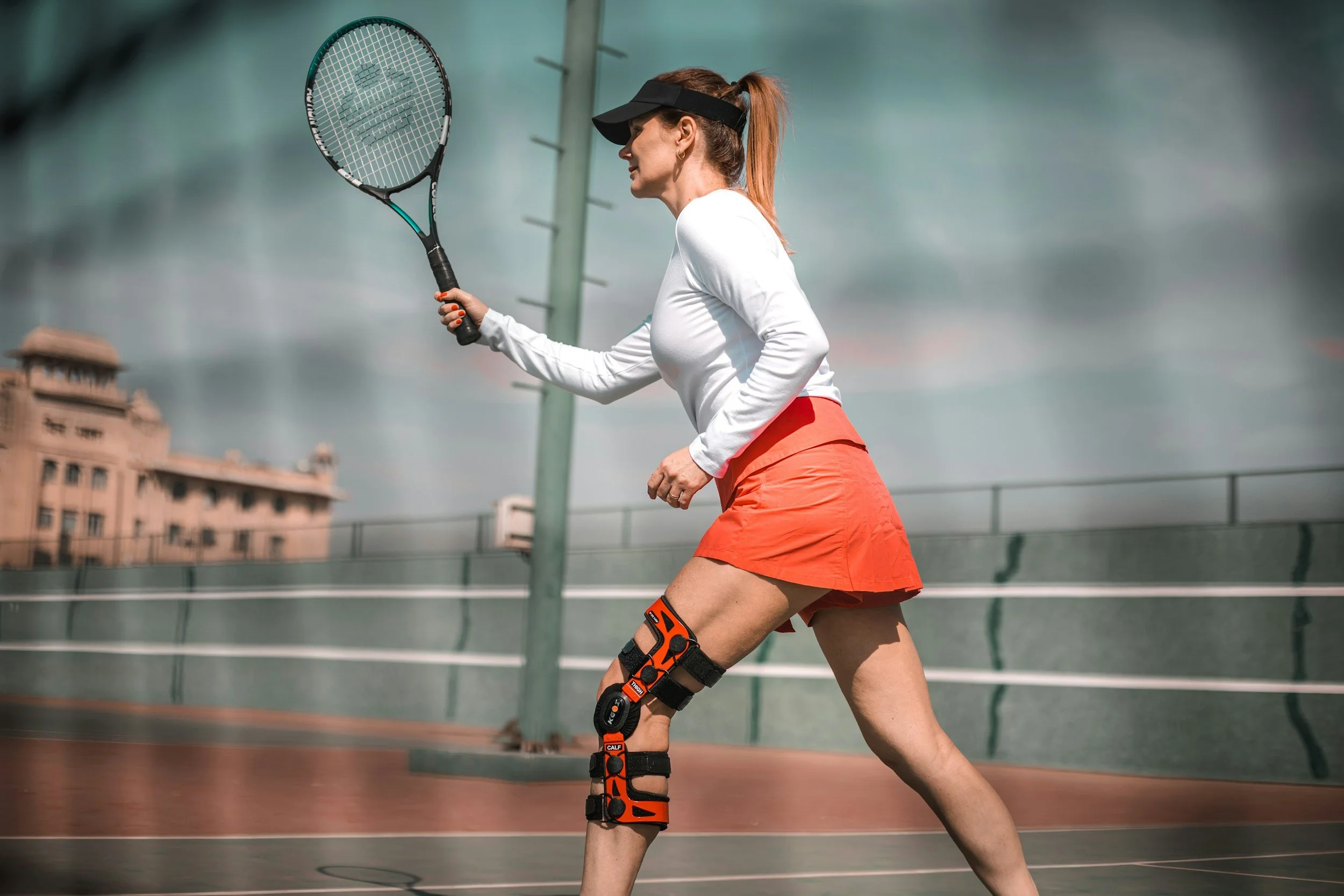
What Is Sports Injury Rehabilitation?
Sports injury rehabilitation is a structured process designed to restore physical abilities affected by an injury and prepare you for progressively greater activity.
Good sports rehabilitation should be based on your injury, current capacity, activity and goals. A recreational runner, footballer, tennis player and gym-goer will each have different physical demands and rehabilitation requirements.
A typical rehabilitation approach may include:
Assessment of your symptoms, movement, strength and activity demands
Treatment to address pain or relevant movement restrictions
Restoring movement and physical function
Building strength and physical capacity
Progressive loading
Gradual return to training and activity
Rehabilitation is not always a straight line. Your program can be adjusted according to how your body responds as activity increases.
For a broader look at how treatment and exercise can work together, see our guide to how integrated care can combine chiropractic, osteopathy and rehabilitation.
What Happens During a Sports Injury Assessment?
Before deciding what treatment or exercises you need, an assessment can help establish what is happening, what is currently limiting you and what you want to get back to doing.
Depending on your situation, an assessment may consider:
Where your symptoms are located
How and when they started
Previous injuries or episodes of pain
Your movement and physical abilities
Strength and current capacity
Work and daily activity demands
Training volume and sporting requirements
What activities you want to return to
For example, someone with lower back pain who wants to return to weight training may have different rehabilitation requirements from a runner recovering from a calf strain.
This is why a personalised rehabilitation plan should be based on your actual goals rather than a generic list of exercises. If you want to understand what the first appointment may involve, you can also read what to expect during your first allied health assessment.
Common Sports-Related Problems We Help Manage
Sports injuries can develop suddenly or gradually as training demands increase. An assessment can help identify factors contributing to your symptoms and determine whether rehabilitation is appropriate.
1. Lower Back Pain, Sciatica and Disc-Related Symptoms
Lower back pain can affect runners, gym-goers, cyclists, field-sport athletes and people whose work involves lifting or repetitive physical tasks.
Symptoms may develop following lifting, twisting, repetitive loading or changes in training. Some people may also experience symptoms associated with sciatica or a disc bulge.
Rehabilitation may focus on comfortable movement, strength, control and gradually rebuilding tolerance to the movements required for your work, exercise or sport.
The goal is not simply to make your back feel better for a few days. Where appropriate, rehabilitation can help you progressively rebuild the physical capacity needed for the activities you want to return to.

2. Neck Pain, Headaches and Wry Neck
Neck pain can interfere with lifting, swimming, cycling, gym training, contact sports and other activities. Some people may experience neck strain alongside headaches, stiffness or a wry neck, while others may develop symptoms from repetitive work, prolonged computer use or sporting activity.
Depending on the assessment, rehabilitation may address neck and upper-body movement, strength, coordination and the physical demands of your sport or daily activities.
Persistent, recurrent or concerning symptoms should be professionally assessed.
3. Muscle Strains
Hamstring, calf, quadriceps and groin strains are common among active people. Being able to walk comfortably does not necessarily mean the affected muscle is ready for sprinting, jumping or rapid changes of direction.
Sports injury rehabilitation can gradually progress from early movement and loading towards strengthening, conditioning and sport-specific activity.
4. Shoulder Injuries
Shoulder problems can affect swimming, tennis, throwing sports, weight training and other activities involving repeated overhead movement.
Rehabilitation may focus on shoulder mobility, strength, coordination and progressively increasing load tolerance.
The right approach depends on the type of shoulder problem and the demands you need to return to. Rather than choosing treatment based only on the location of pain, an assessment can help determine what your shoulder needs to tolerate again.
5. Knee Injuries
Knee pain can affect running, jumping, squatting, lunging, cycling and change-of-direction activities.
Rehabilitation may address lower-limb strength, mobility, balance, movement control and tolerance to progressively greater loads.
For significant injuries or post-operative rehabilitation, progression should be based on the injury and appropriate clinical milestones rather than an arbitrary return date.
6. Tendon-Related Problems
Tendon-related problems can affect areas such as the Achilles tendon, patellar tendon, elbow and shoulder.
Appropriately dosed loading can form an important part of rehabilitation. The exercises and progression should be matched to your symptoms, current capacity and activity demands.
Why Treating Pain Is Only Part of Recovery
Pain reduction can be an important part of recovery, but feeling better does not always mean you have regained the capacity required for your sport.
A runner may be able to walk without pain but struggle with repeated running. A footballer may be able to jog but not yet tolerate sprinting and direction changes. A gym-goer may manage daily activities but still lack the capacity for heavier lifting.
This is why effective injury rehabilitation in Burnside Heights should consider function as well as symptoms.
Your rehabilitation may look at:
Movement
Strength
Endurance
Load tolerance
Coordination
Sport-specific movements
Confidence with activity
The goal is to progressively rebuild the abilities you need rather than simply waiting for symptoms to disappear. This approach is also discussed in our guide to what a good integrated rehabilitation program looks like.
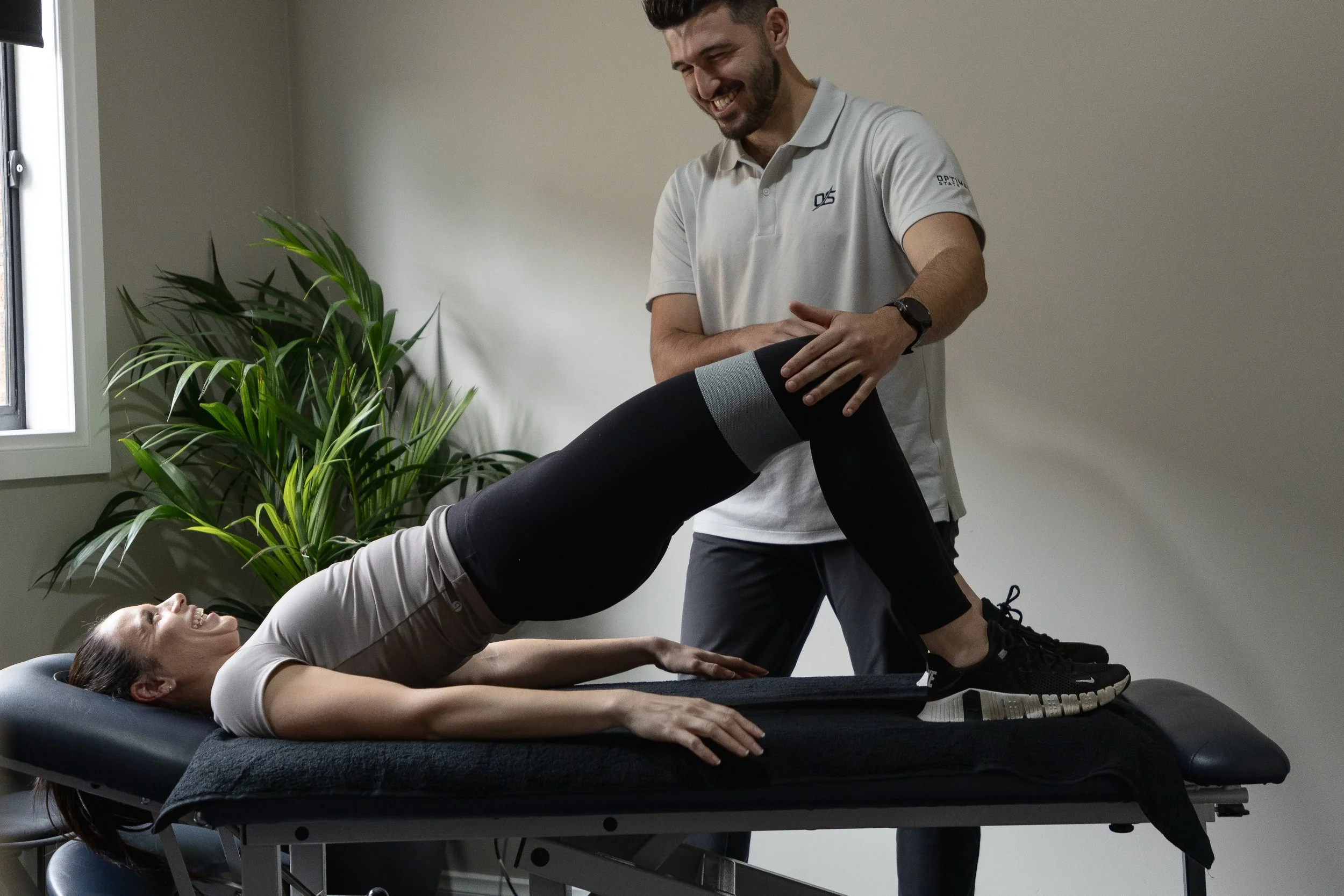
How Direct Treatment Can Fit Into Sports Rehabilitation
A direct, structural approach may help address relevant musculoskeletal restrictions or manage symptoms, allowing you to participate more comfortably in rehabilitation exercises.
However, hands-on treatment does not necessarily need to be the entire rehabilitation process.
For someone wanting to return to sport, treatment can be combined with progressively challenging movement and exercise. You may begin with lower-level exercises before progressing into strengthening, more demanding movements and sport-specific activities.
This creates a clearer pathway from symptom management to active rehabilitation and eventually back to training and sport.
Where different areas of care are appropriate, they should have a clear purpose rather than adding treatment simply for the sake of having multiple services. You can read more about how chiropractic, osteopathy and rehabilitation can work together within an integrated approach.
From Rehabilitation Exercises Back to Training
Rehabilitation exercises are often an important step, but they are not necessarily the final stage of recovery.
You may be able to perform controlled exercises without being ready for a full training session. The next stage is gradually exposing your body to more realistic demands.
This may involve increasing:
Resistance
Repetitions
Training volume
Running distance
Running speed
Jumping
Changes of direction
Sport-specific movements
A structured progression can help bridge the gap between rehabilitation exercises and the demands of your normal training. For a more detailed explanation, read how to progress from rehabilitation exercises back to training.
Returning to Sport
Returning to sport means preparing your body for the actual demands of your activity.
The later stages of rehabilitation should increasingly resemble your sport. A footballer may need to tolerate acceleration, deceleration, kicking and direction changes. A runner may need to rebuild running distance and pace. A tennis player may need to tolerate serving, reaching and rotation.
This is why sport-specific rehabilitation is important. Your return-to-sport pathway may consider:
Strength
Movement quality
Conditioning
Sport-specific tolerance
Training load
Confidence
Your response to increased activity
Returning to sport is a gradual process rather than simply being classified as “ready” or “not ready.”
For a deeper look at what should be included in this stage, see what a good return-to-sport rehabilitation program should include.
How Do You Know When You Are Ready to Return to Sport?
Being pain-free is useful, but it is not always the only consideration when deciding whether you are ready to return to sport.
Depending on the injury, you may also need to demonstrate that you can tolerate the movements, strength requirements and training demands associated with your activity.
For example, a footballer may need to progress through running, acceleration, deceleration and direction changes before returning to unrestricted play. A runner may need to rebuild distance and pace. A tennis player may need to tolerate repeated serving, reaching and rotation.
Your readiness should be considered in relation to your specific injury and sporting demands.
If you want to explore this in more detail, read how to know when you're ready to return to sport after an injury.
When to Seek Professional Assessment
Consider professional assessment if an injury is affecting your ability to train, exercise or participate in normal activities, particularly when symptoms are persistent, worsening or repeatedly returning.
Assessment can also help if you are unsure whether you are ready to increase training or return to sport.
Prompt medical assessment is important following significant trauma or suspected fracture or dislocation, or if you experience severe symptoms, major swelling, significant weakness, numbness or substantial loss of function.
You also do not necessarily need to wait until your symptoms become severe. If pain keeps returning, movement remains limited or an injury is preventing you from doing activities you value, an assessment can help clarify the next step.
If you are unsure whether you need one type of allied health service or a more coordinated approach, our guide to when you should consider integrated allied health care can help explain the factors to consider.
Sports Injury Rehabilitation in Burnside Heights
For people living in Burnside Heights and nearby suburbs such as Delahey, Ravenhall and Caroline Springs, rehabilitation may need to fit around work, family commitments, training and everyday life.
The right rehabilitation approach should therefore be practical as well as clinically appropriate.
At Optimal State, rehabilitation is part of a broader approach that combines direct, structural care with targeted exercise rehabilitation. The clinic describes its rehabilitation service as helping people restore movement, strength and confidence while progressing towards work, sport and daily activities.
The goal is not to recommend more treatment than you need. It is to establish what is appropriate for your situation and build a clear pathway towards the activities you want to resume.
Book a Sports Injury Assessment
You do not necessarily need to wait until an injury completely stops you from being active before seeking professional help. An assessment can provide a clearer understanding of your symptoms, current capacity and appropriate next steps.
Whether you want to return to running around Burnside Heights, get back to the gym, resume recreational sport or rebuild confidence after an injury, structured rehabilitation can help you work towards your goal.
Book a sports injury assessment in Burnside Heights and take the next step towards rebuilding movement, strength, capacity and confidence.
Optimal State provides chiropractic, osteopathy and rehabilitation services from its Burnside Heights clinic and serves surrounding western Melbourne suburbs.
Frequently Asked Questions
-
Recovery time varies according to the injury, severity, current capacity and sport demands. Rehabilitation progresses according to symptoms, function and readiness rather than a fixed timeframe.
-
Often, appropriate exercise can form an important part of recovery. The type and amount should match your current capacity and gradually progress as your symptoms and function improve.
-
Not necessarily. The appropriate approach depends on your assessment and goals. Hands-on treatment may be useful for some people, while exercise and progressive loading may form a larger part of rehabilitation for others.
-
Yes. Rehabilitation should reflect your injury, current physical capacity, work and activity demands and the activities you want to return to. A runner, tradesperson and gym-goer may require different progressions even when their symptoms are similar.
-
Your readiness depends on factors such as your current symptoms, function, strength, training tolerance and the specific demands of your sport. A gradual increase in training can help you assess how your body responds.
-
Rehabilitation can examine factors such as strength, movement, training load and capacity that may contribute to recurring symptoms, then progressively address relevant limitations where appropriate.
-
No. Sports injury treatment can be appropriate for recreational athletes, gym-goers, runners and anyone wanting to return to physical activity after an injury or period of reduced capacity.
-
A local assessment can help determine an appropriate rehabilitation pathway based on your injury, activity level and goals. Optimal State is located in Burnside Heights and provides rehabilitation alongside chiropractic and osteopathy services.