
When Should You Consider Integrated Allied Health Care?
You have persistent pain. You have tried resting, changing your routine, or waiting for it to settle. Yet the problem keeps coming back.
Maybe you are unsure which practitioner you need. You may also wonder whether seeing more than one health professional is necessary.
Integrated allied health care combines different areas of musculoskeletal care when they are clinically appropriate, allowing assessment, treatment, rehabilitation and education to work toward the same goal. It can be useful when pain, movement restrictions, reduced strength or activity limitations cannot be addressed effectively through a single focus.
The right approach still starts with an assessment. You do not need several practitioners simply because you have ongoing pain.
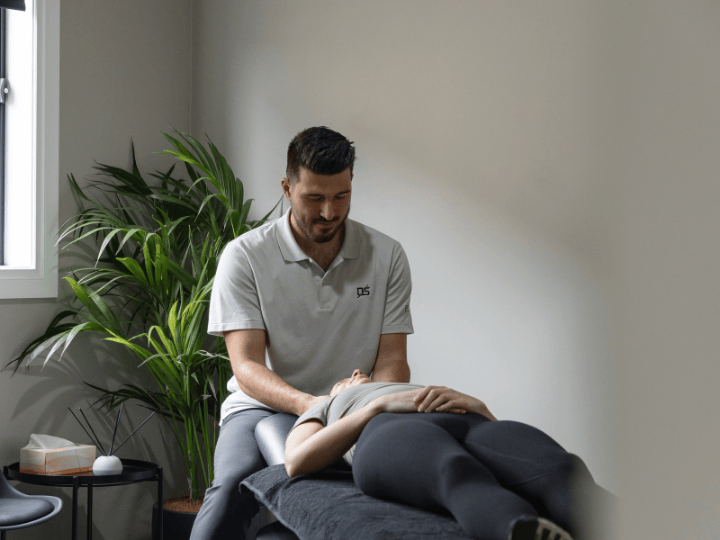
When One Type of Care May Not Address the Whole Problem
Some problems are straightforward and respond well to a focused approach. Others involve several factors at once.
For example, you may have back pain that affects how you walk, work, exercise or sleep. Addressing the painful area may help, but you may also need to work on movement patterns, strength and physical capacity.
A more coordinated approach may be useful when you have:
Persistent or recurring symptoms
An injury that keeps returning
Difficulty getting back to normal activities
Restricted movement
Muscle weakness or reduced physical capacity
Pain that affects work, sport or daily tasks
Difficulty returning to previous levels of activity
This does not mean you automatically need multiple forms of allied health treatment. Your practitioner can assess your needs and identify whether additional support would add value.
For a broader explanation of how chiropractic, osteopathy and rehabilitation can fit together, see our guide to chiropractic, osteopathy & rehabilitation.
Signs You May Benefit From a More Structured Treatment Plan
1. Pain keeps returning
Pain that settles and then returns can be frustrating.
Recurring symptoms may be influenced by movement habits, physical demands, strength, workload or an injury that has not fully recovered. An assessment can help identify factors that may need attention.
A structured plan may then combine hands-on care, movement work, exercise or changes to your daily activities. The goal is not necessarily to create a long treatment plan. It is to identify what needs attention and progress your care as your symptoms and physical capacity change.
2. Movement remains restricted
You may notice that turning your neck, bending, reaching, walking or lifting still feels difficult. Restricted movement can affect how you perform everyday tasks. It can also change how you move around an affected area.
Your plan may focus on restoring comfortable movement while building the physical capacity needed for your usual activities. This may include hands-on treatment alongside targeted mobility and strengthening exercises.
3. You can't return to sport
Getting out of pain is not always the same as being ready for sport.
Running, jumping, lifting, changing direction and other activities place different demands on the body. You may need progressive exercises to rebuild strength, coordination, confidence and tolerance for those demands.
A good rehabilitation plan should gradually bridge the gap between feeling better and being ready to train again. For a deeper look at this process, see our guide to return-to-sport rehabilitation: what should a good program include?
If you are unsure whether you are ready to resume your usual activity, our guide on how do you know when you're ready to return to sport after an injury? can also help explain the factors that should be considered.
4. Symptoms affect work
Work can place repeated demands on your body.
Long periods at a desk, manual handling, standing, driving or repetitive movements may contribute to ongoing discomfort. Your care plan may need to consider how your symptoms interact with your working routine.
For example, a desk worker may need to address movement and physical capacity alongside changes to their working habits. A tradesperson or warehouse worker may need a rehabilitation plan that considers lifting, carrying and repetitive physical tasks.
Practical changes can sometimes sit alongside hands-on care and exercise.
5. You have recovered from the initial injury but remain limited
An injury may settle while some physical limitations remain.
You might still have reduced strength, stiffness or hesitation when using the affected area. Rehabilitation can focus on rebuilding your ability to perform the tasks you need.
The goal is not simply to focus on the original injury. It is to consider what you need your body to do now. This is where a progressive rehabilitation approach can be particularly useful.
Common Presentations We See
People seek integrated allied health support for many musculoskeletal and movement-related concerns.
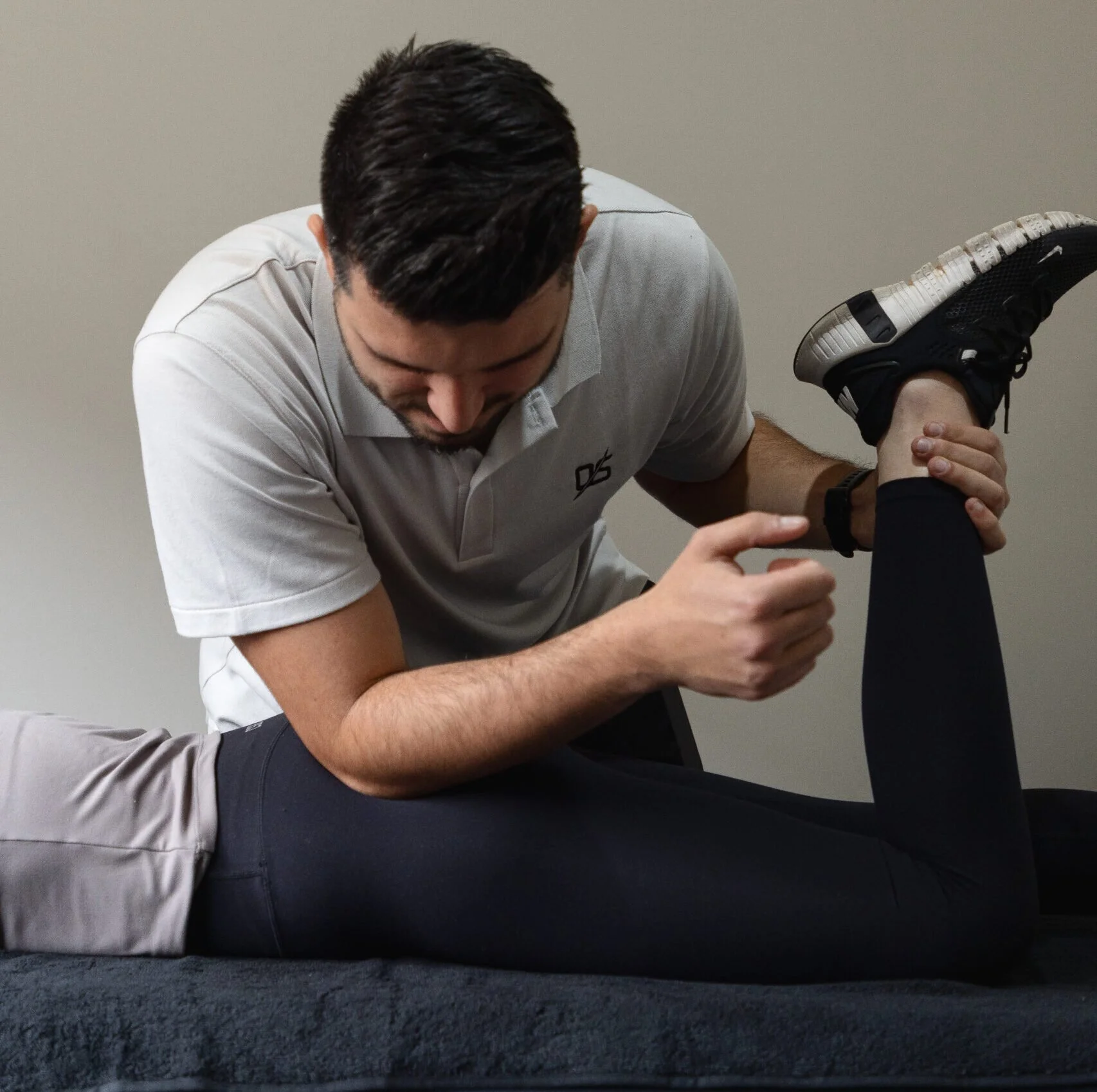
Common examples include:
Lower back pain
Sciatica
Disc-related back pain
Neck pain
Headaches
Wry neck
Postural strain
Sports injuries
Recurring muscle or joint injuries
Reduced strength or physical capacity
These problems can look similar at first but may require different approaches.
For instance, someone with lower back pain may need a different plan from an athlete recovering from a knee injury. Even two people with similar symptoms can have different contributing factors.
Practitioners may consider your symptoms, movement, medical history, activity levels, work demands and goals before recommending the next step.
If you are unsure which service may be appropriate, an assessment can help determine whether focused chiropractic or osteopathy care, rehabilitation, or a coordinated approach is suitable.
What Should You Expect From an Integrated Rehabilitation Plan?
An integrated rehabilitation plan should be individualised rather than based on a fixed sequence that everyone follows.
The exact approach depends on your condition, goals and response to treatment. However, a plan may progress through several stages.
Assessment and goal setting. The first step is understanding your current abilities and what you want to achieve. Your goal might be returning to work, lifting comfortably, running again, getting back to the gym or simply managing everyday activities without limitation.
Early treatment and movement work. Depending on your presentation, hands-on treatment and targeted movement work may be used to address specific limitations. The purpose is to help you move toward the next stage of recovery rather than relying on treatment indefinitely.
Strength and capacity building. As symptoms settle and movement improves, rehabilitation can place greater emphasis on strength, stability, coordination and physical capacity. The exercises should reflect the demands you eventually need to handle.
Progression toward normal activity. The final stages of rehabilitation should increasingly resemble your normal activities. For an athlete, this may involve sport-specific movements and progressive loading. For a tradesperson, it may involve lifting, carrying or other work-related tasks.
Progress reviews and adjustments. Your plan may need to change if symptoms improve faster than expected, if a particular exercise is not appropriate, or if your work or training demands change. The aim is to adjust the plan according to your progress rather than keeping you on the same program indefinitely.
Integrated Care for Work, Sport and Everyday Activity
Integrated allied health care is not only about reducing symptoms.
For many people, the real goal is getting back to something specific.
That might be:
Returning to work after an injury
Playing weekend sport
Running regularly
Returning to the gym
Lifting at work
Keeping up with family activities
Walking without restriction
Staying physically active as you get older
The treatment approach should reflect that goal.
For example, a recreational runner may need to rebuild running tolerance after an injury. A tradesperson may need to regain strength and capacity for repeated lifting. An office worker may need to improve movement and physical capacity after developing recurring neck discomfort.
The final stage of rehabilitation should therefore prepare you for the activities you actually want to perform.
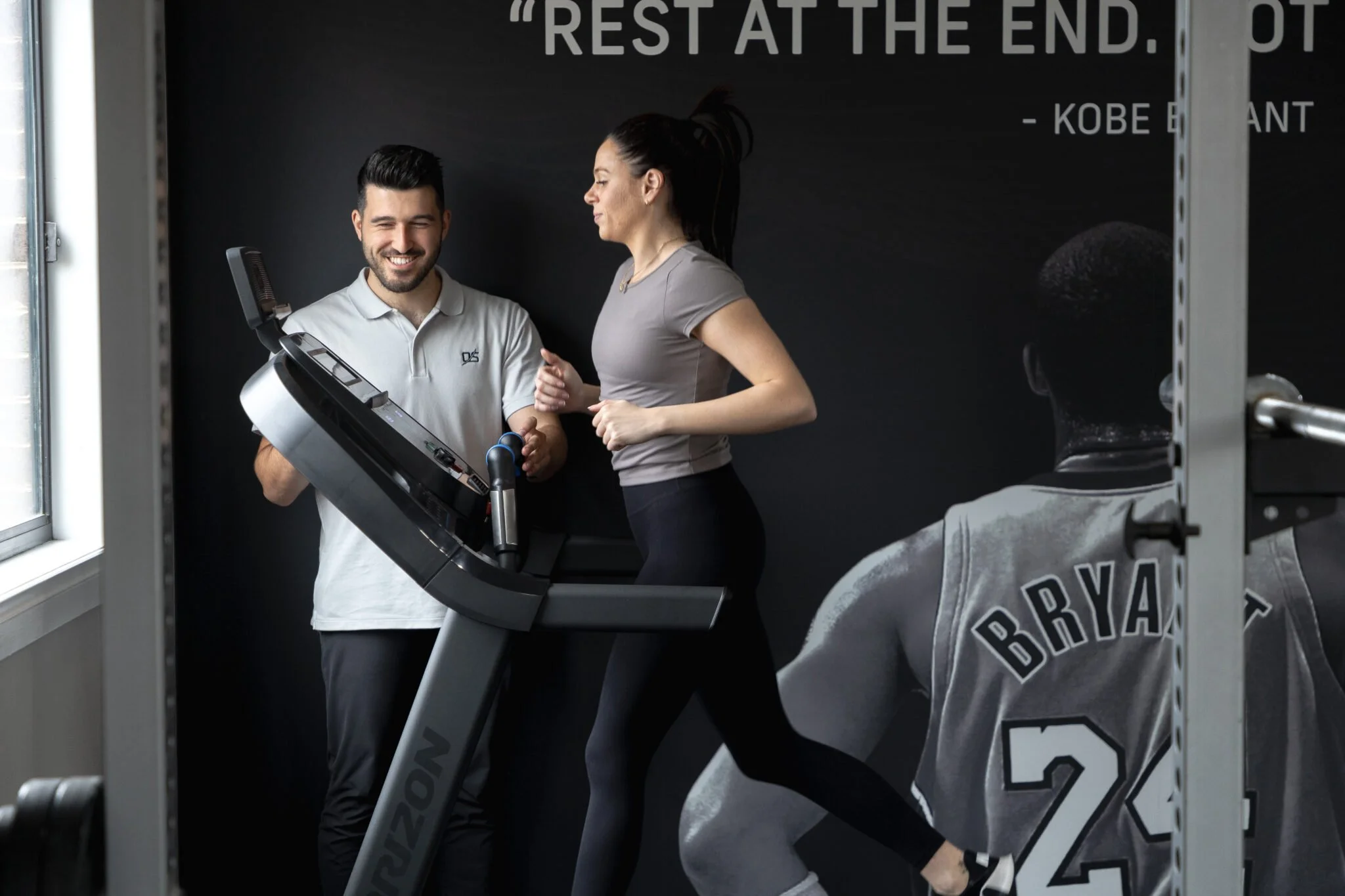
Can Integrated Allied Health Help With Sports Injuries?
It can be useful when a sports injury involves more than short-term pain or when you need a structured path back to activity.
Sports rehabilitation may involve:
Restoring comfortable movement
Rebuilding strength
Improving coordination
Progressively loading the injured area
Reintroducing sport-specific movements
Monitoring symptoms during training
Gradually increasing training demands
The exact approach depends on the injury and the individual.
For people in Burnside Heights and surrounding western Melbourne suburbs, the focus should remain on matching treatment and rehabilitation to the activity you want to return to.
You can also read sports injury rehabilitation in Burnside Heights for a more detailed look at the rehabilitation process.
Integrated Allied Health in Burnside Heights
Optimal State provides chiropractic, osteopathy and rehabilitation services from its clinic in Burnside Heights, supporting people from Burnside Heights and surrounding western Melbourne suburbs.
The clinic's approach is centred on musculoskeletal care, movement, rehabilitation and helping people stay active in work, life and sport.
If you are unsure whether you need chiropractic care, osteopathy, rehabilitation or a combination, you do not need to decide before your appointment.
An assessment can help determine the most appropriate starting point.
For a broader overview of the local service and how the different areas of care fit together, read this guide next.
Book an Assessment
You do not need to work out the entire care plan yourself.
If pain keeps returning, movement remains limited, or an injury is stopping you from doing the things you enjoy, an assessment can help clarify your options.
Ask questions about what may be contributing to your symptoms, what you want to return to and what type of care may suit those goals.
Integrated allied health care works best when every part of the plan has a clear purpose. Whether you need a single service or coordinated support, the starting point should be an individual assessment.
Frequently Asked Questions
-
Not necessarily. Your needs determine the appropriate level of care, and a single practitioner may be enough for some concerns.
A coordinated approach may be considered when different aspects of your recovery require different skills, such as hands-on treatment combined with progressive rehabilitation.
-
No. It can also support people recovering from injuries, returning to sport or dealing with movement limitations that affect work and daily activities. The important factor is whether a coordinated approach is appropriate for your individual needs.
-
Not automatically.
A single practitioner may be all you need for a straightforward problem. A multidisciplinary approach may be useful when different areas of care have a clear role in your recovery. The aim should be appropriate care rather than involving more practitioners simply because they are available.
-
They can be coordinated when both areas are appropriate for your needs.
For example, hands-on care may address particular movement or musculoskeletal concerns while rehabilitation focuses on strength, capacity and progression toward activity. The plan should be based on an assessment and your specific goals.
-
Exercise rehabilitation may be useful when you need to rebuild strength, mobility, coordination or physical capacity after an injury or period of reduced activity.
It can also be appropriate when your goal is to return to sport, work, gym training or another physically demanding activity.
-
Start with an assessment rather than trying to diagnose the problem yourself. A qualified practitioner can discuss your symptoms, movement, previous injuries, physical demands and goals before recommending an appropriate next step.
-
It can be useful when a sports injury requires a structured progression back to activity.
Rehabilitation may include strength work, progressive loading, movement retraining and sport-specific exercises, with treatment adjusted according to your progress.
-
Yes. A good rehabilitation plan should be responsive to your progress.
As movement, strength and activity tolerance improve, the focus may shift from symptom management toward strengthening, loading, sport-specific activity and greater independence.