
What Should You Expect During Your First Allied Health Assessment?
Starting with a new health professional can feel uncertain. You may have pain, stiffness, weakness, or an old injury that still affects your routine. You may also wonder what will happen during your first appointment.
Your first allied health assessment is usually about understanding your symptoms, physical function and goals before deciding what treatment or rehabilitation may be appropriate. It is not simply a quick check of where you feel pain.
Your practitioner may look at how your symptoms affect movement, work, exercise, sport and everyday activities. From there, they can discuss the findings with you and recommend practical next steps based on your presentation and goals.
At Optimal State, assessment, treatment and rehabilitation can work together rather than being treated as completely separate stages. This can be particularly useful when an injury affects your ability to work, exercise, play sport or manage everyday activities.
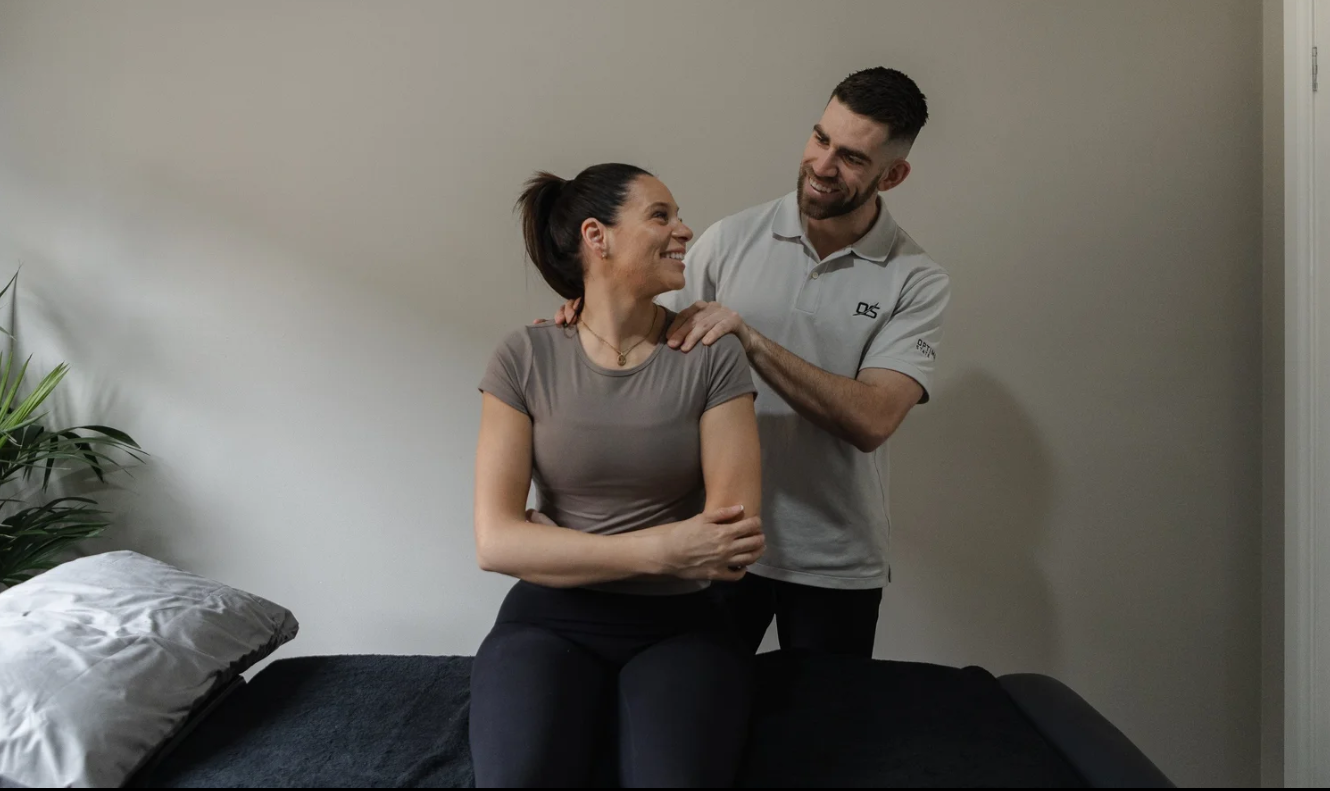
How to Prepare for Your First Allied Health Assessment
A little preparation can make your first appointment more useful.
You do not need to know the medical name for your problem. Simply describe what you have noticed and how it affects you.
It can help to remember:
When your symptoms started
Where you feel discomfort or restriction
What makes your symptoms worse
What seems to ease them
Any previous injuries
Previous treatment or care you have received
Your work demands
Your exercise or sporting activities
Activities you currently find difficult
What you would like to get back to doing
For example, someone who works at a desk may notice neck or upper-body symptoms after several hours of sitting. A tradesperson may have difficulty with lifting, bending or repetitive tasks. An athlete may notice symptoms during running, lifting, jumping or changing direction.
These details give your practitioner useful context before the physical assessment begins.
If your main concern is an ongoing injury, it may also help to understand what an integrated rehabilitation program can look like, particularly when treatment needs to progress beyond the initial stage of pain management.
What Happens During Your First Allied Health Assessment?
Your first appointment will usually include a discussion about your symptoms and goals, followed by an assessment that is relevant to your presentation.
The exact process depends on your symptoms, history and the type of practitioner you see. There is no single physical test that applies to everyone.
Discussing Your Symptoms, History and Goals
Your first allied health consultation usually starts with a conversation.
Your practitioner may ask about your current symptoms, when they started and how they affect your routine. They may also ask about previous injuries, treatment, exercise, work demands and what you want to achieve from care.
The focus can extend beyond pain.
You might want to:
Return to work comfortably
Resume training
Get back to playing sport
Move more freely
Improve strength
Manage everyday activities
Return to a hobby or activity
Build confidence after an injury
Your goals can shape the assessment.
Someone who wants to return to running may need different functional considerations from someone who mainly wants to manage everyday movement. Likewise, someone recovering from a workplace injury may need an assessment that considers lifting, prolonged standing, repetitive movements or other physical demands.
This is one reason continuity of care during rehabilitation can be useful. When the practitioner understands your original presentation and your goals, later decisions can be based on how your function has changed rather than treating every appointment as a completely separate problem.
What Does a Physical Allied Health Assessment Include?
After discussing your concerns, your practitioner may carry out a musculoskeletal or functional assessment.
Depending on your presentation, this may involve looking at:
Movement
Range of motion
Strength
Joint function
Spinal function
Balance
Coordination
Functional tasks
Relevant physical or movement patterns
The assessment should be relevant to the problem you have presented with rather than simply following a generic checklist.
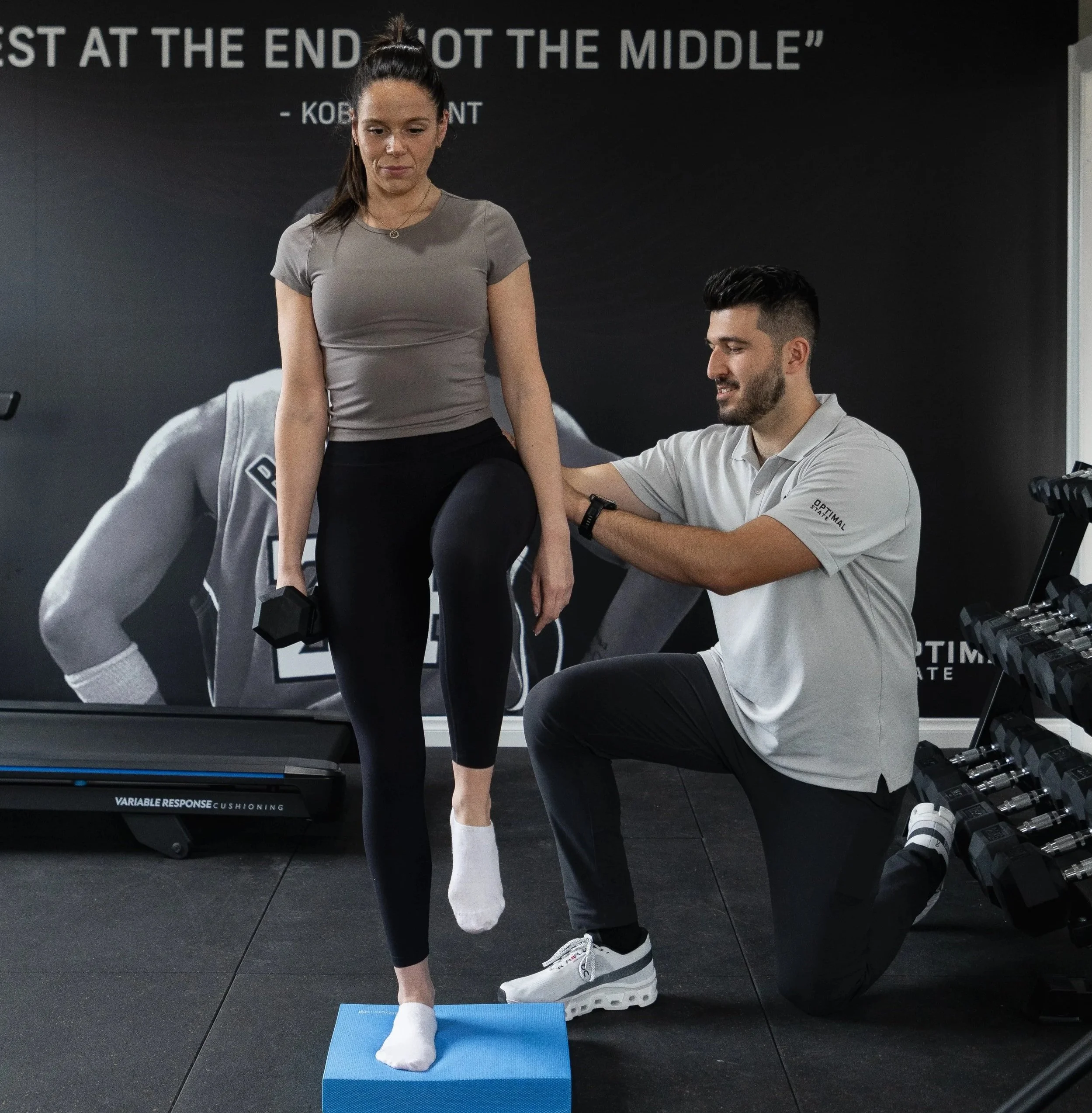
Movement Assessment
You may be asked to walk, bend, reach, squat, rotate or perform another movement related to your concerns.
The aim is to understand how you move during relevant tasks and whether particular movements are restricted, uncomfortable or difficult to perform.
For someone with a sports injury, this could involve movements related to their sport or training. For someone experiencing workplace strain, the assessment may focus on movements that relate more closely to their job.
Range of Motion
Your practitioner may assess how far a joint or body region can move.
They may compare movement between sides or look for movements that feel restricted or reproduce your symptoms.
Range of motion is only one part of an assessment. It is considered alongside your symptoms, strength, function and other relevant findings.
Strength
Strength testing can show how different muscle groups perform during specific movements.
This may be particularly relevant after an injury, during rehabilitation or when weakness affects everyday activities.
As rehabilitation progresses, strength can also become a useful measure of whether you are ready to increase physical demands.
Joint or Spinal Function
Depending on your symptoms and practitioner, the assessment may include relevant joints or areas of the spine.
The practitioner may assess movement quality and physical findings that relate to your concerns.
A chiropractic assessment may include relevant spinal and musculoskeletal function, while an osteopathy assessment may consider movement and related musculoskeletal structures. The exact approach varies between practitioners and depends on your presentation.
Optimal State's current service information describes its osteopathy approach as hands-on and structural, while its rehabilitation service combines direct treatment with targeted exercise rehabilitation.
What Treatment Options Might Be Discussed?
Once your assessment is complete, your practitioner can discuss suitable care options based on your presentation, goals and findings.
Depending on your needs, your plan may include a combination of hands-on care, exercise rehabilitation, education and activity guidance.
This is where integrated care can become relevant. If you are interested in how chiropractic, osteopathy and rehabilitation can work together, Chiropractic, Osteopathy & Rehabilitation: How Integrated Care Works can provide more context.
1. Hands-On Treatment
Some allied health professionals use hands-on techniques as part of care for musculoskeletal concerns. The specific techniques depend on the practitioner, your presentation and their professional scope.
At Optimal State, the current rehabilitation service describes a combination of direct structural treatment and targeted exercise rehabilitation.
2. Exercise and Rehabilitation
Exercise may form part of your plan if you need to improve strength, mobility, balance, coordination or physical capacity.
Exercises should match your current ability and goals rather than simply being a collection of generic movements.
For someone returning to sport, exercises may become progressively more demanding as function improves. Someone recovering from a workplace injury may instead need exercises that build capacity for lifting, standing, carrying or other job-specific demands.
If rehabilitation is part of your plan, what does an integrated rehabilitation programme look like? can help explain how different stages of rehabilitation may fit together.
3. Education and Activity Guidance
Understanding your symptoms can help you make informed decisions about daily activities.
Your practitioner may discuss movement strategies, exercise technique, physical loads or temporary changes to work and training. These recommendations should reflect your individual situation rather than follow a generic set of rules.
4. Progress Reviews
Rehabilitation is not necessarily a straight line. Your practitioner may review how you are progressing by considering factors such as:
Symptoms
Movement
Strength
Physical capacity
Work activities
Sporting activities
Everyday function
Your ability to complete prescribed exercises
The plan can then be adjusted when appropriate.
This approach is consistent with Optimal State's rehabilitation service, which describes monitoring progress and adjusting programmes as needed.
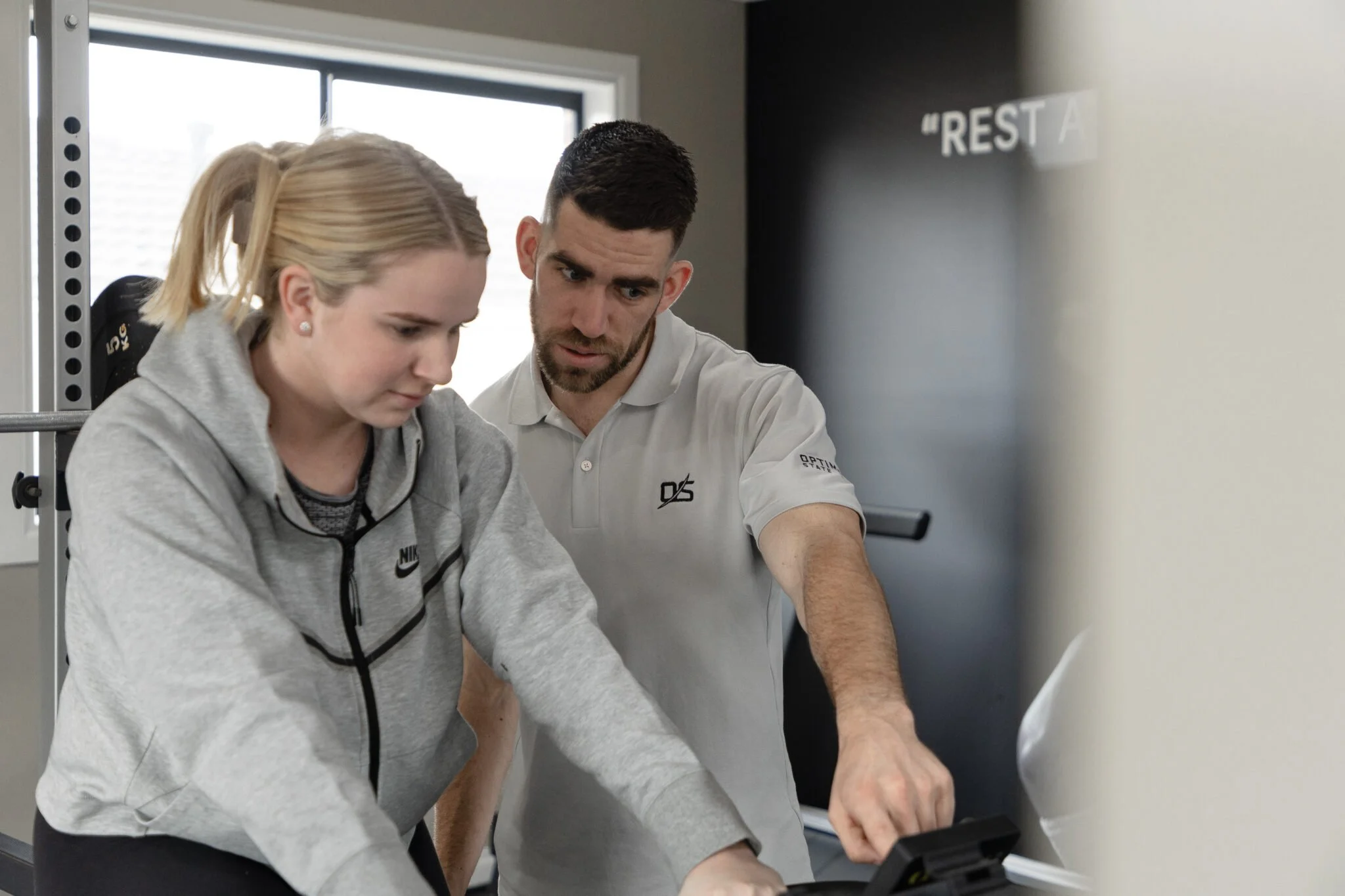
What Happens After Your First Allied Health Assessment?
Your practitioner should explain what happens next.
This may include a proposed care or rehabilitation plan based on your assessment findings and personal goals.
Your plan may cover:
What your care will focus on
Recommended exercises or activities
How often appointments may be needed
What progress may be monitored
When your plan should be reviewed
What you can do between appointments
A good plan can change as your function improves.
For example, early rehabilitation may focus on comfortable movement, basic strength and building tolerance. Later stages may introduce more demanding exercises that match your work, sport or daily activities.
This progression is particularly important for people returning to physical activity after an injury. How to progress from rehabilitation exercises back to training can provide further guidance on how rehabilitation exercises may eventually connect with training demands.
The focus should be on meaningful progress, not simply completing a set number of appointments.
How to Prepare for Your Appointment
You do not need to do anything complicated before your appointment. A few simple steps can help you feel prepared.
Bring Relevant Information: If you have previous reports, scans, referral letters or information about past injuries, bring them if they are relevant. Your practitioner can decide what information is useful for your assessment.
Wear Comfortable Clothing: Choose clothing that allows you to move comfortably. Depending on the area being assessed, your practitioner may need to observe certain movements.
Think About Your Main Goal: Consider what you would like to do more easily. It could be walking, working, exercising, sleeping comfortably or returning to sport. Having a clear goal gives your practitioner a practical point to work toward.
Ask Questions. You can ask about the assessment, recommended care, exercises, appointment frequency, expected progression or anything you do not understand. A good appointment should feel like a conversation rather than a one-sided explanation.
Frequently Asked Questions
-
Not always. Many allied health professionals accept direct bookings. Referral requirements can depend on the service, funding arrangement or your individual circumstances, so it is worth checking before your appointment.
-
Your practitioner will generally discuss your symptoms, history and goals before carrying out an assessment relevant to your presentation. This may include movement, range of motion, strength, joint or spinal function and other relevant physical or functional measures.
-
It depends. Your first appointment may include treatment as well as assessment, but this depends on your symptoms, findings, practitioner and whether treatment is appropriate at that stage.
-
Your practitioner can consider how your work demands relate to your symptoms and physical function. This may include sitting, lifting, repetitive movements, prolonged standing, driving or other job-specific activities.
-
Yes. An assessment can help identify relevant movement, strength, mobility or functional limitations associated with an injury. If rehabilitation is appropriate, your plan can then be progressed according to your activity and sporting goals.
-
Tell your practitioner about any significant changes when you attend. New symptoms or changes in severity may affect how your assessment is approached and what next steps are suitable.
-
Yes. If you are uncertain about a recommendation or want another professional perspective, you can seek a second opinion. You can also discuss your concerns with your current practitioner before deciding about ongoing care.
Allied Health Assessment Near Burnside Heights
If you have been dealing with pain, stiffness, reduced movement or an injury that affects your routine, an assessment can help clarify your options.
Optimal State is based at 19 Chifley Cct, Burnside Heights VIC 3023 and provides chiropractic, osteopathy and rehabilitation services for people in Burnside Heights and surrounding suburbs including Caroline Springs, Sydenham and Taylors Lakes.
The clinic's current rehabilitation service covers needs including lower-back pain and sciatica, neck pain and postural strain, headaches and wry neck, and sports-related injuries. It also describes rehabilitation programs for athletes, tradespeople, office workers and people managing everyday injuries.
If you are considering whether more than one area of care may be appropriate, Chiropractic, Osteopathy & Rehabilitation in Burnside Heights can help explain how integrated care may work.
For people recovering from an injury, why continuity of care matters during rehabilitation is also useful when considering how ongoing assessment and rehabilitation can work together.
At Optimal State, your initial assessment provides an opportunity to discuss your concerns, assess relevant physical function and consider an appropriate care plan.
The first appointment is not about having all the answers. It is about understanding where you are now, identifying practical goals and deciding on a sensible next step.