
Why Continuity of Care Matters During Rehabilitation
Long term care and rehabilitation can be particularly useful when recovery involves recurring pain, an ongoing injury, changing physical demands or a gradual return to work, exercise or sport.
Instead of treating every appointment as a separate episode, a consistent rehabilitation plan allows your practitioner to monitor how you are responding, adjust treatment as your physical capacity changes and gradually guide you towards your goals.
For someone recovering from a sports injury, recurring back pain or neck pain, the right approach may look different at each stage. Early treatment may focus on reducing symptoms and restoring movement. Later, the focus can shift towards strength, physical capacity, work demands or returning to sport.
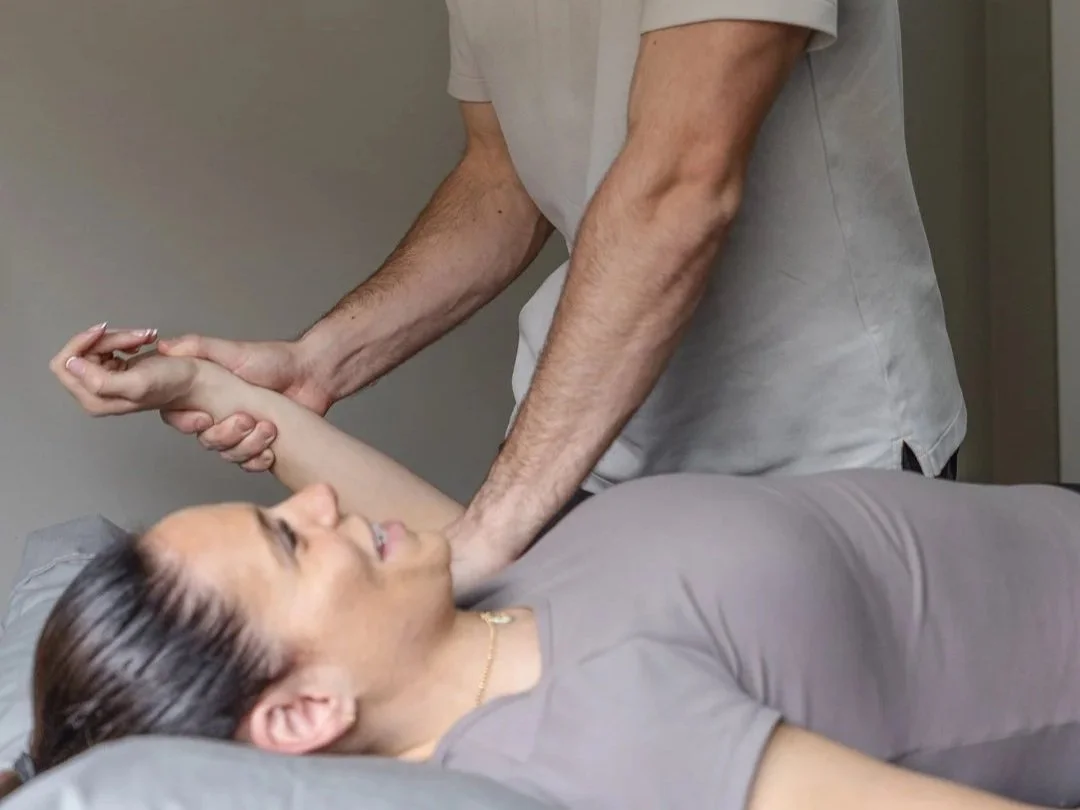
At Optimal State in Burnside Heights, rehabilitation can combine assessment, direct hands-on treatment and active exercise-based rehabilitation when appropriate. The aim is not simply to keep treating the same problem. It is to help you understand what is affecting your movement, build capacity and progress towards the activities that matter to you.
What Does Continuity of Care Mean in Rehabilitation?
Continuity of care means your rehabilitation does not happen as a series of disconnected appointments.
Your practitioner can consider:
Your initial symptoms and assessment findings
How your movement and physical capacity change over time
Your response to treatment and exercise
Previous injuries or recurring problems
Your work and lifestyle demands
Your sporting or training goals
The activities you want to return to
This information can then guide the next stage of your plan.
For some people, continuity may mean working with the same practitioner throughout most of their rehabilitation. For others, it may involve coordinated care between chiropractic, osteopathy and rehabilitation when different areas of expertise are appropriate.
The important point is that each part of care should have a clear purpose.
If you want to understand how these services can work together, our guide to how chiropractic, osteopathy and rehabilitation can form an integrated approach can provide more context.
Why Your Rehabilitation Plan May Change Over Time
A rehabilitation plan that was appropriate at the beginning may not be the best plan several weeks later.
Early in recovery, the priority may be restoring movement, reducing irritation and helping you become comfortable with normal daily activities.
As your symptoms settle, the focus can shift towards:
Building strength
Improving movement control
Increasing mobility where appropriate
Developing physical capacity
Increasing tolerance to workload
Returning to exercise
Preparing for work demands
Returning to sport
The exercises, treatment approach and level of challenge can therefore change as your abilities improve.
This is one reason what to expect during your first allied health assessment is important. An assessment gives your practitioner information about your symptoms, movement, previous injuries, work demands and goals before deciding what the next step should be.
How Continuity Can Help With Back and Neck Problems
Continuity is particularly relevant when symptoms are recurring rather than completely new.
1. Recurring lower back pain
Someone who repeatedly experiences lower back pain may benefit from looking beyond the immediate flare-up. Once symptoms are more manageable, the rehabilitation focus may move towards strength, movement tolerance and the physical demands that contributed to the problem.
For a tradesperson, that could mean gradually rebuilding tolerance for lifting, carrying, bending and working in awkward positions.
For an office worker, the priorities may be different and could include movement capacity, strength and tolerance for prolonged work positions.
The goal is to make the rehabilitation relevant to what the person actually needs to do.
2. Neck pain and postural strain
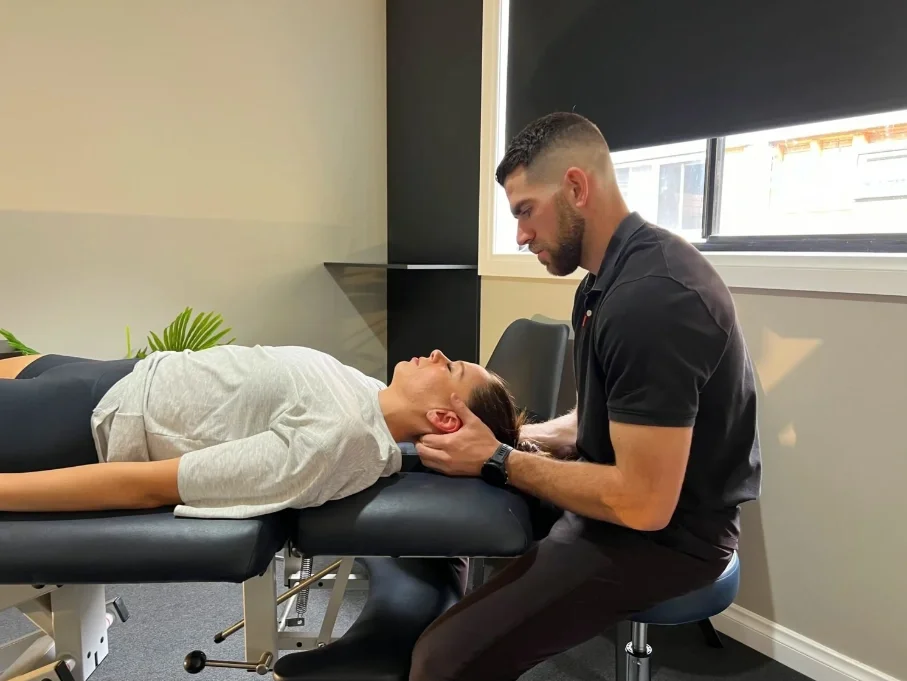
People who spend long periods at a computer may experience recurring neck stiffness, headaches or upper-back discomfort.
In these situations, treatment may address the current symptoms while rehabilitation focuses on restoring movement, strength and tolerance for normal work and daily activities. The plan can then be adjusted as the person's capacity improves rather than relying on the same treatment approach at every appointment.
The Role of Hands-On Treatment During Rehabilitation
Hands-on treatment can have a role within a broader rehabilitation plan when it is clinically appropriate.
For some people, direct treatment may help address relevant musculoskeletal restrictions or symptoms and make movement more comfortable. However, hands-on care does not have to be the entire rehabilitation strategy.
A person may receive direct treatment while also working through exercises designed to improve strength, mobility, coordination or physical capacity. This combination can be particularly useful when the goal is to move beyond short-term symptom management.
The aim is to progressively build the physical capacity needed for work, exercise, sport and everyday life.
If you're interested in how treatment and rehabilitation can fit together, you can also read about what an integrated rehabilitation program can look like from assessment through progression.
Rehabilitation Should Reflect Your Work and Lifestyle
A useful rehabilitation plan should make sense outside the clinic.
The physical demands of a teacher are different from those of a warehouse worker. A tradesperson has different lifting and movement requirements from someone working at a desk. A recreational runner has different goals from someone who simply wants to walk comfortably without pain.
That context matters.
For example, a person working in a physically demanding role may need to rebuild tolerance for repeated lifting and carrying. Someone returning to the gym may need to regain confidence under resistance. An active adult returning to weekend sport may need to gradually tolerate faster and more complex movements.
This is where personalised rehabilitation becomes more meaningful than a generic exercise program.
The question is not simply, "Can you perform this exercise?"
It is also:
"Can you handle the physical demands you actually want to return to?"
When Should a Rehabilitation Plan Be Adjusted?
There is no universal timetable for changing a rehabilitation program. The appropriate timing depends on the injury, symptoms, physical capacity and goals.
A plan may need to progress when you can comfortably manage the current level of activity and are ready for greater challenge. It may need to be modified when symptoms increase, an exercise is not appropriate, or your goals change.
For example, someone who initially wanted to return to everyday activities may later decide they want to return to running. Their rehabilitation requirements may therefore change because running places different demands on the body.
Likewise, someone returning to work may need a different progression from someone preparing to compete in sport. This is why return-to-sport rehabilitation should include more than simply reducing pain when the goal is to get back to training safely and progressively.

From Rehabilitation Exercises Back to Training
One of the most important transitions can happen near the end of rehabilitation.
You may be able to complete your prescribed exercises but still feel unsure about returning to your normal training routine. There is a difference between performing a controlled rehabilitation exercise and handling the demands of a full training session.
The transition may involve gradually increasing:
Exercise complexity
Resistance
Speed
Training volume
Repeated efforts
Sport-specific movements
Workload
For athletes, this might mean progressing from basic strengthening to running, jumping, change-of-direction drills and eventually full training.
For someone returning to the gym, it may mean gradually rebuilding resistance and volume rather than immediately returning to their previous program.
Our guide on progressing from rehabilitation exercises back to training explores this transition in more detail.
What Does a Good Return-to-Sport Plan Include?
Returning to sport is not simply about reaching a date on the calendar.
A good rehabilitation progression considers whether your body can tolerate the demands of the activity you want to resume.
Depending on the injury and sport, this may involve progressing through:
Basic movement and rehabilitation exercises
Strength and conditioning
Running or other sport-specific conditioning
More complex movement patterns
Higher-speed or higher-load activities
Modified training
Full training
Gradual return to competition
The exact progression will depend on the person and the injury. If returning to sport is your goal, what a good return-to-sport rehabilitation program should include can help explain why the later stages of rehabilitation need to reflect the demands of your actual sport.
You can also read how to know when you're ready to return to sport after an injury for more information about the factors that may be considered before increasing activity.
Does Continuity of Care Mean Seeing the Same Practitioner Every Time?
Not necessarily.
Seeing the same practitioner can provide useful consistency because they can become familiar with your history, progress and goals. However, continuity is ultimately about having a connected approach to care.
If chiropractic, osteopathy or rehabilitation input is involved, each part should contribute to the same overall goals rather than becoming a collection of unrelated treatments.
This is one of the principles behind integrated allied health care in Burnside Heights, where different areas of care can be considered according to the person's needs.
How Often Should a Rehabilitation Plan Be Reviewed?
There is no single schedule that suits everyone. A rehabilitation plan should be reviewed according to the person's symptoms, progress, goals and response to increasing activity.
Some people may need more frequent review during an active stage of recovery. Others may require less frequent support once they are managing their exercises and activities independently.
The important thing is that the plan can change when your needs change.
Can Rehabilitation Include Both Hands-On Treatment and Exercise?
Yes, when both approaches are appropriate for the person's presentation and goals.
Hands-on treatment and exercise can serve different purposes within a rehabilitation plan. Direct treatment may be used to address relevant musculoskeletal concerns, while exercise can help develop strength, mobility, coordination and physical capacity.
The combination should have a clear clinical reason rather than simply adding more treatment.
Does Rehabilitation Continue Forever?
No. The length of rehabilitation depends on the person's condition, goals, progress and physical demands.
Some people may need a short period of rehabilitation after a straightforward injury. Others with recurring pain, complex injuries or demanding work and sporting goals may require a longer progression.
Ongoing care should have a clear purpose and should be reviewed as your needs change.
How Can Rehabilitation Help Me Return to Work or Sport?
Rehabilitation can gradually expose you to the physical demands you need to manage.
For work, that might include lifting, carrying, bending, standing or repeated movements. For sport, it may involve running, jumping, acceleration, deceleration, change of direction or repeated efforts.
The closer the later stages of rehabilitation are to your real-world demands, the easier it can be to identify whether you are ready for the next step.
When Should You Consider Continuity of Care?
Continuity may be particularly useful when:
Pain keeps returning
An injury is taking longer than expected to settle
You are moving from treatment into active rehabilitation
You need to rebuild strength or physical capacity
Your work places significant demands on your body
You want to return to gym training
You are preparing to return to sport
You have previously stopped rehabilitation before reaching your activity goals
An assessment can help determine whether you need a focused treatment approach, a structured rehabilitation program or a combination of care.
Rehabilitation That Progresses With You
Recovery is not always about finding one treatment and repeating it until the problem disappears.
Your needs can change as your symptoms improve, your strength develops and your activity level increases.
That is why continuity of care in rehabilitation matters.
A well-structured approach can connect assessment, direct treatment, exercise rehabilitation and progression around the activities you actually want to return to. It can also help you recognise when the plan needs to change and when you are ready to take greater responsibility for your own physical capacity.
At Optimal State in Burnside Heights, the focus is on understanding your presentation, identifying what is limiting your function and building a rehabilitation pathway around your goals. Whether you're dealing with recurring back or neck pain, recovering from an injury or working towards a return to sport, the next step should be based on your individual needs.
If pain, reduced movement or an injury is affecting your work, training, sport or everyday activities, an allied health assessment can help clarify what your rehabilitation may involve.
Book an assessment with Optimal State to discuss your symptoms, current capacity and rehabilitation goals.