
How Do You Know When You're Ready to Return to Sport After an Injury?
Returning to sport after an injury can be exciting, but it can also be frustrating. Whether you play football, basketball or tennis, run recreationally, or enjoy strength training, the question is often the same:
“Am I actually ready to go back?”
Many people assume that if the pain has mostly disappeared, they have fully recovered. In reality, pain is only one part of readiness. Your mobility, strength, balance, coordination, confidence and ability to tolerate training loads also need to be considered before returning to full training or competition.
A successful return to sport after injury is about rebuilding physical capacity and confidence, rather than simply waiting for symptoms to disappear. This guide explains the key signs that may indicate you're ready, what to monitor during your return, and how professional sports injury rehabilitation can help you progress safely.
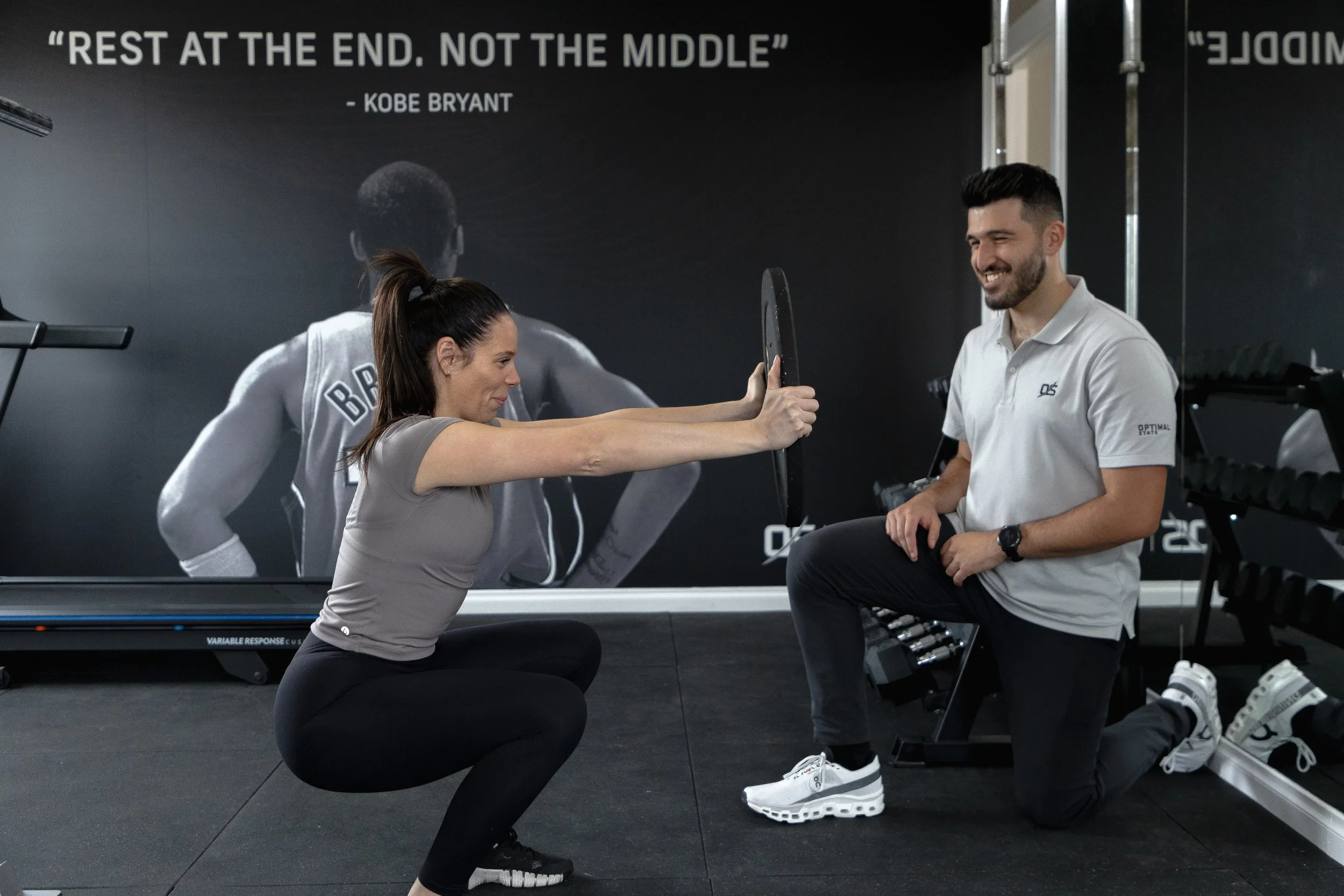
Quick Answer: What Are the Signs You're Ready to Return to Sport?
There is no single test that determines readiness for every injury or sport. However, you may be moving towards a return to sport when you can:
Move through the range of motion your sport requires.
Demonstrate adequate strength and movement control.
Tolerate progressively harder training without a significant increase in symptoms.
Perform sport-specific movements with control.
Maintain movement quality as fatigue increases.
Feel confident performing the movements required by your sport.
Your injury, training history and sporting demands all matter. If you're unsure whether you're ready, a return-to-sport assessment can help identify remaining limitations and determine what should be addressed before progressing to full training or competition.
Can You Move Through the Required Range?
Every sport places different demands on your body. Returning safely means restoring the movement your sport requires, rather than simply achieving enough mobility for everyday activities.
A runner may need adequate hip and ankle movement. A tennis player relies on shoulder and trunk rotation. A basketball player repeatedly squats, jumps, lands and changes direction.
Relevant joint movement: During rehabilitation, your clinician may assess joint mobility, muscle flexibility, active movement, movement control, side-to-side differences, and how movement changes under load.
Sport-specific positions: It is also important to perform movements that resemble your sport. Being able to squat comfortably in a clinical setting is different from repeatedly landing after a rebound. Being able to raise your arm is different from serving repeatedly in tennis. As rehabilitation progresses, exercises can become more specific to the positions, speeds and movements you need for training and competition.
For people dealing with more complex or recurring problems, understanding how chiropractic, osteopathy and rehabilitation can work together may also help explain why assessment and treatment are often combined rather than relying on a single intervention.
Have You Rebuilt Your Strength?
Strength loss is common after an injury or period of reduced activity. The affected area may feel better while still lacking the capacity it previously had.
This is why returning to sport after injury should usually include progressive strengthening rather than simply resting until symptoms settle.
Compare the affected and unaffected side. Comparing sides can sometimes help identify differences in strength or control. Depending on the injury, your rehabilitation may assess leg strength, shoulder strength, balance, single-leg stability, functional control, and endurance.
Functional strength matters most. Sport requires your body to generate, absorb and control force. Your sport-specific rehabilitation should gradually bridge the gap between basic strengthening exercises and these real-world demands.
Can You Tolerate Training Loads?
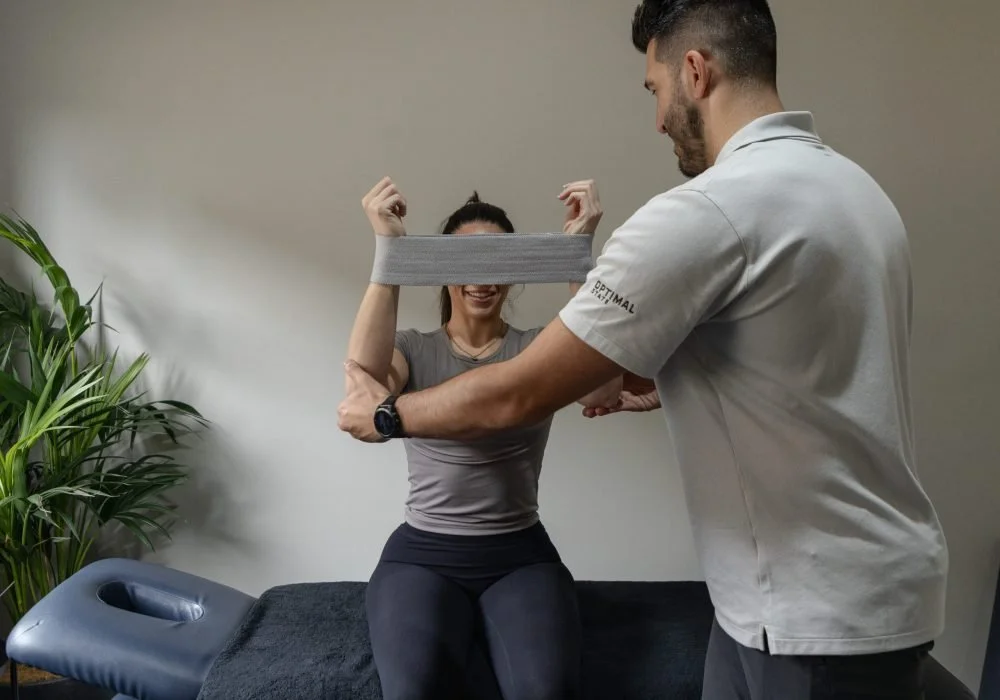
Another important part of a return-to-sport assessment is determining whether your body can handle the amount of work your sport requires.
Training load includes much more than lifting weights. It can include running distance, sprint volume, jumping frequency, repetitions, session duration, resistance, training intensity, and frequency of sessions.
A person may tolerate one hard effort but struggle when that effort is repeated several times. That's why workload tolerance matters.
Running and cardio: If your sport involves running, your progression may move through stages such as walking, jogging, continuous running, faster intervals, and sprinting. The exact progression depends on the injury and the individual's current capacity. The goal is to gradually expose the body to the demands it needs to tolerate.
Resistance training: For strength athletes and gym-goers, returning immediately to previous lifting numbers may place more demand on recovering tissues than they can currently handle. A progressive approach allows resistance, volume and exercise complexity to increase as capacity improves.
Repeated movements and fatigue: Sport rarely involves performing one perfect repetition. You may need to sprint repeatedly, change direction while tired, land multiple times, or maintain technique throughout a long training session.
A structured return to training after injury should therefore consider not just what you can do once, but what you can repeatedly tolerate.
For more on the transition from rehabilitation exercises into training, see how to progress from rehabilitation exercises back to training.
Can You Perform Sport-Specific Movements?
As rehabilitation progresses, exercises should become increasingly relevant to your chosen activity. This doesn't mean copying your sport immediately. Instead, movements can gradually become faster, more complex, more loaded or more repetitive as your capacity improves.
For someone recovering from a shoulder injury, gradually rebuilding throwing capacity may be more relevant to their sporting goal than simply improving shoulder flexibility. Likewise, someone returning to football after a lower-limb injury may need to progress from controlled strength work to running, acceleration, deceleration, cutting and repeated efforts.
If you're considering what a quality rehabilitation program should include, return-to-sport rehabilitation: what should a good program include provides a useful next step.
What Happens If Symptoms Return During Training?
Some soreness or temporary symptoms can occur when activity increases, but symptoms should be interpreted in context.
Pay attention to what happens:
During training
Immediately afterwards
Later that day
The following morning
Across several sessions
A significant or repeated increase in pain, swelling, instability, loss of movement or function may indicate that the current workload needs to be reviewed. Rather than automatically pushing through symptoms or stopping all activity, your rehabilitation plan may need to be adjusted.
This is particularly important when progressing from controlled rehabilitation exercises into more demanding training. A good program should provide a clear way to modify exercise selection, intensity or volume when your response changes.
How an Assessment Can Help Determine Your Readiness
It can be difficult to judge your own recovery objectively. Everyday activities may feel completely normal while higher-level tasks still expose limitations in strength, endurance, balance or movement control.
A professional assessment may consider:
Your injury history
Current symptoms
Joint mobility
Muscle strength
Balance and coordination
Functional movement
Exercise tolerance
Training history
Sport-specific demands
Your goals for returning to activity
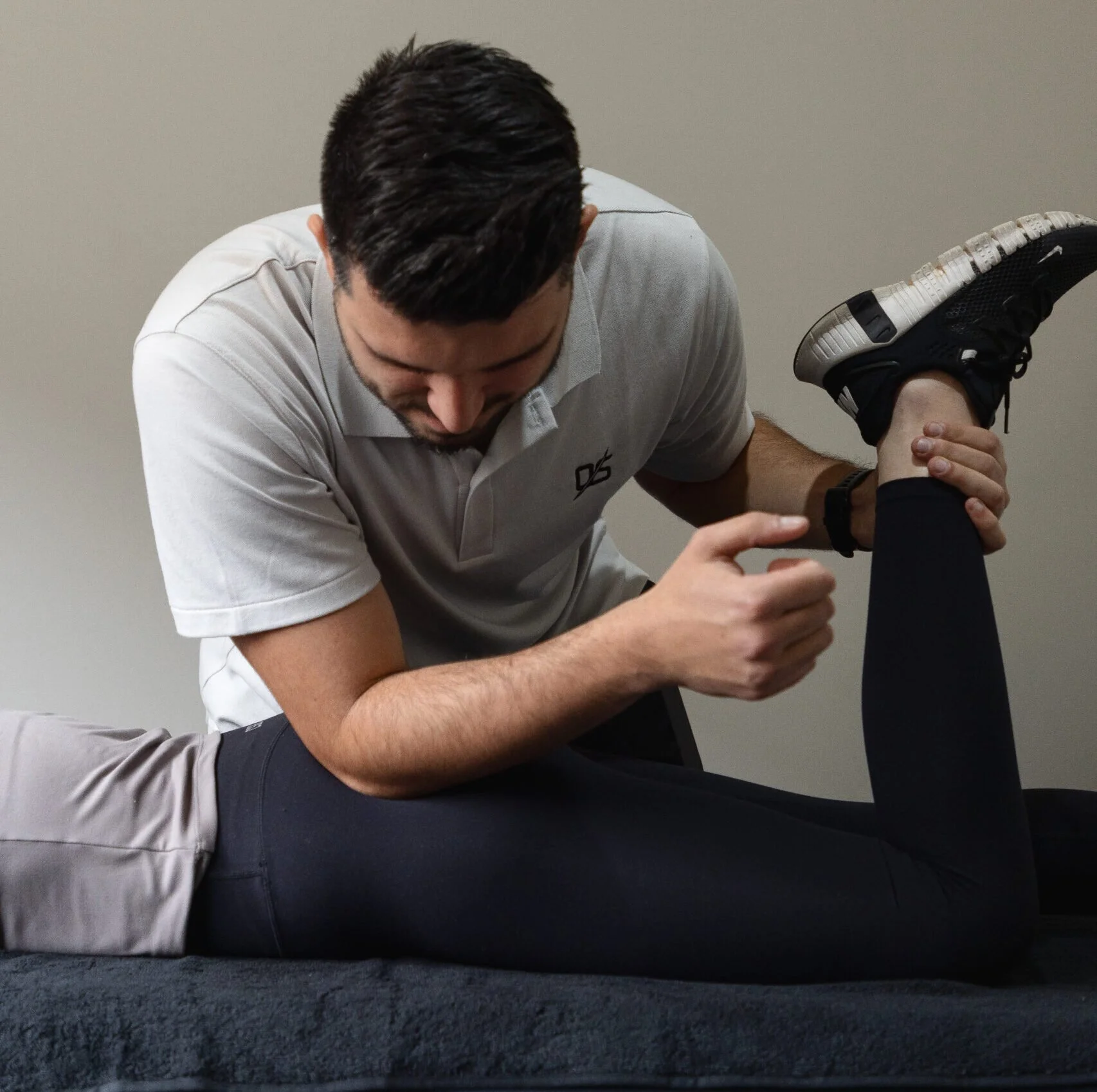
This doesn't mean every person needs an extensive battery of tests before returning to recreational exercise. The assessment should be appropriate to the injury, activity and level of sport involved.
If you're unsure what happens during an assessment, this guide explains how an initial assessment can help establish where you're starting and what needs attention.
For people in Burnside Heights and surrounding western Melbourne suburbs, this type of assessment can be particularly useful when an injury is affecting both everyday activities and recreational sport.
You can also learn more about integrated allied health care in Burnside Heights if you want to understand how different areas of care can work together during rehabilitation.
What Should a Good Rehabilitation Program Include?
A strong rehabilitation program should be based on the individual's injury, current capacity and goals. Depending on the situation, it may include:
Assessment: Understanding the injury, symptoms, movement limitations and demands of the person's sport or daily activities.
Targeted treatment: Where appropriate, hands-on treatment may be used to address pain, mobility or other movement limitations.
Progressive exercise: Strength, control, balance, endurance and other physical qualities can be developed progressively.
Sport-specific preparation: Exercises and drills become increasingly relevant to the movements, speed and workload required by the sport.
Load management: Training volume and intensity are increased progressively rather than returning immediately to previous workloads.
Ongoing reassessment: Progress is monitored so the rehabilitation program can change as capacity improves. This combination helps create a pathway from injury rehabilitation to normal training and, eventually, full participation.
For a more detailed look at the structure, read what does an integrated rehabilitation program look like?
When Should You Seek Professional Guidance?
You don't necessarily need professional assessment for every minor ache after exercise.
However, assessment may be appropriate when:
Symptoms keep returning.
Pain or swelling is increasing.
You feel instability or weakness.
Your movement remains restricted.
You cannot return to your normal training level.
You are unsure how to progress your exercises.
You are worried about returning to competition.
A previous injury continues to affect your performance.
If you're unsure where to start, an assessment can help establish your current capacity and identify the next practical step.
For people in Burnside Heights and nearby western Melbourne suburbs, Optimal State provides chiropractic, osteopathy and exercise rehabilitation aimed at restoring movement and function around individual goals.
Book an Assessment
Knowing you're ready to return to sport shouldn't be based entirely on guesswork.
If you've been wondering when to return to sport after injury, an assessment can help you understand your current mobility, strength, movement control and ability to tolerate training.
The goal isn't simply to get you back on the field, court, track or in the gym. It is to help you build the capacity to participate confidently and manage the demands of your activity.
If you're unsure what needs to happen before you return to training or competition, book an assessment with Optimal State to discuss your next step.
Frequently Asked Questions
-
There is no single checklist that applies to every injury. Generally, you should be able to demonstrate appropriate mobility, strength, movement control and sport-specific capacity for your activity while tolerating progressively harder training without a significant worsening of symptoms.
-
Recovery varies considerably depending on the injury, severity, treatment, training demands and individual circumstances. A fixed timeline is not appropriate for every injury. Functional capacity and response to increasing activity are often more useful considerations than simply counting weeks.
-
Sometimes, depending on the injury and how the symptoms respond to activity. Mild symptoms don't automatically mean you have caused further damage, but persistent, worsening or concerning symptoms should be assessed rather than ignored.
-
Monitor when the symptoms occur and how they respond afterwards. If pain, swelling, instability, weakness or reduced movement persists or repeatedly increases, reduce the relevant training demand and seek professional guidance.
-
It can be useful if you're uncertain about your readiness, particularly after a significant injury, recurring symptoms or a prolonged period away from sport. An assessment can help identify remaining limitations and provide a clearer progression plan.