
What Does an Integrated Rehabilitation Program Look Like?
An integrated rehabilitation program combines assessment, hands-on care where appropriate, targeted exercise and progressive loading to help you return to normal activity, work, exercise or sport.
Rehabilitation is more than being given a sheet of exercises and being told to do them at home. A well-planned program considers how you move, what is affecting your ability to function, the demands placed on your body and what you want to get back to doing.
Depending on your presentation, rehabilitation may include hands-on treatment, mobility work, strength training, movement retraining and gradual increases in activity. The approach should also change as your physical capacity improves.
For a broader explanation of how different practitioners can work together, see how integrated chiropractic, osteopathy and rehabilitation care work.
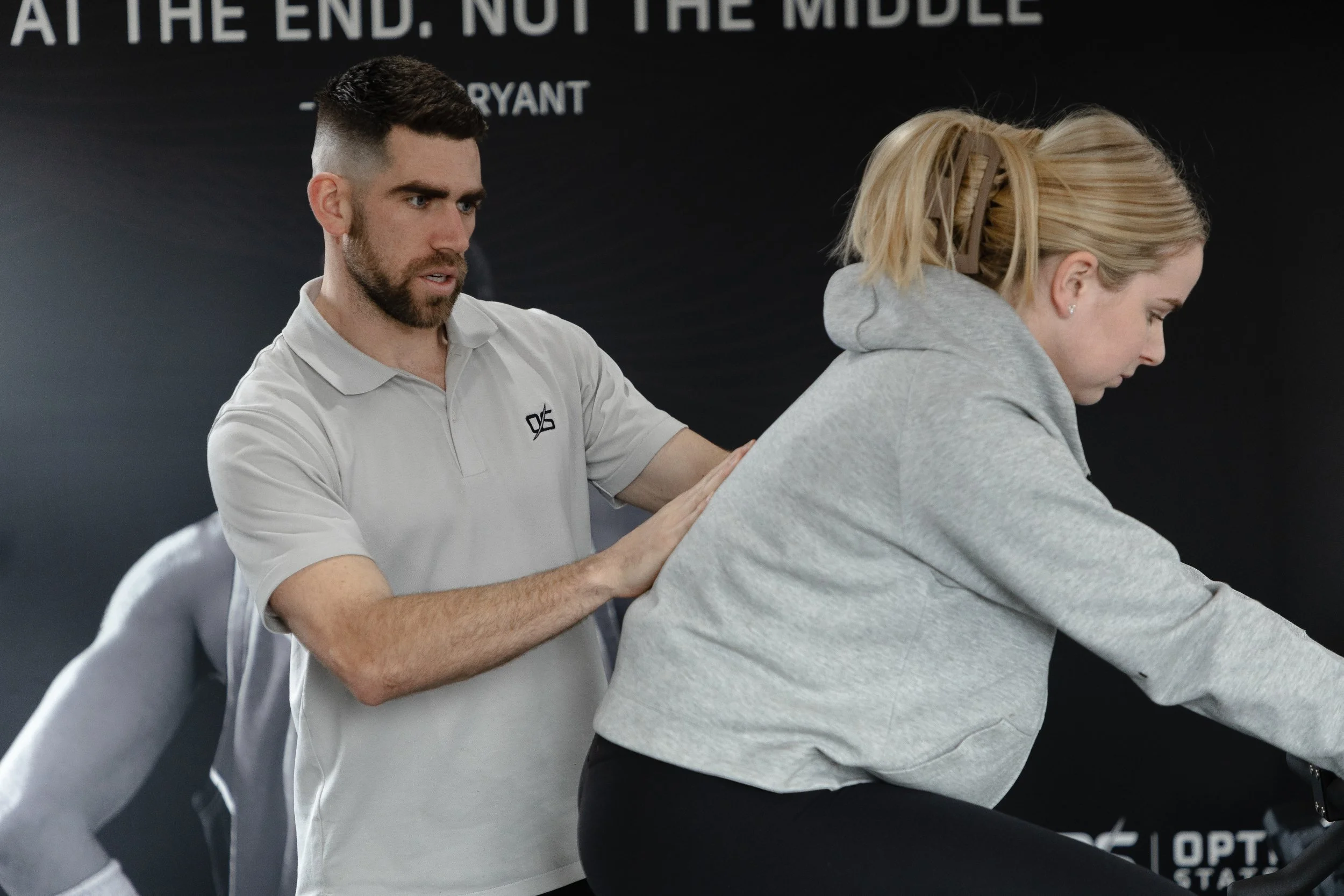
What Is an Integrated Rehabilitation Program?
An integrated rehabilitation program brings different parts of care together within a structured plan.
Rather than treating an exercise program, hands-on treatment or strength work as separate services, the practitioner considers how they can support the overall rehabilitation process.
A program may include:
Physical assessment
Hands-on treatment where appropriate
Mobility exercises
Strength training
Movement retraining
Progressive loading
Functional exercises
Work-specific activities
Sport-specific rehabilitation
Monitoring and progression
The exact combination depends on your symptoms, physical findings, current capacity and goals.
For example, someone with lower back pain who works in a physically demanding job may need to build strength and lifting capacity. An office worker with neck pain may need to improve neck and upper-back movement, strength and tolerance for prolonged computer work. A recreational athlete returning from injury may need progressively more demanding sport-specific exercises.
The aim is not simply to reduce symptoms. It is to improve your ability to handle the physical demands of everyday life, work, exercise or sport.
Step 1: Start With a Detailed Assessment
The first step is understanding what you are dealing with.
An assessment can look at your symptoms, movement patterns, strength, mobility and physical findings. Your practitioner may also ask how the problem affects your work, exercise, sport, sleep or daily activities.
This helps establish your current physical capacity and identify areas that may need attention.
An assessment may consider:
Where you feel pain or discomfort
Which movements make symptoms worse or easier
Joint mobility and movement quality
Muscle strength and endurance
Balance and coordination
Activities you currently struggle with
Work demands
Sporting or exercise demands
Previous injuries or relevant history
These findings can then help shape an individualised rehabilitation plan.
If you're unsure what happens during an assessment, our guide to what to expect during your first allied health assessment explains the process in more detail.
Step 2: Identify What Needs to Change
Once the assessment is complete, the next question is, 'What needs to improve for you to return to the activities that matter to you?'
You may have restricted movement, reduced strength, poor movement control or difficulty handling particular physical loads. Sometimes symptoms return when the body is exposed to demands that it has not yet built enough capacity to handle.
Your rehabilitation plan may therefore focus on several areas.
Mobility: Improving movement where restrictions affect function.
Strength: Building the ability to produce and maintain force.
Load Tolerance: Gradually helping the body handle increasing physical demands.
Movement Control: Practising controlled and efficient movement.
Functional Capacity: Building the physical ability required for normal work, exercise or daily activities.
The focus should be on the physical factors relevant to your presentation rather than simply following a standard exercise sheet.
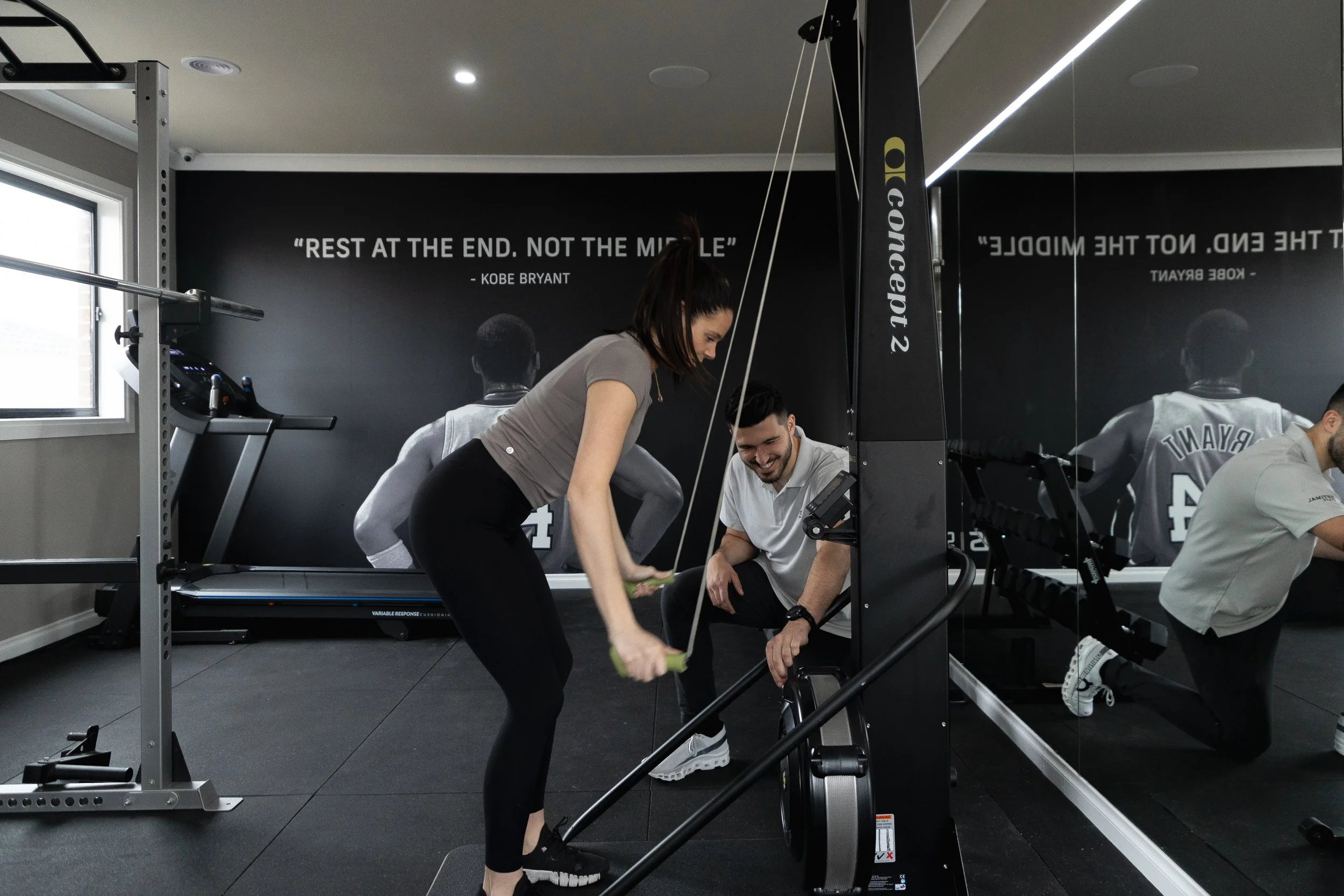
Step 3: Use Hands-On Care Where Appropriate
Hands-on treatment may form part of an integrated rehabilitation program when it is appropriate for your presentation. Depending on the practitioner and your needs, this may include manual techniques aimed at improving joint movement, reducing muscle tension or making certain movements more comfortable.
The role of hands-on care is not necessarily to stand alone.
For example, if stiffness is making a particular movement difficult, hands-on treatment may be used before movement exercises. The session can then shift towards active rehabilitation, allowing you to work on movement, strength and physical capacity.
This creates a more direct approach to rehabilitation.
If you're considering whether different practitioners should be involved in your care, when to consider integrated allied health care provides more information about when this approach may be useful.
Step 4: Introduce Targeted Rehabilitation Exercises
The exercise component should match your current ability.
Early exercises may focus on basic mobility, controlled movement or restoring confidence with a particular activity. As your capacity improves, the program can include more challenging strength and functional exercises.
A rehabilitation program may include:
Mobility exercises
Core or joint stability work
Strength exercises
Balance and coordination drills
Controlled loading
Functional movement patterns
Work-specific exercises
Sport-specific exercises
Exercise selection should have a reason behind it.
For example, someone returning to running may eventually need single-leg strength, landing control, running drills and gradual increases in running volume.
Someone returning to physical work may need exercises that progressively build lifting, carrying or other work-related capacity. The goal is to make the rehabilitation relevant to what you actually need to do outside the clinic.
Step 5: Progress the Program
Doing the same exercises at the same level for months may not provide enough challenge to continue building physical capacity. Progression allows exercises and activities to become more demanding as your ability improves.
Progression may involve:
Adding resistance
Increasing repetitions
Increasing range of movement
Changing exercise difficulty
Increasing activity duration
Adding speed or control demands
Introducing work-specific tasks
Introducing sport-specific movements
Progress does not mean making every session harder.
The level of challenge should match your current capacity and response. If an increase causes a clear setback, the program may need to be adjusted.
This gradual approach can be particularly useful when preparing to return to demanding work, gym training or sport.
If you're progressing from rehabilitation exercises towards your normal training routine, see how to progress from rehabilitation exercises back to training.
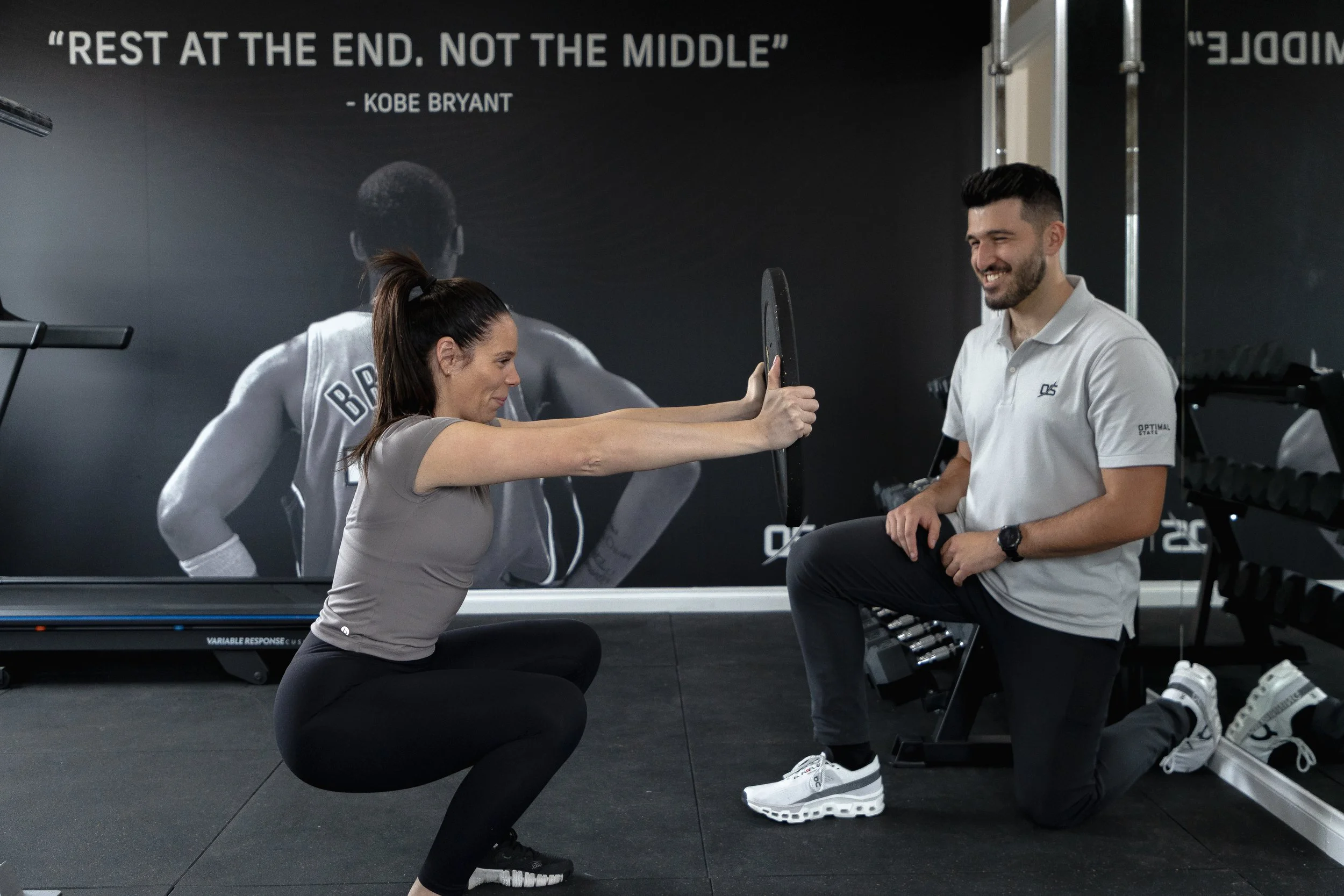
Step 6: Monitor Your Response
Rehabilitation is not a set-and-forget process.
Your practitioner can monitor how you respond as the program develops. This can help determine whether an exercise should progress, stay at the same level or be modified.
Progress may be assessed through:
Changes in symptoms
Range of movement
Strength and endurance
Movement quality
Exercise tolerance
Work capacity
Ability to perform daily activities
Return to exercise or sport
Symptoms are only one part of the picture.
You may also notice that you can move more easily, lift more weight, exercise for longer or complete a work task without needing as many breaks.
These changes can help show whether your physical capacity is improving.
This is also why continuity of care during rehabilitation can be useful. A program can be reviewed and adjusted as your needs change rather than remaining fixed from the beginning.
What Can Integrated Rehabilitation Look Like for Common Problems?
An integrated rehabilitation program can look very different from person to person. The starting point, exercises, treatment approach, progression and goals should reflect the individual.
1. Lower Back Pain and Sciatica
Lower back pain can affect bending, lifting, sitting, walking and other everyday activities.
For someone with lower back pain, rehabilitation may begin with movements that are manageable before progressing towards strength, trunk control, lifting practice and other functional activities.
For people experiencing sciatica symptoms, the assessment may also consider nerve-related symptoms and how different movements affect them. The plan should reflect the person's symptoms and physical findings rather than follow a standard exercise sheet.
For someone who works in warehousing, operates machinery or works in a trade, rehabilitation may also need to account for repeated lifting, carrying, bending or other physical demands.
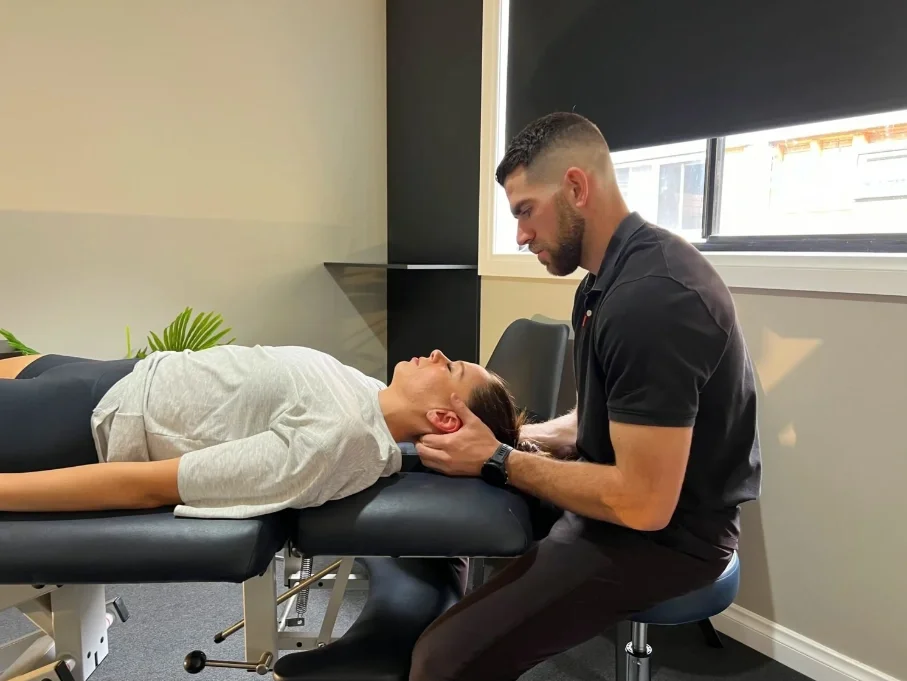
2. Neck Pain, Headaches and Postural Strain
Neck problems can present in different ways, including neck pain, headaches, restricted movement, strains or an acute "wry neck". Long periods at a desk can also place repeated demands on the neck, shoulders and upper back.
Rehabilitation may focus on:
Neck and upper-back movement
Shoulder strength
Postural endurance
Movement control
Tolerance for computer work
Gradual return to normal activity
The goal is not to force the body into a perfect posture all day.
Instead, rehabilitation can focus on improving movement options and building enough physical capacity to tolerate normal work and daily activities.
This can be particularly relevant for people who spend long periods working at a computer, teaching, doing reception work or performing other repetitive tasks.
3. Sports Injuries
People returning to sport often need to handle greater physical demands than those required for everyday activities.
Sports rehabilitation may progress from basic strength and mobility towards:
Jumping
Landing
Changing direction
Acceleration
Deceleration
Running
Sport-specific drills
The exact progression depends on the injury, sport and individual capacity.
For local patients looking for sports injury rehabilitation in Burnside Heights, an assessment can help determine what needs to improve before progressing towards full sporting activity.
If you're returning to sport after an injury, you can also read what a good return-to-sport rehabilitation program should include.
4. Returning to Training
Returning to exercise does not always mean going straight back to your previous routine.
Training volume, intensity, frequency and exercise selection can be increased in stages.
For example, someone returning to gym training after a back injury may initially need to modify certain exercises or reduce training loads before gradually rebuilding their previous capacity.
A recreational runner may need to increase running volume progressively rather than immediately returning to their previous weekly distance.
The aim is to make the transition from rehabilitation to normal training structured and manageable.
If you're unsure whether you're ready, our guide on how to know when you're ready to return to sport after an injury can help explain some of the factors to consider.
Why Rehabilitation Should Be Individualised
A generic program may contain useful exercises, but it cannot account for every person's symptoms, physical capacity, work demands or goals.
Consider three people with similar back pain:
A warehouse worker may need to repeatedly lift and carry.
A tradesperson may need to bend, kneel, climb or work in awkward positions.
An office worker may need to tolerate prolonged sitting and computer work.
A recreational runner may need to handle repeated impact and running volume.
Their symptoms may be similar, but their rehabilitation needs can be very different.
That's why an effective rehabilitation plan should consider both the physical problem and the demands you need to return to.
For someone in Burnside Heights, Caroline Springs, Delahey or surrounding western Melbourne suburbs, those demands may include physically demanding work, desk-based employment, gym training, recreational sport or everyday family activities.
The rehabilitation process should be built around those real-world requirements.
Frequently Asked Questions
-
There is no fixed timeframe. The length depends on your condition, starting capacity, goals and response to rehabilitation. Your practitioner can review your progress and adjust the plan as needed.
-
In many cases, yes. Your rehabilitation program can take your work demands into account. A practitioner may modify exercises or activity levels around lifting, sitting, standing, repetitive tasks or other physical requirements.
-
It may be appropriate after some surgical procedures, depending on your surgeon's recommendations and stage of recovery. Your rehabilitation team can work within any restrictions and gradually introduce appropriate activities.
-
Referral requirements can vary depending on the practitioner, service and funding arrangement. You can contact the practice directly to ask about its assessment process and whether you need any documents before your first appointment.
-
Rehabilitation can address factors such as reduced strength, limited mobility and reduced physical capacity. Improving these areas may help you handle everyday or sporting demands, although no rehabilitation program can guarantee that an injury will not happen again.
-
The answer depends on your injury, physical capacity and training demands. In general, the transition should be gradual, with exercise difficulty, load, volume and sport-specific demands increasing as your capacity improves.
Start With an Assessment
If pain, reduced strength, limited movement or an injury is affecting your work, exercise, sport or everyday activities, an assessment can help identify what needs to improve.
An integrated rehabilitation program may combine hands-on care where appropriate with targeted exercise, strength work and progressive loading. The emphasis is on building the physical capacity you need to return to your normal activities.
At Optimal State, the rehabilitation approach can be tailored to your presentation, physical findings and goals rather than relying on a standard exercise program.
If you're unsure what type of care or rehabilitation you need, start with an assessment and discuss your symptoms, current abilities and goals with a qualified practitioner.