
Return to Sport Rehabilitation: What Should a Good Program Include?
Returning to sport after an injury involves more than simply waiting for the pain to disappear. You may feel comfortable walking, working or completing everyday activities, but that does not always mean your body is ready for running, jumping, lifting, changing direction or competing.
Return to sport rehabilitation gradually rebuilds the strength, movement, control and load tolerance needed for your specific activity. It helps bridge the gap between recovering from an injury and confidently handling the demands of training and competition.
Whether you are returning after a muscle strain, joint injury, shoulder problem or another sports-related condition, rehabilitation should be tailored to your current abilities, injury and sporting goals.
So, what should a good return-to-sport rehabilitation program include?
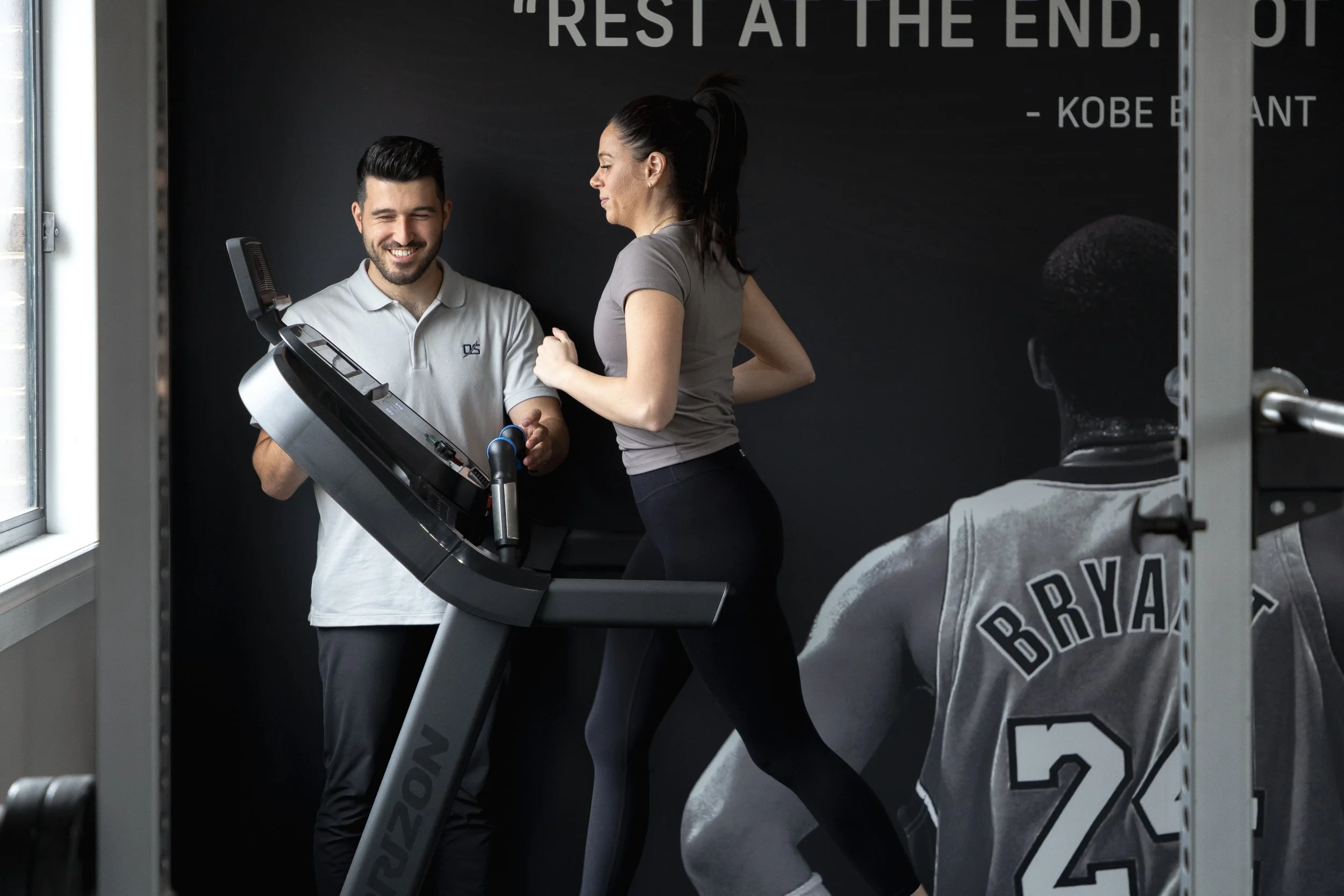
Quick Answer: What Should Return to Sport Rehabilitation Include?
A good return-to-sport rehabilitation program should assess your current capacity, restore necessary movement, rebuild strength, increase load tolerance and gradually introduce sport-specific demands. From there, training can be reintroduced in stages before progressing toward unrestricted sport and competition.
The exact process depends on your injury, sport, training level and goals. The aim is not simply to feel better but to prepare your body for the physical demands you need to handle when you return.
For a broader look at how assessment, treatment and exercise can work together, see our guide to how integrated chiropractic, osteopathy and rehabilitation can work together.
Step 1: Establish Where You Are Starting
The first step in returning to sport rehabilitation is understanding your current physical capacity. Before progressing exercises or training, a rehabilitation assessment can identify what has improved and what still needs attention.
This assessment provides a starting point for building a plan around your injury, activity and goals rather than relying on a generic exercise routine.
Pain: Your clinician can assess when pain occurs, what activities aggravate it and how your symptoms respond to exercise and increased activity.
Movement: Your range of motion and movement quality can provide useful information about your recovery. Restrictions or poor control may affect how you run, jump, lift or perform sport-specific movements.
Strength: Injury and reduced activity can cause weakness. Testing strength can help identify differences between limbs or muscle groups and establish appropriate strengthening exercises.
Function: Rehabilitation also needs to consider what you actually need to do. A recreational runner, football player and tennis player have very different physical requirements. Someone returning to gym training may have different goals again.
If you're unsure what happens during an assessment, you can also learn more about what to expect during your first allied health assessment.
Step 2: Restore Necessary Movement
Before increasing intensity, your body needs to move effectively through the ranges required for your activities.
Range of Motion: Some injuries can temporarily reduce joint range because of pain, swelling or protective muscle activity. Appropriate exercises can gradually restore useful movement where needed.
Mobility: Mobility should be relevant to your sport and injury. The goal is not necessarily maximum flexibility but enough movement to perform required activities effectively.
Movement Control: Movement also needs to be controlled. Balance, coordination and stability exercises can help you develop control before more demanding activities are introduced. Restoring movement provides a foundation for the next stages of injury rehabilitation.
For a broader explanation of how rehabilitation can be structured from assessment through exercise progression, see what an integrated rehabilitation program can look like.
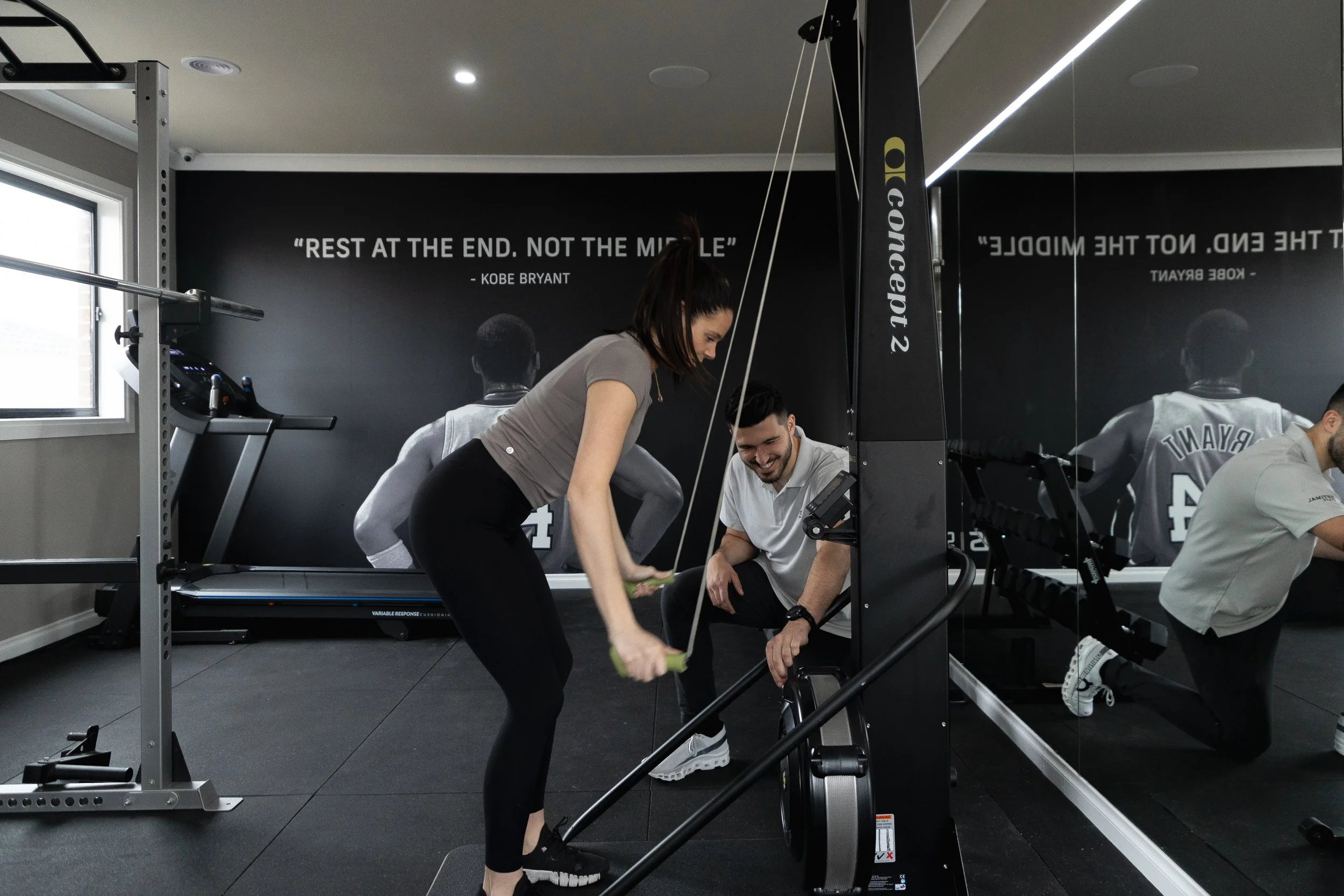
Step 3: Rebuild Strength After Injury
Strength is a key component of effective sports rehabilitation. After an injury, muscles can become weaker because activity has been reduced or certain movements have been avoided.
Simply feeling less pain does not necessarily mean that your previous strength and physical capacity have returned.
Basic Strength: Early exercises may focus on controlled movements that target the injured area and surrounding muscles. The exercises will depend on your specific condition and current capacity.
Unilateral and Bilateral Capacity: Both two-sided and single-sided exercises can be useful. Bilateral exercises develop overall strength, while unilateral exercises can challenge balance and the ability of each side to work independently.
Progressive Resistance: As your capacity improves, resistance can gradually increase. This might involve heavier weights, more repetitions, greater range or more challenging exercise variations. The aim is to build strength progressively without advancing faster than your body can tolerate.
This is where an individualised plan becomes particularly useful. Integrated allied health care in Burnside Heights can involve different forms of care working toward the same functional goal rather than treating each part of recovery in isolation.
Step 4: Increase Load Tolerance for Sport
Being strong enough to perform an exercise once does not necessarily mean you are ready for an entire training session. Sport requires your body to tolerate repeated loading. Rehabilitation therefore needs to gradually increase your capacity to handle greater physical demands.
Load can be progressed by increasing:
Repetitions
Resistance
Speed
Intensity
Training duration
Movement complexity
Frequency of activity
Recovery periods may also be adjusted as your fitness and tolerance improve.
This stage is particularly important when returning to training after injury. Training places repeated stress on the body, so rehabilitation should prepare you for that workload rather than stopping once basic exercises become comfortable.
For example, someone may tolerate a small number of controlled exercises but experience symptoms when performing the same movements repeatedly. Gradually increasing exposure gives the body an opportunity to adapt to higher demands.
This is also where continuity can be valuable. A rehabilitation plan may need to change as your capacity improves, rather than following exactly the same approach from the first appointment to the final stage. Learn more about why continuity of care matters during rehabilitation.
Step 5: Introduce Sport-Specific Demands
As your strength and load tolerance improve, rehabilitation should become increasingly specific to your sport. The goal is to progressively close the gap between controlled rehabilitation exercises and the movements you actually need to perform.
Running: Running rehabilitation may progress from walking or controlled movement to jogging, running and eventually faster efforts, depending on your injury and current tolerance.
Jumping: Jumping and landing require the body to absorb and produce force. Rehabilitation can gradually introduce hopping, landing and repeated jumping when appropriate.
Change of Direction: Sports such as football, basketball and tennis require rapid deceleration and changes of direction. These movements can be progressively introduced as your control, strength and tolerance improve.
Lifting: Athletes involved in lifting, pushing, pulling or carrying need to gradually rebuild tolerance to these loads. This can also be relevant to people who combine sport with physically demanding work.
Sport-Specific Movements: Eventually, exercises should resemble the movements you perform during sport. This helps bridge the gap between rehabilitation exercises and actual sporting activity and is an important part of return to activity after injury.
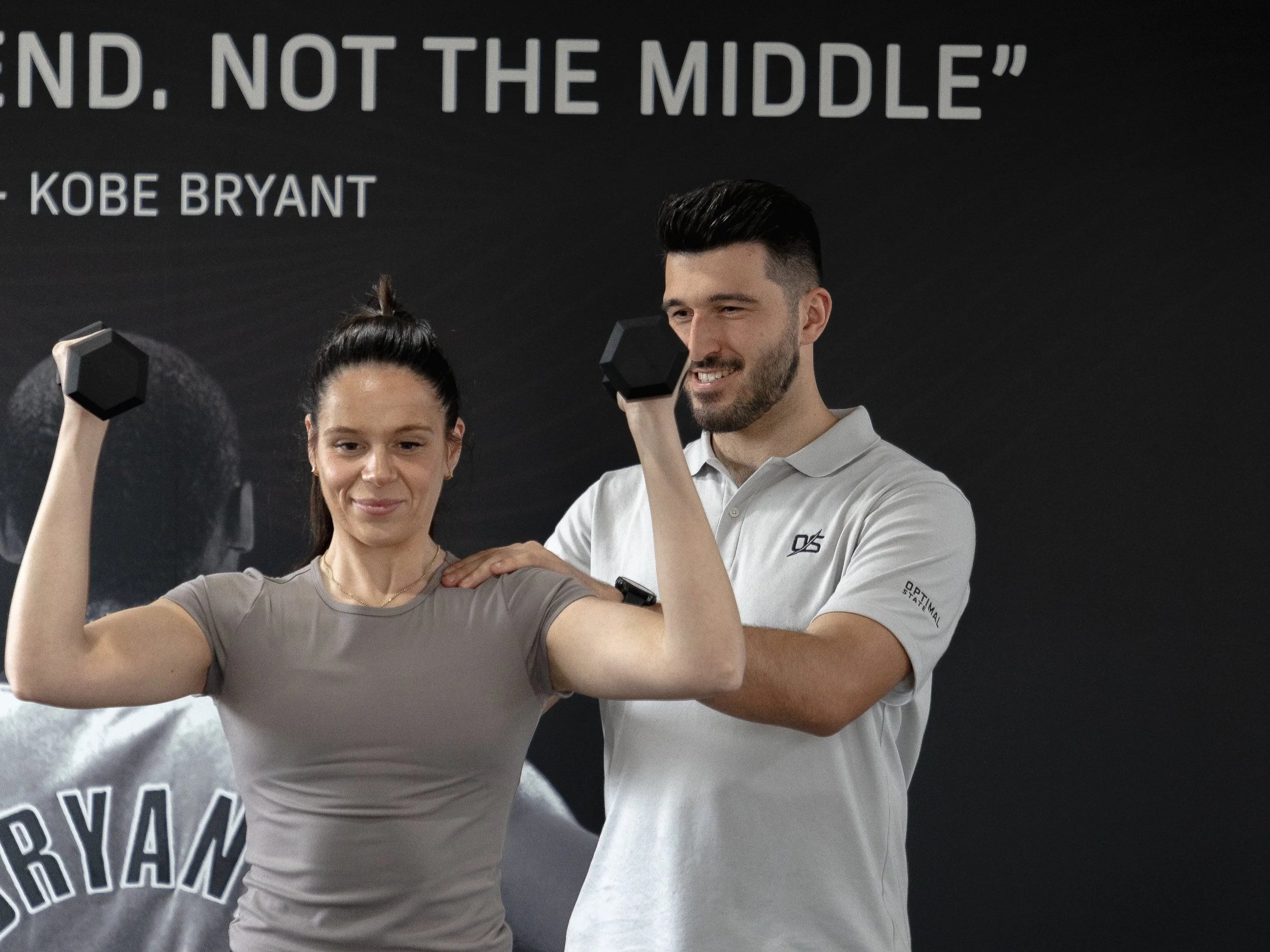
Step 6: Gradually Return to Training
Returning to training should not mean immediately returning to your previous training volume.
Instead, training can be modified and gradually increased according to your current capacity. You may initially reduce the duration, intensity or frequency of training or avoid particular movements while continuing with appropriate activities.
For example, you might initially complete part of a training session before progressing toward a full session.
This is where progressing from rehabilitation exercises back into training becomes important. The transition should be planned rather than treated as a single step from rehabilitation to normal training.
Communication between your rehabilitation clinician and coach can also be useful during this stage when appropriate. The body needs time to adapt to increased training demands. Monitoring symptoms during and after training can help determine whether the current workload is appropriate.
Step 7: Return to Full Sport
Returning to full sport is best viewed as a progression rather than a simple "green light". You may first return to modified training, then unrestricted training and eventually competition. Even after returning to sport, you may still need to rebuild your previous performance level.
A return-to-sport assessment may consider:
Strength
Endurance
Range of motion
Movement control
Balance
Running ability
Jumping and landing
Acceleration and deceleration
Change-of-direction ability
Sport-specific workload
The exact requirements depend on the injury and activity.
For a more detailed guide to this decision-making process, see how to know when you're ready to return to sport after an injury.
How Do You Know When You're Ready to Return to Sport?
There is no single test that determines whether every athlete is ready.
Readiness should be considered in relation to your injury, sport and current level of activity.
Before returning to unrestricted sport, it may be useful to consider whether you can:
Perform the movements required by your sport
Tolerate progressively higher training loads
Complete relevant strength exercises without significant difficulty
Run, jump or change direction when those movements are part of your sport
Repeat movements without your technique breaking down because of fatigue
Manage your symptoms during and after activity
Complete sport-specific drills at an appropriate intensity
Feel confident using the previously injured area
The exact criteria will vary. A tennis player, marathon runner and football player do not place the same demands on their bodies.
If you're uncertain whether you're ready, a structured assessment can help identify which areas still need development before progressing your training.
Return to Sport Rehabilitation in Burnside Heights and Western Melbourne
If you're returning to sport in Burnside Heights, Delahey, Caroline Springs, Ravenhall or surrounding western Melbourne suburbs, rehabilitation should be based on what you need your body to do rather than simply whether your pain has improved.
For an active adult, that may mean returning to weekend sport, running or gym training. For someone with a physically demanding job, it may also involve rebuilding lifting, carrying and repeated-load capacity alongside sporting goals.
A local rehabilitation program can provide a structured pathway from assessment through strength development, functional exercise and a gradual return to activity.
For more information about local care, see sports injury rehabilitation in Burnside Heights and returning to sport and activity.
What Does a Good Return to Sport Rehabilitation Program Include?
A quality return-to-sport rehabilitation program should be individualised, progressive and relevant to the demands of your activity.
It should generally include:
An assessment of pain, movement, strength and function.
Restoration of necessary movement and control.
Progressive strengthening to rebuild physical capacity.
Increased load tolerance through gradually higher demands.
Sport-specific rehabilitation that reflects your activity.
A gradual return to training rather than an immediate jump to full workload.
A progressive return to sport based on your physical capacity and individual goals.
The process should also be adaptable. Your rehabilitation needs can change as your strength, symptoms and training tolerance improve.
The overall goal is simple: prepare your body for the demands you need to handle when you return to sport.
Frequently Asked Questions
-
Recovery varies according to the injury, treatment, fitness, training demands and individual progress. A rehabilitation plan should be guided by functional milestones and your response to increasing load rather than an arbitrary timeframe.
-
It depends on the injury and your individual symptoms. Pain should be considered alongside strength, movement, function and load tolerance before returning to demanding sporting activity.
If symptoms are persistent or worsening, seek an appropriate clinical assessment before increasing your training.
-
Pain relief does not always mean strength and physical capacity have fully recovered. Progressive strengthening helps prepare your body for the demands of training, sport and repeated physical activity.
-
Rehabilitation rebuilds physical capacity after injury, while return to sport progressively introduces the specific movements, intensity and workload required for your activity. The two stages overlap, but rehabilitation should eventually become more specific as you get closer to returning to your normal sport.
-
Yes. Hands-on treatment may help manage symptoms or movement restrictions for some people, but it should generally be considered alongside active rehabilitation and progressive exercise. The appropriate combination depends on the findings of your assessment and your rehabilitation goals.
-
Sport-specific exercises can be introduced progressively once your body can safely tolerate the foundational movements and loads required. Timing depends on your injury, current capacity and the demands of your sport.
Book a Sports Rehabilitation Assessment
If you are recovering from an injury and are unsure whether you are ready to return to training, sport or competition, a professional assessment can help identify your current limitations and next steps.
A personalised sports rehabilitation program can help you progress from symptom management to strength development, load tolerance and sport-specific preparation.
At Optimal State, rehabilitation can form part of a broader approach that combines assessment, hands-on care and active exercise based on your individual needs.
If you're ready to rebuild your strength, confidence and sporting capacity after an injury, book a sports rehabilitation assessment and take the next step towards a progressive return to sport.