
Integrated Allied Health in Burnside Heights: Chiropractic, Osteopathy & Rehabilitation
Persistent pain, an injury or difficulty returning to activity does not always require the same type of treatment. Some problems may respond well to hands-on care, while others may need targeted exercise, rehabilitation or a combination of approaches.
Integrated allied health brings different areas of care together around the person's presentation, goals and assessment findings. At Optimal State in Burnside Heights, chiropractic, osteopathy and rehabilitation are available under the same roof, allowing care to be adjusted as your needs change.
The focus is not on automatically combining every service. Instead, treatment starts with an assessment to understand what is affecting your movement and function, then determines which approach is most appropriate.
This can be particularly relevant for people dealing with recurring lower back pain, sciatica, disc-related presentations, neck pain, headaches, sports injuries or postural strain.
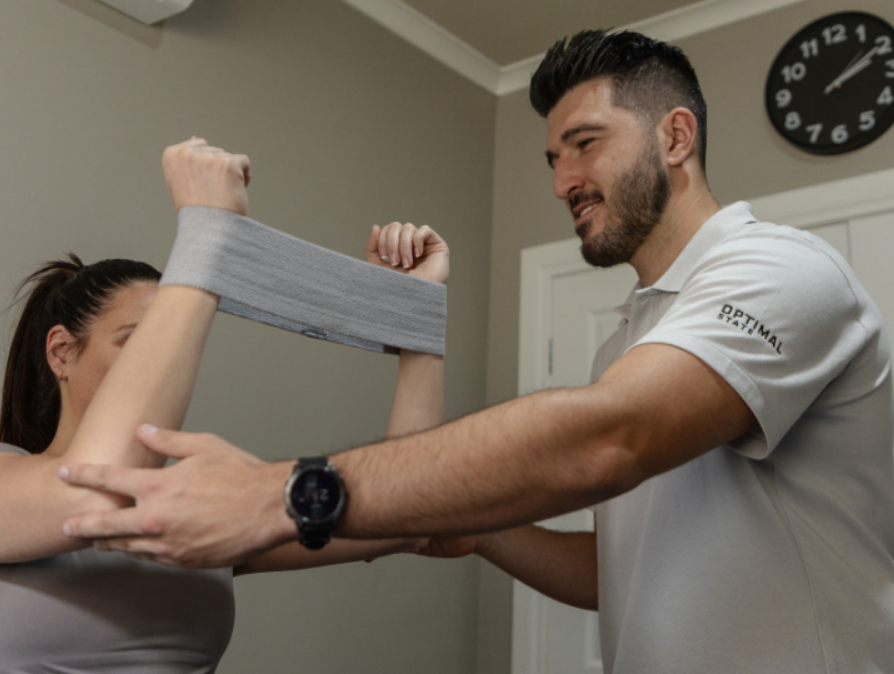
What Is Integrated Allied Health Care?
An integrated allied health clinic brings different areas of care together rather than treating each service as a completely separate option.
For example, someone with lower back pain may benefit from hands-on treatment where appropriate, followed by rehabilitation focused on strength, movement control and gradually increasing physical capacity.
The same principle can apply to a person returning to sport after an injury. Reducing pain may be an initial goal, but returning to running, lifting or sport may also require progressive strengthening, movement control and activity-specific loading.
The starting point should be the person's symptoms, relevant history, movement, physical function and goals. The practitioner can then determine whether chiropractic care, osteopathy, rehabilitation or a combination is appropriate.
If you want to understand the different roles of each service in more detail, see Chiropractic, Osteopathy & Rehabilitation: How Integrated Care Works.
How Chiropractic, Osteopathy and Rehabilitation Can Work Together
Each service can have a different role within an overall treatment plan.
Chiropractic care
Chiropractic care focuses on the musculoskeletal system, including the spine and joints. Depending on the assessment and presentation, treatment may include hands-on or manual techniques.
People may seek chiropractic care for concerns such as:
Lower back pain
Sciatica
Neck pain
Headaches
Joint stiffness
Reduced movement
Musculoskeletal discomfort
The appropriate approach depends on the person's symptoms, health history, physical assessment and goals.
Osteopathy
Osteopathy involves the assessment and management of musculoskeletal problems. Osteopaths may use hands-on techniques as part of care when appropriate for the individual's presentation.
Someone seeking osteopathic care may be dealing with:
Back pain
Neck discomfort
Sports-related problems
Joint or movement restrictions
Musculoskeletal strain
Where rehabilitation is also appropriate, exercise can form part of a broader plan to improve strength, movement and physical capacity.
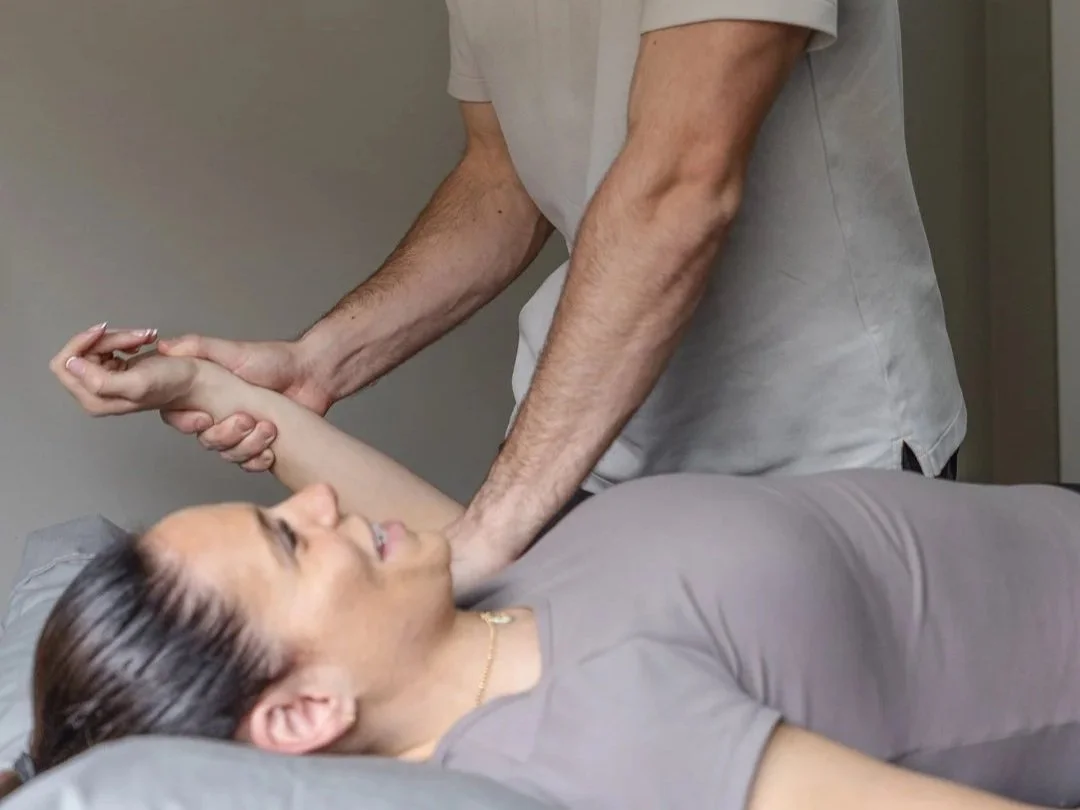
Rehabilitation
Rehabilitation focuses on rebuilding physical capacity and helping you return to the activities that matter to you.
Depending on your presentation, this may involve:
Strength exercises
Mobility work
Balance and stability
Movement control
Progressive loading
Return-to-sport exercises
Activity-specific training
A rehabilitation programme should match your current ability rather than starting with exercises that are too demanding. As strength, movement and confidence improve, exercises and loading can be progressed.
For a closer look at what this process can involve, read 'What does an integrated rehabilitation programme look like? ”
When Might Integrated Allied Health Care Be Appropriate?
Recurring lower back pain: If lower back pain keeps returning, short-term symptom management may not address everything affecting your ability to move and function. An assessment can help determine whether hands-on treatment, exercise rehabilitation or both have a role in your plan. This may be particularly relevant for people experiencing sciatica, disc bulges or what they may describe as a "slipped disc".
Neck pain and headaches: For people who spend long periods at a computer, teach, perform repetitive work or regularly look down, neck and upper-body strain can also become a recurring issue. Assessment can consider neck movement and physical function before determining whether hands-on treatment, rehabilitation or another approach is appropriate.
Wry neck: A wry neck can cause significant restriction in neck movement and make everyday activities uncomfortable. Treatment may focus on restoring comfortable movement while considering the person's overall presentation and how they are functioning.
Sports injuries: Returning to sport often requires more than simply waiting for pain to settle. Strength, mobility, movement control and progressive loading can all be important when rebuilding capacity for running, gym training, recreational sport or competition. For local information, read this next: sports injury rehabilitation in Burnside Heights.
Postural strain: Long periods at a computer or repetitive physical work can place stress on the neck, shoulders and back. Treatment can consider the physical demands of the person's work alongside their movement and rehabilitation needs.
Returning to activity after injury: After an injury, the goal is often not simply to feel better. It may be to get back to work, exercise, running, lifting or sport without immediately exceeding your current capacity. A progressive rehabilitation plan can help build that capacity in stages.
Why Assessment Should Come Before Treatment
An assessment provides a clearer picture of your current presentation before treatment begins. Pain is one part of the picture. An assessment can also consider:
Your symptoms and relevant history
Movement
Physical function
Strength and capacity
Activity demands
Your goals
Factors that may affect your recovery
This information can help the practitioner determine the most suitable approach.
It also means two people with similar symptoms may not necessarily receive the same treatment plan.
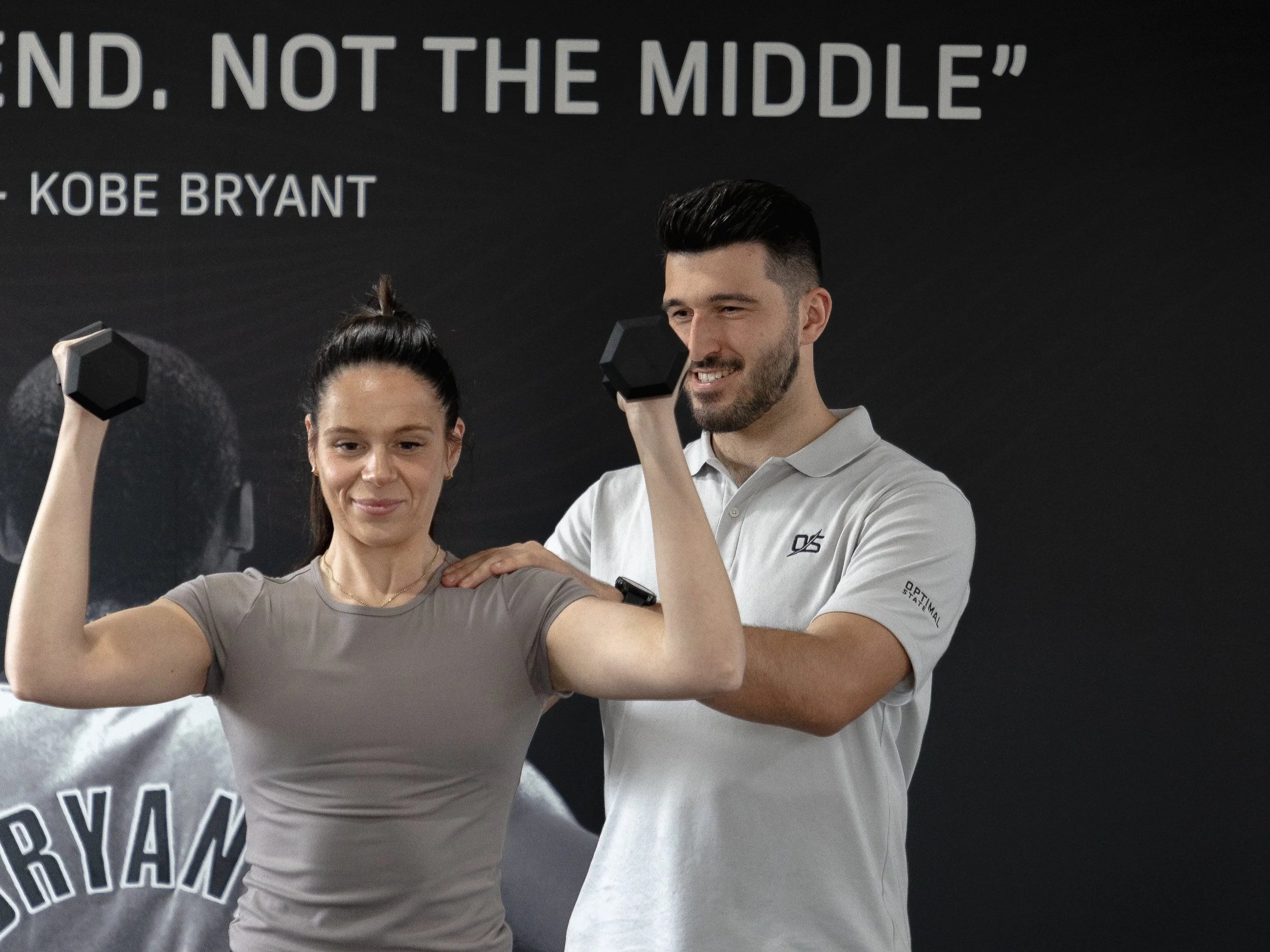
For example, two people may both have lower back pain, but one may need help returning to physical work while the other may be trying to return to running or recreational sport. Their rehabilitation needs can therefore be quite different.
If you are unsure what happens during the first appointment, make sure to read this next: what should you expect during your first allied health assessment?
What Does Integrated Care Look Like at Optimal State?
Care at Optimal State can begin with an initial assessment to understand your presentation, physical function and goals.
Depending on the findings, your plan may include chiropractic care, osteopathy, rehabilitation or a combination. A typical process may include:
Initial assessment: Your practitioner discusses your concerns and assesses relevant movement and physical function.
Treatment recommendations: The assessment findings help determine which type of care is appropriate for your presentation.
Hands-on care where appropriate: Manual techniques may form part of the treatment plan when considered suitable.
Rehabilitation when indicated: Exercises may focus on strength, mobility, stability, movement control and progressive loading.
Progress monitoring: Your response to treatment and rehabilitation helps guide the next stage of care. The plan can change as your symptoms, physical capacity and goals change.
For more information about maintaining this connection throughout recovery, read why continuity of care matters during rehabilitation.
Who Can Benefit From Integrated Allied Health Care?
Integrated care can be relevant to people with different occupations, activity levels and goals.
Someone with recurring lower back pain. A person whose back pain keeps returning may benefit from an assessment that looks beyond the immediate symptoms and considers movement, strength, work demands and activity levels.
An active adult returning to sport. For someone who wants to get back to running, gym training or recreational sport, reduced pain is only one part of the process. Rehabilitation can focus on rebuilding strength, movement control and tolerance to progressively higher loads.
An office worker with neck strain. People who spend long periods sitting at a computer may develop neck and upper-body discomfort. Treatment can consider both the physical presentation and the demands of the person's working day.
A tradesperson with musculoskeletal pain. Trades and physically demanding jobs can involve repeated lifting, bending, carrying, kneeling and awkward positions. Rehabilitation can consider these demands and work towards improving the physical capacity required for the job.
A teacher, cleaner or warehouse worker. Repetitive tasks, prolonged standing, lifting or working in fixed positions can all place different demands on the body. The treatment approach can be adjusted around the person's actual work and activity requirements rather than relying on a generic exercise programme.
Someone recovering from a sports injury. Rehabilitation can progress according to strength, movement, loading tolerance and the demands of the activity.
If you're unsure when to increase activity, how do you know when you're ready to return to sport after an injury? provides a useful framework for understanding the progression.
From Rehabilitation Back to Training
Completing rehabilitation exercises does not necessarily mean you are immediately ready to return to your normal training routine.
There can be a transition between:
Rehabilitation → increased loading → training → sport or activity
For example, someone recovering from a sports injury may first work on basic strength and movement before progressing to heavier exercises, running, change of direction or sport-specific activities.
The progression should reflect the demands of the activity you want to return to.
For more detail, read return-to-sport rehabilitation: what should a good program include and how to progress from rehabilitation exercises back to training.
Frequently Asked Questions
-
The appropriate option depends on your symptoms, relevant history, movement, physical function and goals. An assessment can help determine which type of care may be suitable.
-
Yes, when appropriate. Hands-on treatment may form part of care where indicated, while rehabilitation can focus on strength, movement, physical capacity and progressive loading.
-
Osteopathy may be appropriate for some musculoskeletal and sports-related presentations. An assessment can help determine whether osteopathic care is suitable for your particular situation.
-
Your practitioner will discuss your concerns, relevant history and goals before assessing appropriate aspects of movement and physical function. The findings help guide the recommended treatment approach.
-
A referral is not generally required to make an appointment with a chiropractor or osteopath in Australia. However, specific circumstances may require coordination with another healthcare professional.
-
There is no standard schedule that applies to everyone. Exercise frequency can depend on your current ability, presentation, goals and response to the programme.
-
Yes. Reducing symptoms and rebuilding physical capacity are not always the same thing. Depending on your goals, rehabilitation may continue to help you return to work, exercise, sport or other activities.
-
No. You do not necessarily need to decide between chiropractic, osteopathy or rehabilitation before your assessment. Your practitioner can discuss your concerns and determine what approach may be appropriate based on the assessment.
Integrated Allied Health in Burnside Heights
Persistent pain and injury can affect more than just how you feel. They can interfere with work, exercise, sport and everyday movement.
At Optimal State in Burnside Heights, chiropractic, osteopathy and rehabilitation are available within the same practice. The focus is on assessing the individual presentation and choosing an appropriate treatment and rehabilitation approach rather than applying the same routine to everyone.
This can be particularly relevant for people dealing with:
Lower back pain and recurring back pain
Sciatica and disc-related presentations
Neck pain and headaches
Wry neck
Postural strain
Sports injuries
Work-related musculoskeletal problems
Difficulty returning to activity
Optimal State is located at 19 Chifley Circuit, Burnside Heights, and provides services to people from Burnside Heights and surrounding areas, including Caroline Springs, Fraser Rise, Deanside, Hillside, Sydenham, Taylors Lakes and St Albans.
Not sure which type of care you need?
You do not need to diagnose yourself or choose a service before your first appointment.
Book an assessment with Optimal State to discuss your symptoms, goals and what you want to get back to doing.