
Chiropractic, Osteopathy & Rehabilitation in Burnside Heights: How Integrated Care Works
When pain starts affecting your movement, work, daily routine or sport, it can be difficult to know what type of care you need. You may be considering chiropractic care, osteopathy, rehabilitation, or a combination of approaches.
Integrated allied health care brings different areas of musculoskeletal care together when they are appropriate for the person's presentation and goals. Rather than automatically adding more services, the aim is to identify what you need, address the relevant physical factors and build a practical plan around your recovery.
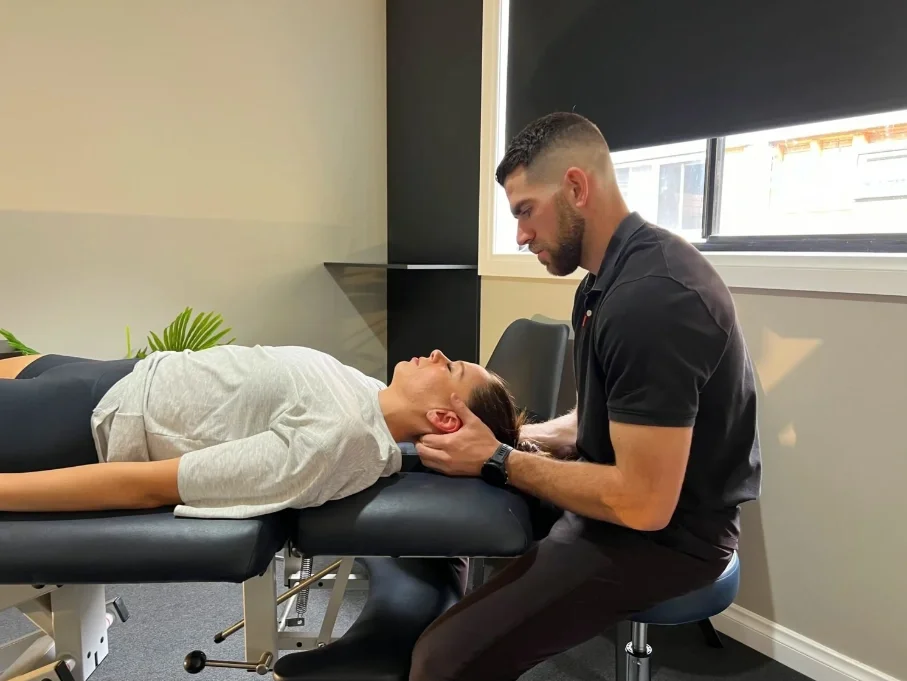
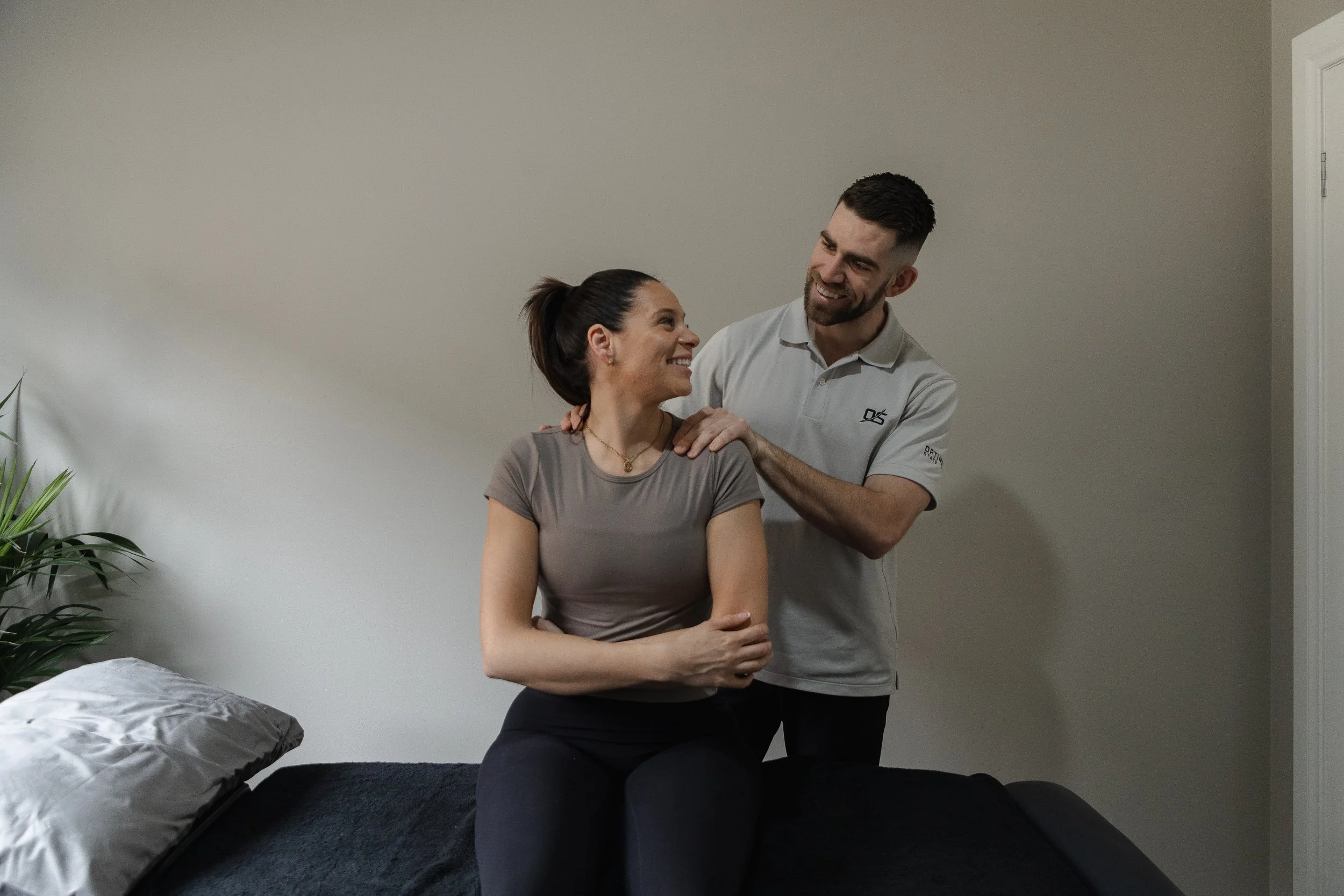
At Optimal State, this may involve chiropractic, osteopathy and rehabilitation working together. The approach can include direct hands-on treatment, targeted exercises, movement work and progressive loading depending on the assessment findings.
The goal is simple: use the right approach at the right stage so you can work towards the activities that matter to you.
If you're unsure whether this type of care is appropriate, understanding when integrated allied health may be useful can help you decide what to discuss during an assessment.
Why Different Types of Care May Be Used
Musculoskeletal problems can present differently from person to person.
Two people with lower back pain may have different symptoms, movement limitations, physical demands at work and goals for recovery. Someone working at a desk may need a different plan from a tradesperson who regularly lifts, bends and carries.
The same applies to someone who wants to return to recreational sport.
This is why an integrated approach should not mean simply receiving more treatment. Each part of the plan should have a clear purpose.
A person may initially benefit from hands-on care to address a movement restriction, followed by targeted exercise to build strength and physical capacity. Someone else may be able to begin rehabilitation exercises immediately.
The treatment approach should follow the assessment rather than a predetermined list of services.
For a closer look at this process, understanding what happens during an allied health assessment can help explain how your treatment plan is developed.
How Chiropractic Fits Into an Integrated Approach
Chiropractic care focuses on the musculoskeletal system, with particular attention to the spine and its relationship with movement and function.
A chiropractor in Burnside Heights may assess areas such as:
Spinal movement
Joint function
Muscle tension
Movement patterns
Postural strain
Physical limitations affecting daily activities
People may seek chiropractic care for presentations including:
Lower back pain
Sciatica
Neck pain
Restricted spinal movement
Musculoskeletal discomfort
Headaches associated with neck dysfunction
The approach used depends on the individual assessment. Treatment may involve hands-on techniques, movement advice, exercises or a combination of these strategies.
Chiropractic care can also form part of a broader rehabilitation plan when someone needs more than hands-on treatment alone.
How Osteopathy Fits Into an Integrated Approach
Osteopathy also takes a musculoskeletal approach. An osteopath may assess how joints, muscles, connective tissues and movement patterns interact.
This can be relevant for people experiencing issues involving the:
Neck and upper back
Lower back
Joints and soft tissues
Movement restrictions
General musculoskeletal discomfort
An osteopathic assessment can help identify areas that may be affecting how you move and function. Treatment can then be matched to your presentation, physical demands and goals.
For someone looking for an osteopath near Caroline Springs, it is worth considering not only the individual treatment but also how the care fits into the wider recovery plan.
Where Rehabilitation Fits Into Integrated Allied Health
Hands-on treatment and rehabilitation have different roles.
Rehabilitation focuses on building or regaining physical capacity. This can be particularly important when you need to return to work, exercise, sport or other physically demanding activities.
A rehabilitation programme may address:
Strength: Building the capacity required for everyday activities, work or sport.
Mobility: Developing the movement needed for specific tasks.
Load tolerance: Gradually increasing the physical demands placed on the body.
Movement capacity: Improving control and confidence during movement.
Return to activity: Progressing towards work, exercise, sport or other goals.
Rehabilitation is usually progressive. Exercises can become more challenging as your capacity improves.
For example, someone returning to a physical job may need to progress from basic movements to lifting and carrying tasks that reflect their normal duties. An athlete may need to progress from controlled exercises to running, jumping, changing direction or sport-specific drills.
For more detail, see what an integrated rehabilitation programme can look like.
Can Hands-On Treatment and Rehabilitation Be Used Together?
Yes, when both are appropriate for the individual's presentation.
A simple way to understand the relationship is:
Assessment → targeted treatment → exercise → progressive loading → return to activity
The sequence is not fixed.
Some people may benefit from hands-on treatment before introducing specific movements. Others may have enough movement to begin exercising from the start.
For example, someone with restricted movement may initially need support with joint or soft-tissue mobility. As movement improves, the focus may shift towards strength and load tolerance.
Someone else may have sufficient movement but lack the strength or capacity needed for their work or sport. Their programme may therefore focus primarily on progressive exercise.
The purpose is not to keep adding services. It is to use the most appropriate approach as your needs change.
This is also why continuity of care during rehabilitation can be useful. Your treatment and exercise plan can be adjusted as your capacity and goals develop.
How Integrated Care Can Apply to Common Presentations
1. Lower Back Pain, Sciatica and Disc-Related Symptoms
Lower back pain can affect bending, walking, sitting, lifting and exercise. Some people may also experience symptoms associated with sciatica or a disc bulge.
The appropriate approach depends on the individual's symptoms and assessment findings.
A rehabilitation plan may focus on improving strength, movement control and tolerance for everyday activities. For someone with physically demanding work, progression may eventually include lifting, bending or carrying tasks.
The plan should also consider what you actually need to get back to, whether that means working comfortably, exercising or participating in sport.
2. Neck Pain, Headaches and Wry Neck
Neck pain can develop alongside headaches, movement restrictions, sprains, strains or postural strain.
For people who spend long periods working at a computer, repetitive tasks and sustained positions may contribute to neck discomfort.
Treatment may include direct hands-on care where appropriate, alongside exercises and movement strategies designed around the individual's presentation.
The aim is not simply to improve how the neck feels during treatment. It is also to build the physical capacity needed for normal work and daily activities.
3. Sports Injuries
Returning to sport requires more than simply being able to move without obvious discomfort.
Your body may need to tolerate:
Running
Jumping
Landing
Changing direction
Lifting
Repeated movements
Sport-specific loads
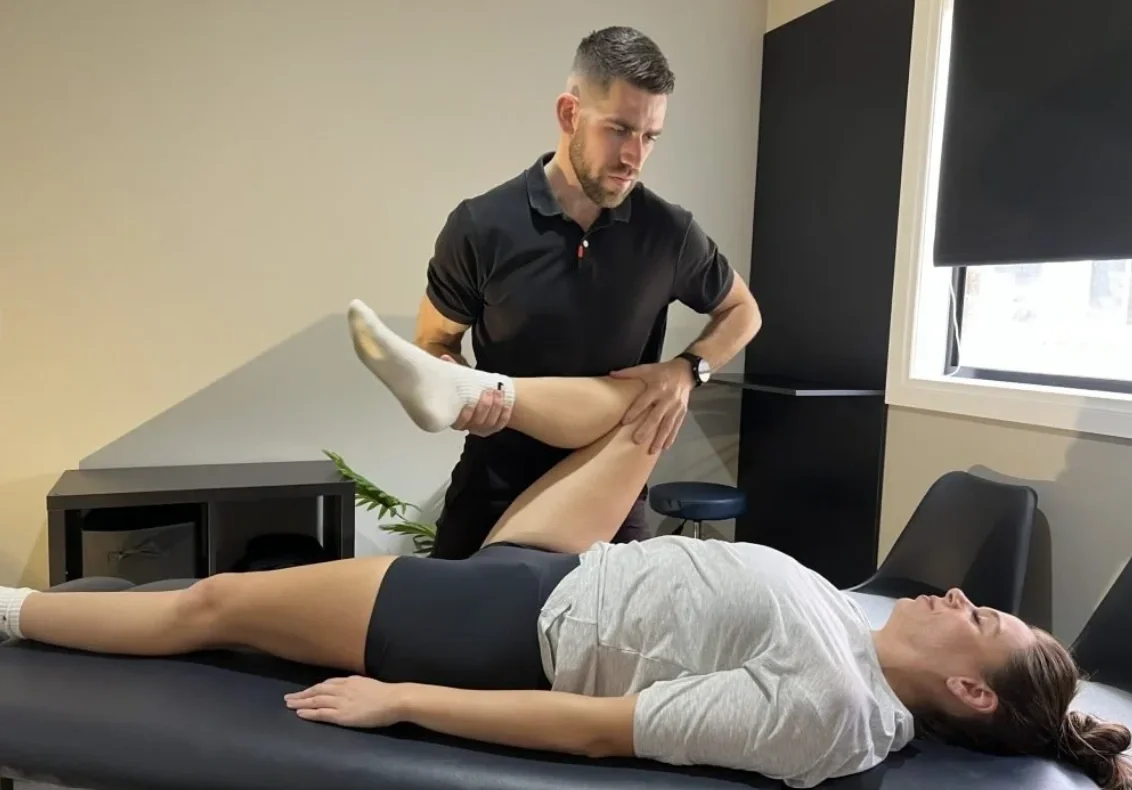
Rehabilitation can progressively introduce these demands.
Hands-on treatment may be included where appropriate, while exercise remains an important part of rebuilding physical capacity.
If you're recovering from a sports injury, our guide to sports injury rehabilitation in Burnside Heights explains more about progressing from injury towards activity.
4. Postural Strain and Desk-Related Problems
People who spend much of their day sitting, looking down at a computer or working in one position may develop neck, shoulder or back discomfort.
Rather than trying to maintain a "perfect" posture all day, the focus can be on movement variety, physical capacity and making practical changes to the demands placed on the body.
This may include:
Adjusting your workstation
Taking regular movement breaks
Building strength
Improving movement capacity
Gradually increasing tolerance for work-related activities
For office workers, teachers, receptionists and others who spend long periods at a desk, these factors can be particularly relevant.
5. Physical Work and Manual Jobs
Physical work creates different demands.
Tradespeople, machine operators and warehouse workers may need to regularly lift, carry, bend, reach, push or pull.
If pain or injury affects these activities, rehabilitation should eventually reflect the demands of the job.
Rather than stopping at basic exercises, progression may involve rebuilding the strength and load tolerance needed for normal work.
Does Everyone Need Multiple Types of Care?
No.
Integrated allied health does not mean that everyone needs chiropractic care, osteopathy and rehabilitation at the same time.
Some people may benefit from one service. Others may need a combination.
The decision should be based on:
Your presentation
Your assessment findings
Your goals
Your current physical capacity
Your work or sporting demands
How you respond as treatment progresses
For example, someone who wants to return to competitive sport may need a different rehabilitation plan from someone whose goal is simply to move comfortably through daily activities.
The right approach is not necessarily the one with the most treatments. It is the one that makes sense for your situation.
How to Choose the Right Approach
If you're comparing chiropractic, osteopathy and rehabilitation, start with the problem you want help with and what you need to get back to doing.
Consider:
What activities are currently difficult?
How long have you had the problem?
Are you trying to return to work or sport?
Do you need to rebuild strength or movement capacity?
Does your work involve lifting, repetitive movement or prolonged sitting?
Would coordinated care be useful for your situation?
An integrated allied health clinic can provide access to different areas of care within the same setting. This may make communication between practitioners easier when your needs involve more than one service.
However, the number of services available should not be the deciding factor.
Look at the assessment process, treatment approach, rehabilitation options and how the plan relates to your goals.
For more guidance, what to expect during your first allied health assessment explains how the process can help determine the most appropriate pathway.
Frequently Asked Questions
-
Not necessarily. The important consideration is whether the care is appropriate and coordinated around your needs. Having different services available in one clinic may make communication and continuity easier when more than one type of care is appropriate.
-
It may be appropriate in some situations. The decision should be based on your assessment, presentation and goals rather than assuming that using multiple services is always better.
-
There is no standard timeframe. It depends on your starting capacity, presentation, goals, activity demands and how you progress through rehabilitation.
-
Yes. Rehabilitation can progressively build the strength, movement control and physical capacity required for your sport. The programme can then become more specific as you move closer to training and competition.
For more information, see our guide to what a good return-to-sport rehabilitation programme should include.
-
Yes. Rehabilitation can be progressed towards the physical demands of your job. For example, someone working in construction, warehousing or another physically demanding role may need to rebuild lifting, carrying, bending or repetitive movement capacity.
-
Optimal State provides chiropractic, osteopathy and rehabilitation services in the Burnside Heights area. An assessment can help determine which approach or combination of services is appropriate for your presentation and goals.
Book an Allied Health Assessment in Burnside Heights
At Optimal State, chiropractic, osteopathy and rehabilitation can be considered as part of an individualised approach to musculoskeletal care.
Whether you're dealing with lower back pain, sciatica, neck pain, postural strain, a sports injury or work-related physical demands, the starting point is understanding your presentation and what you need to get back to doing.
The approach may include direct hands-on treatment, targeted exercise and progressive rehabilitation where appropriate.
You don't have to choose every service.
Contact Optimal State today and start with an assessment, discuss your goals and work out which approach makes sense for your situation.