
Spinal Decompression Near St Albans for Herniated Discs
Living with ongoing back pain can make everyday activities more difficult. If you've been diagnosed with a herniated disc, bulging disc, or slipped disc, you may be wondering whether surgery is your only option.
For many people searching for spinal decompression near St Albans, the goal is to find a conservative, evidence-informed treatment that may help reduce spinal pressure, improve mobility, and support recovery without surgery. Depending on your condition, spinal decompression may form part of a personalised treatment plan alongside manual therapy and exercise rehabilitation.
At Optimal State in Burnside Heights, we regularly assess patients from St Albans, Deer Park, Ravenhall, and surrounding suburbs experiencing lower back pain, sciatica, and disc-related conditions. In this guide, we'll explain how spinal decompression works, who may benefit, and what to expect during your assessment and recovery.
What Causes a Herniated Disc?
Herniated discs rarely occur because of one single event. In many cases, they develop gradually through a combination of age-related changes and repeated mechanical stress placed on the spine.
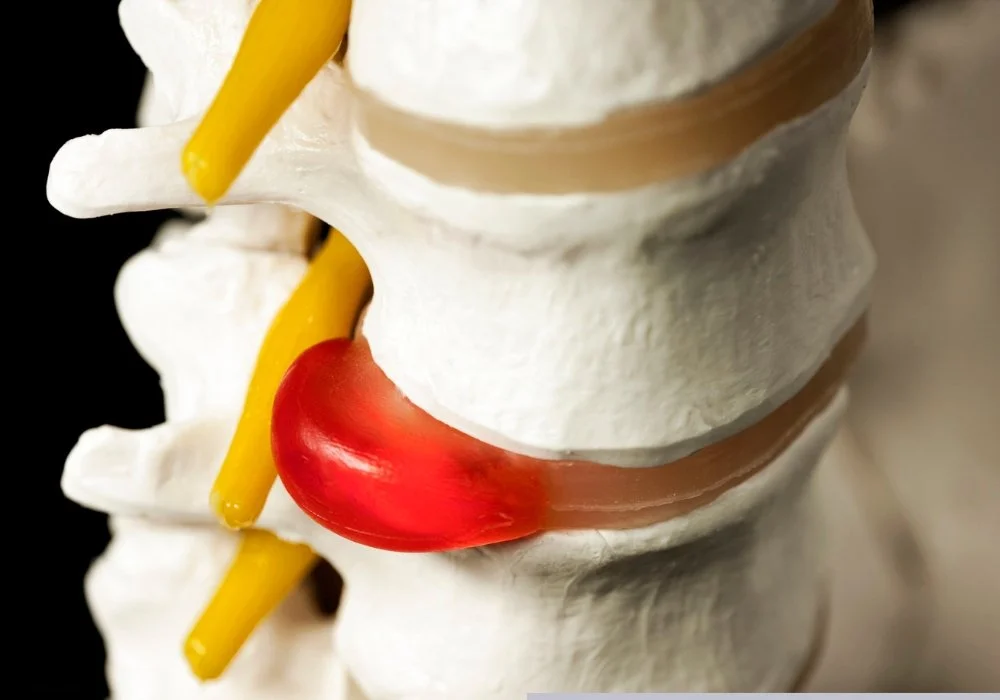
Common contributing factors include:
Repetitive lifting and carrying
Frequent bending or twisting
Prolonged sitting with poor posture
Heavy manual work
Reduced core strength
Previous spinal injuries
Age-related disc degeneration
Smoking
Repetitive sporting movements involving the lower back
For many adults, work plays a significant role in the development of spinal pain.
What Is Spinal Decompression Therapy?
If you've been researching spinal decompression near St Albans, you've likely come across spinal decompression therapy as a treatment option for herniated discs, sciatica, and persistent lower back pain. Understanding how it works can help you make a more informed decision about whether it's appropriate for your condition.
Spinal decompression is a non-surgical treatment that uses gentle, controlled traction to reduce pressure between specific segments of the spine. The aim is to temporarily unload the affected spinal structures, improve movement, and create a more favourable environment for recovery.
Spinal decompression is often used as part of a broader rehabilitation program designed to improve spinal function, restore mobility, and help you return to normal daily activities. Spinal decompression should only be recommended after a comprehensive assessment.
Conditions That May Benefit from Spinal Decompression
Following a detailed assessment, spinal decompression may be considered as part of a conservative treatment plan for several spinal conditions, including:
Herniated discs
Bulging discs
Disc protrusions
Mechanical lower back pain
Sciatica
Lumbar nerve irritation
Degenerative disc changes
Certain cases of reduced spinal mobility associated with disc dysfunction
Not everyone experiencing back pain is a suitable candidate for spinal decompression.
Your practitioner will assess your symptoms, movement patterns, neurological findings, and, where appropriate, imaging results before recommending the most appropriate treatment approach.
Who May Be Suitable for Spinal Decompression?
Spinal decompression is not appropriate for every patient. Following a comprehensive assessment, it may be considered for people experiencing:
Disc-related lower back pain
Sciatica associated with lumbar nerve irritation
Persistent spinal stiffness
Reduced mobility caused by disc dysfunction
Ongoing symptoms despite appropriate self-management
A desire to explore conservative treatment before considering surgery
Suitability depends on many factors, including your symptoms, medical history, previous injuries, activity levels, occupation, neurological findings, and overall spinal health. This is why a thorough assessment is far more valuable than selecting a treatment based solely on an internet search or MRI report.
Signs You May Need a Professional Assessment
Not all back pain is caused by a herniated disc. Muscle strains, joint dysfunction, arthritis, spinal stenosis, and other musculoskeletal conditions can produce similar symptoms. Because treatment depends on the underlying cause, obtaining an accurate diagnosis is one of the most important steps towards recovery.
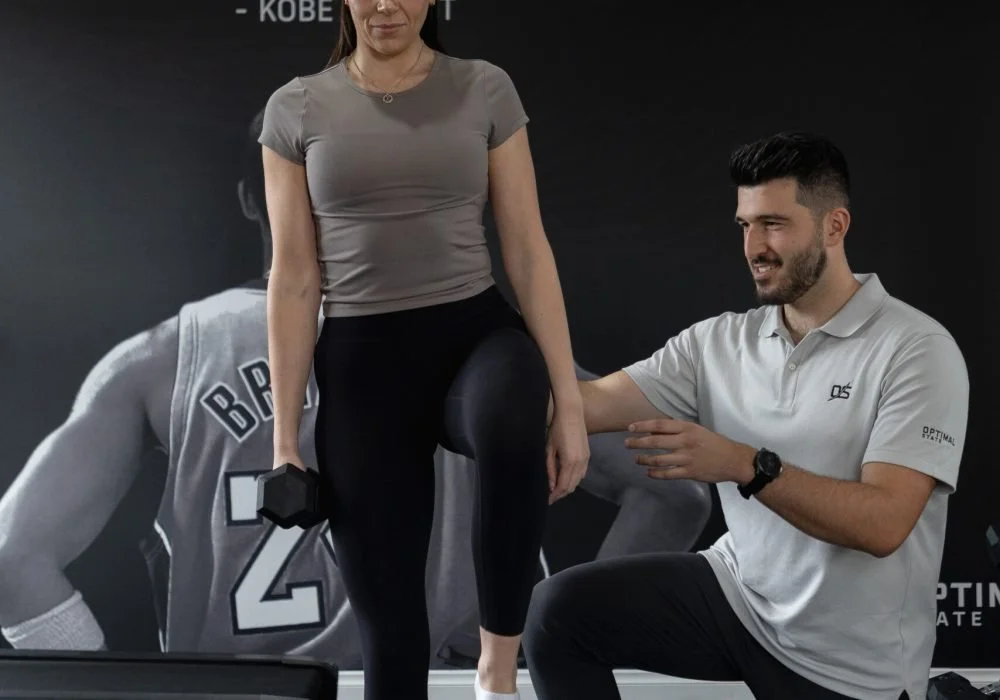
If you're searching for spinal decompression near St Albans, don't assume spinal decompression is automatically the right treatment. A comprehensive assessment should always come first.
You may benefit from a professional spinal evaluation if you experience:
Lower back pain lasting more than a few weeks
Pain that radiates into the buttock or leg
Sciatica symptoms such as burning, tingling, or numbness
Pain that worsens when sitting, bending, lifting, or coughing
Recurrent episodes of back pain
Reduced spinal mobility
Difficulty walking or performing everyday activities
Muscle weakness affecting the leg or foot
Symptoms that interfere with work, exercise, or sleep
Many of the patients we assess have continued working despite their symptoms for weeks or even months before seeking professional advice. Early assessment may help identify the source of your pain sooner and guide appropriate conservative management.
When Should You Seek Urgent Medical Attention?
Although most episodes of lower back pain respond well to conservative care, some symptoms require immediate medical assessment.
Seek urgent medical attention if you experience:
Sudden loss of bladder or bowel control
Numbness around the groin or saddle area
Significant or rapidly worsening weakness in one or both legs
Severe back pain following a major fall or motor vehicle accident
Persistent fever together with severe spinal pain
Unexplained weight loss accompanied by ongoing back pain
Severe pain that progressively worsens despite appropriate care
These symptoms may indicate a more serious medical condition requiring prompt investigation.
If you're unsure whether your symptoms require urgent assessment, seek advice from an appropriate healthcare professional as soon as possible.
Why Patients from St Albans Choose Optimal State
Although our clinic is located in Burnside Heights, we regularly welcome patients from St Albans, Deer Park, Ravenhall, and surrounding western Melbourne suburbs.
Many choose our clinic because they are looking for a thorough assessment rather than a one-size-fits-all treatment approach.
Our patients commonly include:
Tradespeople with repetitive lifting injuries
Warehouse and logistics workers experiencing lower back strain
Machine operators with persistent spinal stiffness
Teachers with neck and lower back pain
Office workers and receptionists affected by prolonged sitting and postural strain
Cleaners experiencing repetitive bending and lifting injuries
Our treatment philosophy focuses on identifying the structural and mechanical factors contributing to your symptoms before developing an individualised management plan.
Rather than treating everyone the same way, we aim to understand how your spine moves, what activities aggravate your symptoms, and what strategies will best support your recovery and long-term function.
This personalised, movement-focused approach helps many patients return to work, sport, and everyday life with greater confidence.
What Happens During a Spinal Decompression Appointment?
Knowing what to expect before your first appointment can help you feel more confident about seeking care.
At Optimal State, every patient begins with a comprehensive assessment. Rather than recommending the same treatment for everyone, we first identify the factors contributing to your symptoms and determine whether spinal decompression is an appropriate part of your management plan.
During your initial consultation, your practitioner may:
Discuss your current symptoms and medical history
Ask about your occupation, hobbies, and daily activities
Assess your posture and spinal movement
Evaluate muscle strength, flexibility, and neurological function
Perform orthopaedic and functional movement testing
Review previous imaging, such as MRI or CT scans, if available
This assessment helps us understand not only where your pain is coming from, but also why it developed and what may be preventing it from improving.
Our goal is to ensure you understand your condition and feel confident about the recommended treatment approach.
Frequently Asked Questions
-
Spinal decompression may help some people with herniated discs by reducing mechanical stress on affected spinal structures and supporting improved movement. Suitability depends on your symptoms, assessment findings, and overall spinal health. A comprehensive assessment is essential before treatment begins.
-
Not necessarily. Spinal decompression and surgery have different roles.
For many people without significant neurological deficits, conservative care is recommended before surgery is considered. However, some patients with severe nerve compression or progressive neurological symptoms may require surgical assessment.
-
If your sciatica is related to irritation of the lumbar spine, spinal decompression may form part of an appropriate conservative treatment plan.
Because sciatica can have several underlying causes, a professional assessment is necessary to determine the most suitable treatment.
-
Not always. Many people can be assessed and begin conservative treatment without immediate imaging.
If your symptoms suggest significant nerve involvement, fail to improve, or require further investigation, your practitioner may recommend an MRI or other imaging studies.
-
Treatment programs vary depending on the individual. Your practitioner will recommend a management plan based on your diagnosis, symptom severity, functional goals, and response to treatment rather than following a predetermined number of visits.
-
Most patients describe spinal decompression as gentle and comfortable. Treatment is carefully adjusted according to your condition and comfort level. If you experience discomfort during a session, your practitioner can modify the treatment accordingly.
Why Choose Optimal State?
If you're looking for spinal decompression near St Albans, choosing the right healthcare provider is just as important as choosing the right treatment.
At Optimal State, our focus is on providing personalised, evidence-informed care that addresses the underlying mechanical factors contributing to your symptoms.
Patients from St Albans, Deer Park, Ravenhall, Burnside Heights, and surrounding suburbs choose us because we offer:
Comprehensive assessments before treatment begins
Individualised management plans based on your condition and goals
A practical, movement-focused approach to recovery
Exercise rehabilitation to support long-term results
Clear explanations so you understand your diagnosis and treatment options
Care that considers your work, lifestyle, sporting activities, and everyday demands
Whether you're a tradesperson managing years of physical work, an office worker experiencing postural strain, or someone wanting to return to an active lifestyle, our goal is to help you move with greater confidence and function.
Take the Next Step Towards Better Spinal Health
Living with persistent back pain, sciatica, or a herniated disc can make everyday tasks feel more difficult than they should.
The good news is that many people improve with appropriate conservative care. An early assessment can help identify the cause of your symptoms, determine whether spinal decompression near St Albans is appropriate for your condition, and guide you towards the most suitable treatment pathway.
If you're experiencing ongoing lower back pain, leg pain, or symptoms suggestive of a disc injury, our team at Optimal State is here to help.
Book a comprehensive assessment to discuss your symptoms, understand your treatment options, and receive a personalised management plan designed to improve movement, support recovery, and help you get back to doing the things you enjoy.