
Osteopath Near Sydenham for Chronic Pain & Sports-Related Injuries
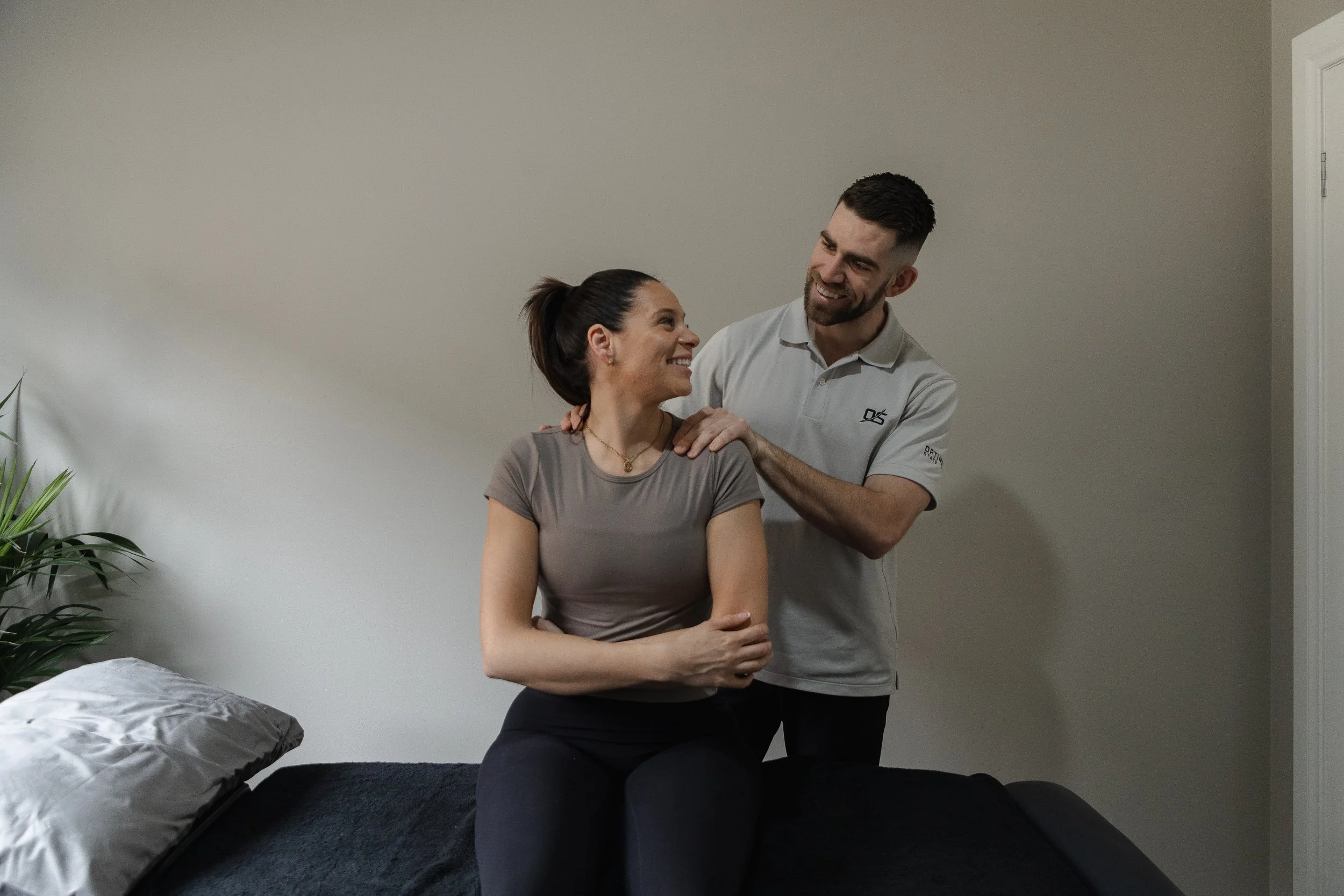
Chronic pain and musculoskeletal injuries are among the most common reasons people seek an osteopath near Sydenham. In Melbourne’s western suburbs, patients frequently present with lower back pain, neck pain, and postural strain, often linked to work demands, sport, or repetitive loading over time.
For many individuals aged in their 40s to 50s, these issues begin to affect work performance, mobility, sleep quality, and overall quality of life. Osteopathy provides a direct, structural approach to assessing and treating these problems by focusing on how the body moves, loads, and compensates.
This guide explains the most common presentations we see in Sydenham patients, how osteopathy works, and what you can expect from treatment.
Who Commonly Seeks an Osteopath in Sydenham?
In practice, most patients presenting with musculoskeletal pain fall within the 40–50-year age bracket, give or take a few years. This is often a stage of life where accumulated strain from work, sport, and lifestyle begins to surface more noticeably.
Female patients commonly include office workers, teachers, receptionists, and cleaners. These roles often involve long periods of standing or sitting, repetitive movements, and sustained postures that contribute to neck pain, shoulder tension, and lower back strain.
Male patients frequently include tradespeople, machine operators, warehouse workers, and teachers. These occupations typically involve lifting, bending, repetitive loading, or prolonged physical effort, which can lead to back injuries, disc irritation, and muscular fatigue.
Across both groups, symptoms often build gradually rather than appearing suddenly, reflecting long-term mechanical stress rather than a single injury event. If you’re unsure which practitioner is right for your condition, you may find our comparison helpful: Chiropractor vs Osteopath vs Physio for Sports Injuries.
Common Conditions Seen by Our Osteopath Near Sydenham
Patients typically present with a combination of work-related strain, sports injuries, and age-related mechanical stress.
Lower Back Pain: The most common presentation, including sciatica, disc bulge / disc irritation, recurrent lower back tightness, and lifting-related injuries (work or gym).
Neck Pain: Neck pain is often linked to headaches, desk posture strain, and repetitive work patterns. You can read more about this in our guide on upper back and neck pain treatment near Sydenham.
Postural & Load-Related Strain: Mid-back stiffness, shoulder tension from repetitive tasks, reduced spinal mobility, and muscle fatigue from sustained positions.
Sports & Activity-Related Injuries: Gym injuries, running overload, and weekend sport strains are common, especially when training load increases quickly or recovery is limited. For more detail, see our article on sports injuries and active rehabilitation near Delahey.
Why These Injuries Develop Over Time
Most musculoskeletal pain does not come from a single cause. Instead, it develops gradually through repeated loading, reduced recovery, and mechanical compensation patterns within the body.
For example:
Office workers develop neck pain from prolonged flexed posture
Tradesmen develop lower back pain from repeated lifting and twisting
Athletes develop overload injuries from training intensity without recovery
These patterns often worsen when underlying movement issues are not addressed early. If you want to understand early warning signs, see our guide on red flags before booking an osteopath near Caroline Springs.
What an Osteopath Near Sydenham Actually Does
Osteopathy takes a direct, structural approach to assessment and treatment. Rather than focusing only on where pain is felt, the goal is to understand why the body is under strain in the first place.
A consultation typically involves the following:
Postural and movement analysis
Joint mobility testing
Muscle strength and control assessment
Load and injury history review
Work and sport-specific strain evaluation
Treatment is tailored to address mechanical restrictions, improve movement efficiency, and reduce load on irritated tissues. The aim is not only pain relief but also improved function and reduced recurrence.
How Osteopathy Helps Chronic Pain & Injuries
Osteopathy is commonly used as part of a broader approach to managing chronic musculoskeletal pain and sports-related injuries. It is most effective when combined with movement-based rehabilitation and education.
Treatment may help reduce muscle tension, improve joint mobility, and restore more efficient movement patterns. This can decrease mechanical stress on painful areas and improve overall function in daily life, work, and sport.
Clinical guidelines for conditions such as lower back and neck pain support the use of manual therapy alongside exercise-based rehabilitation, particularly when symptoms are persistent or recurring.
Our Treatment Approach: Direct & Structural
Our approach to osteopathy is focused, hands-on, and structural. Rather than relying on generalised treatment, the aim is to identify the specific mechanical drivers of pain and address them directly.
At Optimal State, we aim to:
Identify the exact mechanical cause of pain
Treat restricted joints and overloaded tissues directly
Restore movement efficiency
Rebuild strength and load tolerance
For many patients, this approach is particularly effective for disc-related back pain, persistent neck stiffness, and sports or work-related injuries that have not fully resolved. The emphasis is always on improving how the body functions under actual demands, whether that be at work, in the gym, or during daily activities.
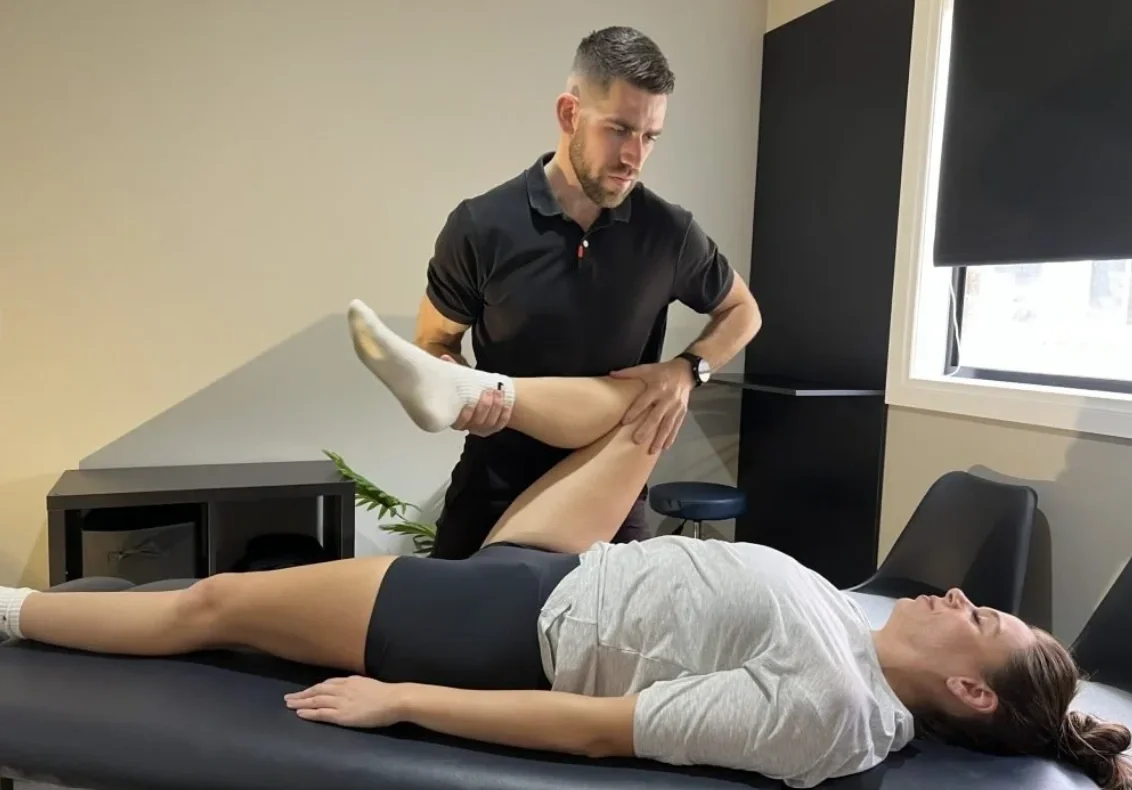
Osteopathic Techniques Used
Treatment is selected based on injury type and sensitivity level:
Soft Tissue Therapy: Targets tight or overworked muscles to reduce tension and improve blood flow.
Joint Mobilisation: Improves stiffness and restricted movement in the spine and limbs.
Muscle Energy Techniques: Active techniques to restore joint alignment and mobility.
Spinal & Peripheral Articulation: Improves mechanical movement in restricted areas.
Functional Rehabilitation: Movement-based correction to improve load tolerance and prevent recurrence.
Sports & Load-Based Injuries in Sydenham Patients
A significant proportion of patients seeking an osteopath near Sydenham are dealing with load-related injuries rather than single traumatic events. These often develop in the gym, at work, or through repetitive daily activities.
Some patients notice their back tightening after lifting, while others experience recurring neck stiffness after long days at a desk. In active individuals, symptoms may appear after increases in training intensity or reduced recovery between sessions.
These presentations often reflect a mismatch between physical demand and recovery capacity rather than structural damage alone.
For a deeper look at how sports injuries develop in nearby suburbs, see: Common sports injuries in Burnside Heights.
Patient Experiences
Real patient experiences highlight the importance of detailed assessment and structured rehabilitation.
“Matty and Stef have been the best osteo/rehab experience I've had in my lifetime. Their attention to detail and the little gym area available to clients, these guys are the real deal. You learn a lot from the boys and can absolutely trust them to get you back on track. Plus Archie the pup makes it feel like an extra safe place.” — Meri Dimovska
“Have been seeing Dr Matthew Holland, osteopath, for a long time now. Matt is very knowledgeable and takes the time and care with what is needed to help. Highly recommend seeing him.” — Jeanette Knezevic
Dr. Matthew Holland is a co-founder, director, and principal osteopath with extensive experience in musculoskeletal and rehabilitation-based care.
He holds qualifications including a Bachelor of Health Science, Bachelor of Applied Science (Osteopathy), and Bachelor of Biomedical Health Science (Honours). He is also certified in Functional & Kinetic Treatment with Rehabilitation (FAKTR) and Functional Neuro-Orthopaedic Rehabilitation (FNOR).
How Many Sessions Are Needed?
The number of sessions required depends on the severity and duration of symptoms, as well as lifestyle and occupational demands. Some patients experience improvement within a few visits, particularly for acute issues, while chronic or long-standing conditions often require a more structured and gradual approach.
Typical phases:
1. Pain reduction phase: Improve movement and reduce irritation
2. Recovery phase: Restore strength and function
3. Performance/maintenance phase: Prevent recurrence
Chronic or long-standing injuries typically require a longer-term structured plan.
Access to a local osteopath in Sydenham plays an important role in recovery, particularly for chronic or recurring conditions. Consistency of care allows for better monitoring of progress and more effective long-term management.
It also ensures treatment is aligned with local lifestyle demands, whether that involves physically demanding work, long commuting hours, or sedentary office-based routines common in Melbourne’s western suburbs.
Frequently Asked Questions
-
Lower back pain (including disc injuries and sciatica), neck pain, headaches, postural strain, and sports-related injuries.
-
Yes. It is commonly used for gym injuries, running overload, and sports-related strains by improving movement and reducing load stress.
-
Osteopathy may assist in reducing mechanical irritation and improving mobility depending on severity and cause.
-
Some patients improve within a few sessions, while chronic or load-related injuries may require longer-term care.
-
Not usually. Imaging is only required if clinically indicated.
Managing Pain in Sydenham
Musculoskeletal pain in Sydenham is commonly driven by a combination of work demands, sport, posture, and accumulated mechanical load, particularly in adults aged 40–50.
Osteopathy provides a direct, structural, and hands-on approach to assessing and treating these conditions, with a strong focus on restoring movement, reducing strain, and preventing recurrence.
For those searching for an osteopath near Sydenham, early assessment and consistent treatment can make a significant difference in long-term pain management and functional recovery.