
Chiropractor vs Osteopath vs Physio: A Guide for Sports Injuries in Burnside Heights
A strong sporting culture means injuries are almost unavoidable. Whether you’re a recreational runner, AFL player, or gym enthusiast, you might be wondering: should I see a physiotherapist, chiropractor, or osteopath for my injury? While all three professions treat musculoskeletal conditions, their methods and philosophies differ. Choosing the right professional early can improve recovery, reduce re-injury risk, and help you return to sport stronger.
Why Comparing Sports Injury Care Matters in Burnside Heights
Sports injuries don’t just cause physical discomfort; they can disrupt training, competition, and everyday life. Athletes in Burnside Heights and nearby suburbs often search for specialists who offer:
Structured exercise rehabilitation treatment
Hands-on care for pain relief and mobility
Clear recovery plans and timelines
Mismatched care may reduce pain temporarily but fail to address underlying movement patterns, increasing the chance of re-injury. Early assessment and the right treatment approach are crucial for efficient, long-term recovery.
Physiotherapy for Sports Injuries
Physiotherapists assess movement dysfunction and design exercise-based rehabilitation programs. They aim to restore:
Strength and flexibility
Coordination and joint stability
Movement efficiency to prevent recurrence
Physiotherapy is particularly effective for acute injuries, post-surgery recovery, or athletes needing structured return-to-sport programs.
Techniques Used
Progressive, sport-specific exercise programs
Manual therapy, soft tissue work, and dry needling
Taping, mobility drills, and posture correction
Common Sports Injuries Treated
Muscle strains and ligament sprains
Post-surgical rehab
Overuse injuries requiring movement retraining
Chiropractic Care for Sports Recovery
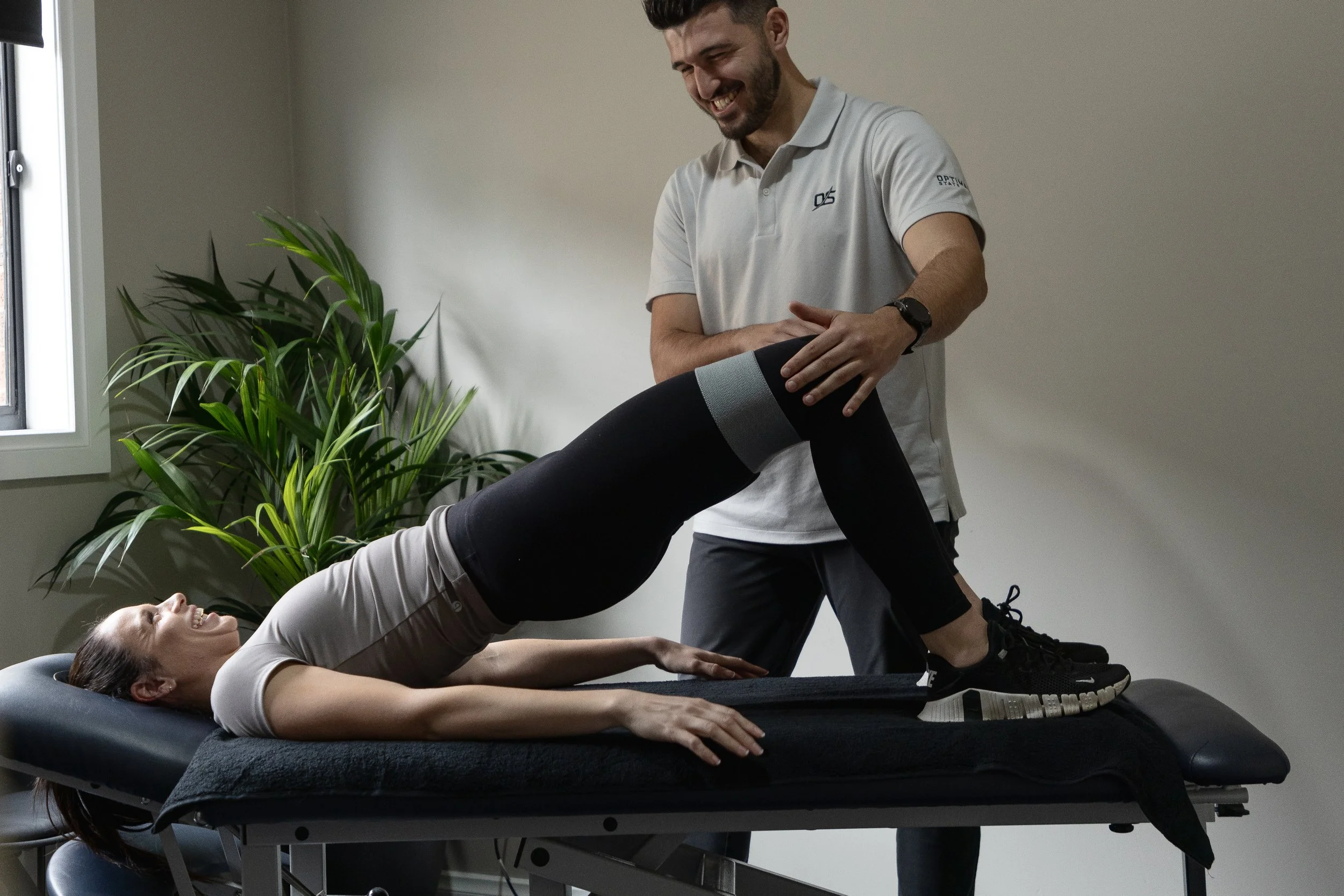
Chiropractors focus on spinal and joint alignment to improve nervous system efficiency, balance, and coordination. For athletes, this can enhance:
Force transfer during running or jumping
Postural stability
Recovery from repetitive impact injuries
Techniques Used
Spinal and joint adjustments
Postural screening and correction
Supportive mobility exercises integrated with rehab programs
Sports Injuries That Respond Well
Lower back pain and stiffness
Neck pain chiropractic issues
Posture-related or impact injuries from AFL, running, or gym training
Comparing Physiotherapy, Chiropractic, and Osteopathy
| Feature | Physiotherapy | Chiropractic | Osteopathy |
|---|---|---|---|
| Focus | Exercise rehabilitation & active recovery | Spinal alignment & joint mechanics | Whole-body balance & mobility |
| Techniques | Manual therapy, dry needling, exercises | Spinal/joint adjustments, posture correction | Soft tissue manipulation, joint mobilisation |
| Best for | Acute injuries, post-surgery, return-to-sport | Back/neck pain, posture issues, repetitive impact | Chronic strains, training overload, complex injuries |
| Recovery Goal | Restore strength, mobility, and movement patterns | Improve spinal mechanics & performance | Restore balance and prevent recurring discomfort |
Choosing the Best Sports Injury Clinic in Burnside Heights
When comparing chiropractor vs physio vs osteopath, consider:
Experience & Specialisation: Clinics skilled in sports injury rehab, AFL, running, and gym-related injuries
Treatment Approach: Hands-on care, structured exercises, or a combination of therapies
Patient-Centered Care: Clear recovery plans, home exercises, progress tracking
Accessibility: Location, session availability, private health rebates
Check what our clients say: real stories from patients at Optimal State to see experiences from athletes just like you.
Frequently Asked Questions
-
There is no single “best” option. Physiotherapy is often ideal for acute injuries and structured exercise rehabilitation treatment. A sports injury chiropractor is effective for spinal-related pain and repetitive impact injuries. Osteopathy sports injury care may suit chronic or complex conditions involving multiple body regions.
-
For back pain linked to movement weakness or recent injury, physiotherapy may be suitable. For spinal stiffness, posture-related discomfort, or neck pain chiropractic concerns, chiropractic care can be effective. Some athletes benefit from combining both approaches depending on the cause of pain.
-
Yes. An osteopath for back pain often assesses how the spine, hips, and surrounding muscles interact. Osteopathy can be helpful for athletes with long-term discomfort, mobility restrictions, or recurring pain linked to training overload.
-
Yes. Chiropractic care for recovery focuses on improving spinal alignment, joint movement, and biomechanical efficiency. This can support faster recovery, better movement quality, and reduced injury risk, especially in sports involving repetitive loading.
-
No. While exercise is central, physiotherapists also use manual therapy, dry needling, taping, and mobility work. The goal is to restore strength and function while preventing re-injury, making physios key injury rehab specialists for many athletes.
-
Yes. Many athletes use a multidisciplinary approach. For example, physiotherapy for rehab progression, chiropractic for spinal mechanics, and osteopathy for mobility restrictions. Coordinated care can improve outcomes when each role is clearly defined.
-
Early assessment is recommended if pain persists, movement is restricted, or performance declines. Prompt care from the right professional improves recovery speed and reduces the risk of chronic injury.
Take Control of Your Recovery and Return to Sport Stronger
Ongoing pain, restricted movement, or repeat injuries often signal that the underlying cause hasn’t been addressed. A professional assessment helps identify the most effective treatment approach, whether that involves physiotherapy, chiropractic care, osteopathy, or a combination of all three.
Working with an experienced injury rehab specialist supports faster recovery, reduces re-injury risk, and restores confidence in your movement, so you can return to sport safely and perform at your best.
Disclaimer: This guide is for educational purposes and does not replace professional medical assessment. Always consult a qualified healthcare provider for personalised advice.