
Chiropractic Care Near Hillside: Lower Back Pain, Neck Pain & Sports Injuries
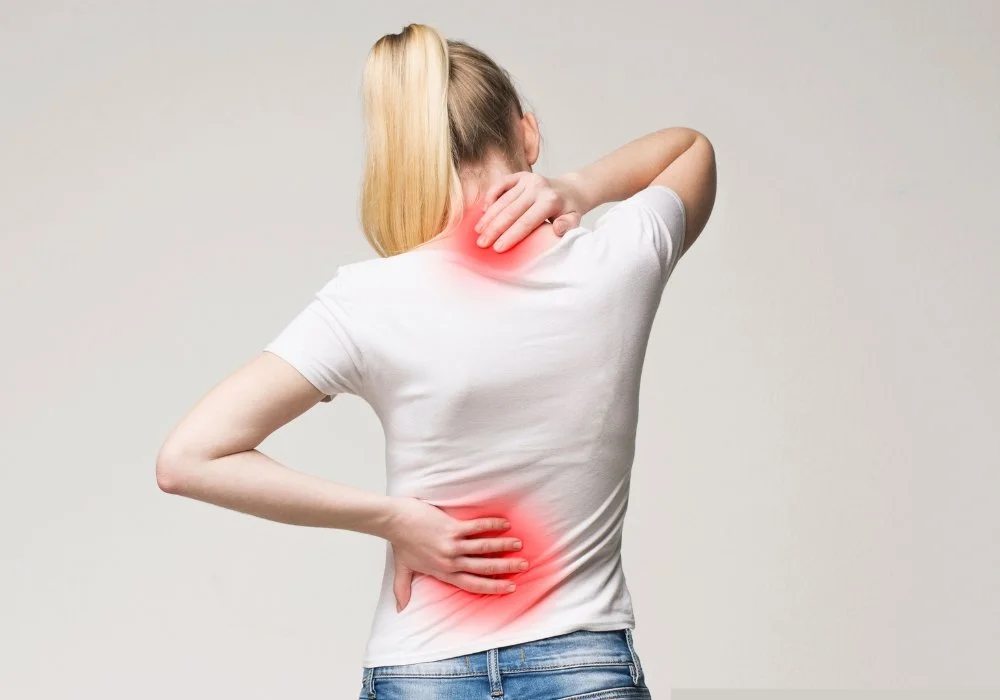
If you are experiencing ongoing back pain, neck pain, headaches, or sports-related injuries, Optimal State’s chiropractic care provides structured, hands-on chiropractic treatment focused on identifying and correcting the underlying mechanical cause of your symptoms.
Our clinic sees a wide range of musculoskeletal conditions, with most patients presenting after their pain has started affecting their work, sleep, or ability to stay active.
Treatment is led by experienced chiropractors, including Dr. Stefan De Pietro (Chiropractor), co-founder and principal chiropractor, who focuses on direct, structural care aimed at improving spinal function and long-term movement capacity.
Contact: Stefan@optimalstate.com.au
What We Commonly See in Chiropractic Care Near Hillside
At Optimal State, most patients looking for chiropractic care near Hillside are typically within the 40–50-year age range (plus or minus a few years). This is a stage of life where cumulative physical stress, occupational demands, and early degenerative changes often begin to show up as persistent musculoskeletal pain.
Rather than isolated injuries, most presentations are the result of repeated loading over time, whether from work, sport, or posture-related strain.
The most common conditions we see include:
Lower back pain, often involving disc irritation or sciatica
Neck pain associated with headaches, stiffness, or acute “locked neck” episodes
Postural strain from long-term occupational or sedentary loading
Sports and gym-related injuries layered on top of existing mechanical stress
These conditions rarely occur in isolation. They usually develop over time due to repetitive loading patterns, workplace demands, and reduced recovery capacity.
For a deeper look at how sports and active lifestyles contribute to these conditions, you can read our related article on sports injury chiropractic care for active recovery.
Lower Back Pain: Sciatica, Disc Bulges & “Slipped Disc” Conditions
Lower back pain is by far the most common reason people seek chiropractic care near Hillside at Optimal State.
In many cases, the underlying issue involves mechanical stress within the lumbar spine, including disc irritation (commonly referred to as a “slipped disc”), joint restriction, or nerve involvement such as sciatica.
Sciatica, in particular, is one of the most common presentations. It occurs when irritation or compression affects the sciatic nerve, leading to pain that can travel from the lower back into the buttock, hip, or down the leg.
Patients often describe:
Sharp or shooting pain when bending, lifting, or twisting
Radiating discomfort into the leg or foot
Tingling, numbness, or nerve-like sensations
Significant stiffness after sitting, driving, or inactivity
This presentation is common in both manual workers (trades, warehousing, machine operation) and office workers who experience prolonged sitting and reduced spinal movement.
To understand how lower back pain develops and is managed in detail, see our article on lower back pain treatment near Caroline Springs.
Chiropractic care in these cases focuses on improving spinal mechanics through direct, structural chiropractic adjustments, reducing joint restriction and improving movement efficiency to relieve mechanical stress on affected discs and nerves.
Neck Pain: Headaches, Wry Neck & Postural Strain
Neck pain is another extremely common presentation, often linked to both acute strain injuries and long-term postural overload.
One of the more acute conditions seen is wry neck, where patients experience a sudden onset of restricted neck movement, often waking up with significant stiffness and pain. Other presentations include cervicogenic headaches, muscle strain, and ligament irritation.
Many cases develop gradually from modern lifestyle habits, particularly prolonged screen use and repetitive postural loading.
Common symptoms include:
Stiffness and restricted neck movement
Headaches starting from the base of the skull or upper neck
Tightness across the shoulders and upper back
Pain or discomfort after long periods of sitting or computer use
We commonly see this in:
Office workers and reception staff spending long hours at computers
Teachers who frequently look down at marking, books, or devices
Cleaners performing repetitive bending and overhead movements
Trades and manual workers with repetitive head and shoulder positioning
Neck pain is assessed not just at the site of discomfort but through a full evaluation of spinal mechanics, posture, and movement patterns to identify the underlying structural cause.
Postural Strain: Occupational Loading Over Time
Postural strain is one of the most underestimated contributors to musculoskeletal pain. It does not usually appear suddenly; instead, it builds gradually through repeated daily stress on the spine.
In modern work environments, we commonly see two broad patterns: prolonged static posture and repetitive physical loading. Both place different types of stress on the musculoskeletal system, but over time they can lead to similar outcomes: stiffness, fatigue, reduced mobility, and pain.
High-risk occupational groups include:
Office workers and administrators with prolonged sitting and screen use
Receptionists with sustained neck and shoulder positioning
Cleaners who repeatedly bend, twist, and lift throughout the day
Teachers who alternate between standing, looking down, and repetitive marking tasks
Tradesmen involved in manual handling, lifting, and rotational load
Warehouse and machine operators exposed to repetitive force and vibration
These patterns often contribute to forward head posture, rounded shoulders, and increased load on the lower back. Over time, this leads to reduced spinal efficiency and increased mechanical stress on joints and supporting muscles.
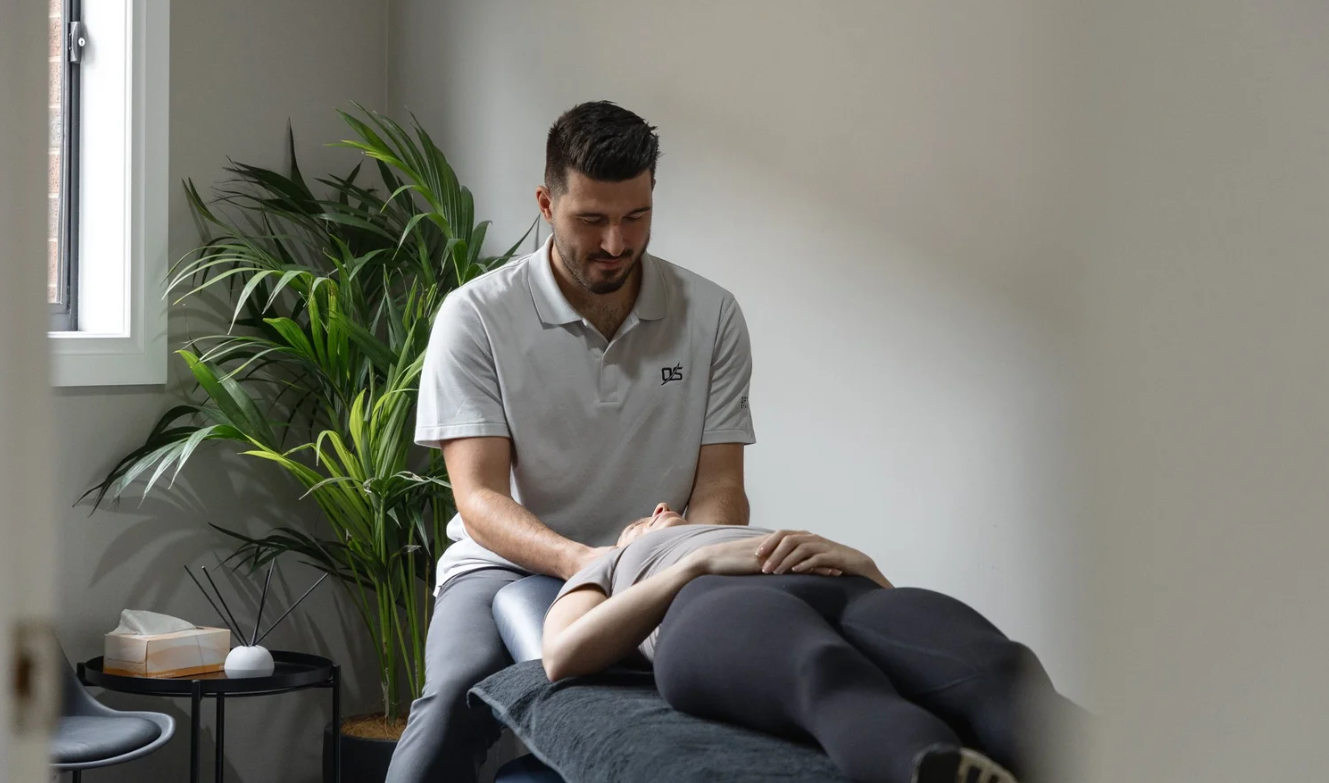
Sports & Load-Related Injuries
Alongside occupational strain, many patients also present with sports or gym-related injuries.
These are particularly common in individuals who remain active in their 40s and 50s, where training is maintained but recovery capacity and tissue tolerance may have changed over time.
We commonly see:
Muscle strains in the back, hamstrings, or shoulders
Ligament sprains from sudden movement or overload
Overuse injuries from repetitive training or poor load progression
Joint irritation following sudden increases in activity or intensity
Choosing the right practitioner for these conditions is important. You can learn more about what to consider when selecting a practitioner in our guide on things that matter when choosing a sports chiropractor.
Sports injuries are especially common in active individuals in their 40s–50s, where training loads remain high but recovery capacity may be reduced.
Disc Injuries & Degenerative Spinal Changes
Disc-related conditions such as bulges or degenerative changes are commonly seen in patients experiencing long-term spinal loading. These changes can contribute to ongoing lower back pain, stiffness, and sometimes nerve-related symptoms such as sciatica.
While disc changes are often associated with ageing and cumulative stress, symptoms are typically driven by how the spine is moving and functioning rather than imaging findings alone.
Our focus is on improving spinal motion, reducing joint restriction, and restoring more balanced mechanical loading through the affected regions.
Headaches Linked to Neck Dysfunction
A significant proportion of headaches seen in the clinic are mechanically related to the neck rather than originating in the head itself.
These headaches are commonly associated with:
Restricted movement in the upper cervical spine
Muscle tension through the neck and shoulders
Postural strain from prolonged screen or desk use
Patients often report improvement when neck mobility and spinal function are addressed as part of treatment.
Our Treatment Approach: Direct & Structural Chiropractic Care
At Optimal State, our chiropractic care approach is intentionally direct and structural.
Rather than focusing solely on symptom relief, we assess how the spine and musculoskeletal system are functioning mechanically and aim to correct the underlying dysfunction contributing to pain.
Treatment may include:
Manual chiropractic adjustments to restore joint motion
Mobilisation techniques to improve flexibility and movement
Soft tissue work to reduce muscular tension and restriction
Rehabilitation strategies to support long-term structural stability
The goal is not just to reduce pain in the short term but to improve how the body moves and functions under everyday load.
Patient Experiences
“From my first visit, the team was professional and genuinely invested in my well-being. Dr. Stefan took the time to assess my posture issues and explain everything clearly. I’ve noticed significant improvements and feel much better overall.” – Abrar Khan
“Exceptional chiropractic service. Dr. Stefan De Pietro is thorough, communicates clearly, and provides excellent care in a welcoming environment.” – Vu Ngo
“One session significantly improved my neck mobility and sleep. Very professional and knowledgeable team.” – Brendon Smith
Why Choose Optimal State Chiropractic Care
Patients choose our clinic because we focus on:
Identifying the structural cause of pain
Treating both acute and long-term mechanical issues
Supporting occupational and sport-related injury recovery
Providing clear, direct hands-on chiropractic care
If you are experiencing persistent back pain, neck pain, headaches, or sports-related injuries, you can book an appointment with Optimal State.
Early assessment is recommended to prevent symptoms from progressing and to support better long-term spinal health and movement function.