
Common Sports Injuries in Burnside Heights That Lead to Musculoskeletal Pain
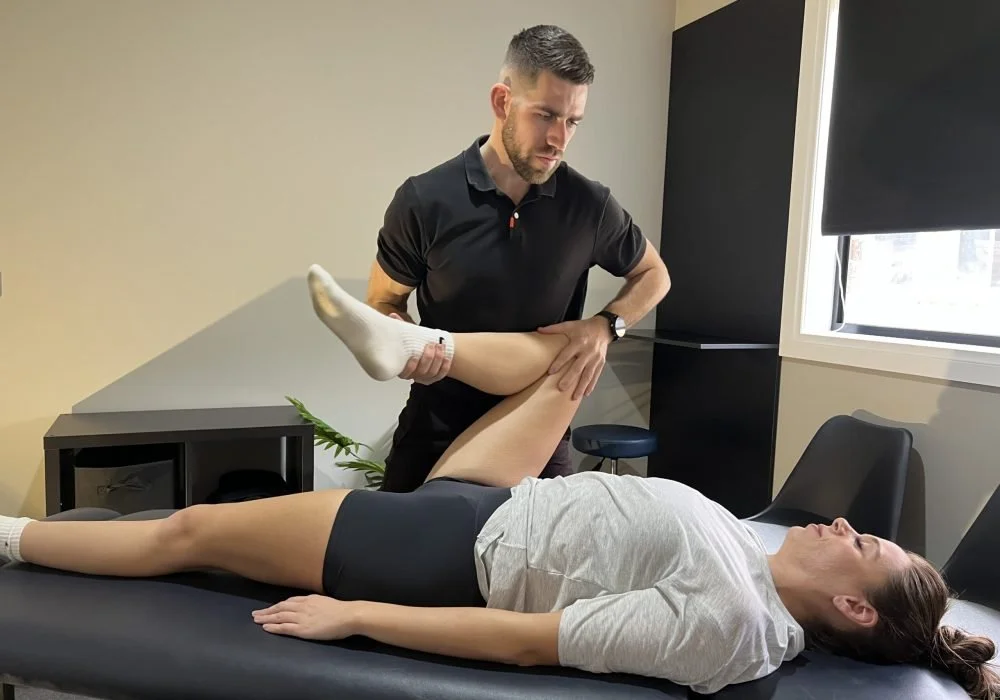
Staying active in Burnside Heights is part of daily life, whether it’s football, basketball, running, gym sessions, or community sports. Physical activity strengthens your body, but it also carries a risk of sports-related injuries. Even minor strains or sprains can escalate into chronic musculoskeletal pain if not addressed early.
Understanding common injuries, warning signs, and how chiropractic care can help ensures faster recovery, prevention, and peak performance.
Understanding Sports-Related Musculoskeletal Pain
Musculoskeletal pain occurs when muscles, ligaments, tendons, or joints are strained, irritated, or injured through the following:
Repetitive movement
Sudden impact or trauma
Overuse during training or competition
Common symptoms include:
Persistent ache or sharp pain
Swelling or stiffness
Reduced mobility or weakness
Pain that interferes with sports performance or daily life
Why early care matters: Addressing injuries early with a sports injury chiropractor ensures treatment targets the underlying cause, not just the symptoms. This often involves:
Spinal or joint adjustments
Soft tissue therapy
Strengthening and rehabilitation exercises
Common Sports Injuries in Burnside Heights
Knee Injuries (Meniscus & Ligament Strains)
Knee injuries are highly prevalent in sports like football, netball, and basketball. Twists, falls, or direct impacts can damage ligaments or tear the meniscus.
Symptoms:
Pain when bending, walking, or running
Swelling and stiffness
Feeling of instability
Causes & Risk Factors:
Weak quadriceps, hamstrings, or hip muscles
Poor landing or pivoting technique
Overuse or repetitive high-impact activity
Recovery & Prevention:
Strengthen surrounding muscles to support knee stability
Use proper footwear and protective supports
Early assessment by a chiropractor to prevent long-term issues
Gradual return to sport with guided rehab
Ankle Injuries (Sprains & Instability)
Ankle sprains occur during running, jumping, or sudden directional changes. Severity ranges from mild ligament stretching to full tears.
Symptoms:
Swelling and bruising
Weakness or instability
Pain when walking or performing athletic movements
Causes & Risk Factors:
Previous ankle injuries
Uneven surfaces during activity
Improper warm-up or footwear
Recovery & Prevention:
Balance and proprioception exercises
Strengthening calf, ankle, and foot muscles
Gradual return to activity under chiropractic guidance
Use of braces or taping for high-risk activities
Shoulder Injuries (Rotator Cuff & Dislocations)
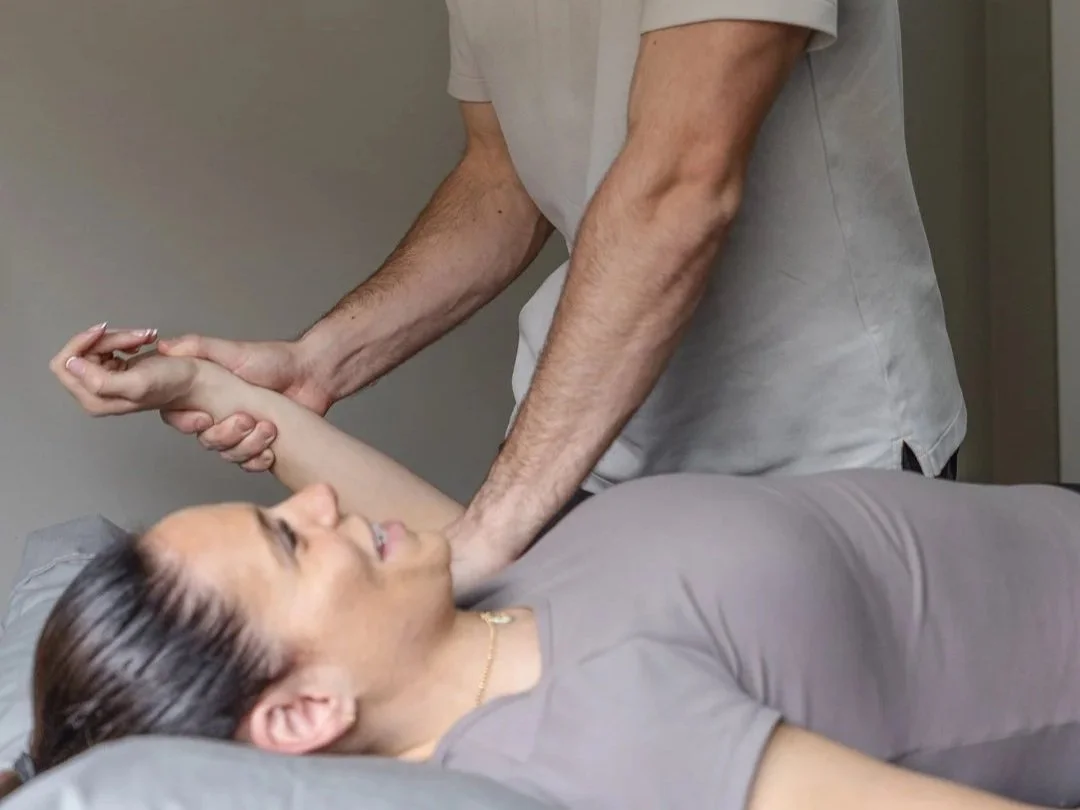
Overhead sports such as swimming, tennis, and weightlifting can strain the shoulder. Repetitive motion, poor posture, and muscle imbalances contribute to injury.
Symptoms:
Pain or weakness when lifting
Reduced range of motion
Clicking or popping in the joint
Recovery & Prevention:
Strengthening rotator cuff and scapular stabilising muscles
Postural assessment and spinal alignment from a chiropractor
Controlled stretching and mobility work before and after activity
Athletes often benefit from understanding how sports-focused adjustments differ from general care, which can improve recovery and performance. Learn more about this approach in how sports-focused adjustments differ from general care.
Overuse & Repetitive Strain Injuries
These injuries develop gradually from repetitive movements, like:
Shin splints in runners
Tendonitis from weightlifting
Elbow pain in cricket or racquet sports
Symptoms:
Mild stiffness progressing to chronic discomfort
Tenderness in affected area
Decreased performance or endurance
Recovery & Prevention:
Monitor training volume and intensity
Include rest days to allow tissue repair
Targeted stretching and strengthening programs
Early chiropractic assessment to prevent chronic issues
For lingering issues, rehabilitation strategies that combine manual therapy and exercise can be highly effective, particularly when tailored to the individual's specific condition and needs. Learn more abouthow osteopathy can complement recovery.
Signs You Might Be at Risk
Watch for these early warning signs:
Persistent or worsening pain during or after sports
Tingling, numbness, or weakness in limbs
Reduced joint mobility or athletic performance
History of previous injuries not fully rehabilitated
Participation in repetitive or high-impact sports without proper technique
Knowing these signs helps athletes take action before minor injuries become chronic. If you’re unsure, understanding which professional best suits your needs can guide your recovery. Read more aboutchoosing the right practitioner for sports injuries.
How Chiropractic Care in Burnside Heights Can Help
Clinic Location: 19 Chifley Circuit, Burnside Heights VIC 3023, AustraliaService Areas: Burnside Heights, Caroline Springs, Ravenhall, Delahey, Deer Park, Albanvale, Taylors Lakes, and surrounding areas
Meet Dr. Stefan De Pietro – Principal Chiropractor
Dr. Stefan combines clinical expertise and personal sports experience to provide tailored care for injuries and prevention.
His approach includes:
Alignment & Adjustments: Restore proper joint and spinal alignment, reducing stress on muscles and ligaments. Understandingkey considerations when evaluating a sports injury specialist ensures you get the right care.
Targeted Injury Rehab: Personalised exercises, soft tissue therapy, and guided progression back to sports.
Preventive Guidance: Advice on posture, warm-ups, cool-downs, and long-term injury prevention.
“My goal is to help you recover efficiently and perform at your best while staying healthy and injury-free.” – Dr. Stefan De Pietro
Credentials: Bachelor of Health Science, Bachelor of Applied Science (Chiropractic), ICSC, FAKTR, FNOR, SD Practitioner, Applied Kinesiology
For long-term care, selecting a local practitioner who suits your training goals ensures consistency and better outcomes. Learn more abouthow to choose the right chiropractor in Burnside Heights.
Preventive Tips for Athletes
Warm up and cool down before/after activities
Strengthen core, legs, and shoulders to support joints
Use proper technique and equipment
Schedule regular chiropractic check-ups for alignment and rehab guidance
Include rest and recovery days in training schedule
Frequently Asked Questions
-
Knee ligament and meniscus injuries, ankle sprains, shoulder strains, and overuse injuries like shin splints or tendonitis are most common. These often result from sudden twists, impacts, or repetitive movements.
-
Chiropractors restore joint alignment, reduce pain, and guide rehabilitation exercises. This supports faster recovery, improves mobility, and helps prevent future injuries.
-
No referral is needed. You can book directly with a chiropractor for assessments, treatments, and personalized injury management.
-
Recovery time depends on the injury’s severity. Minor strains may improve in 1–2 weeks, while more serious injuries require structured rehab and careful progression under professional guidance.
-
Yes. Chiropractors can improve range of motion, reduce chronic pain, and provide targeted exercises to strengthen previously injured areas.
-
Consistent strengthening, proper warm-ups and cool-downs, correct technique, and regular chiropractic check-ups all help reduce injury risk and keep your body performing at its best.