
Headache Treatment in Taylors Lakes: Could Your Neck Be the Cause?
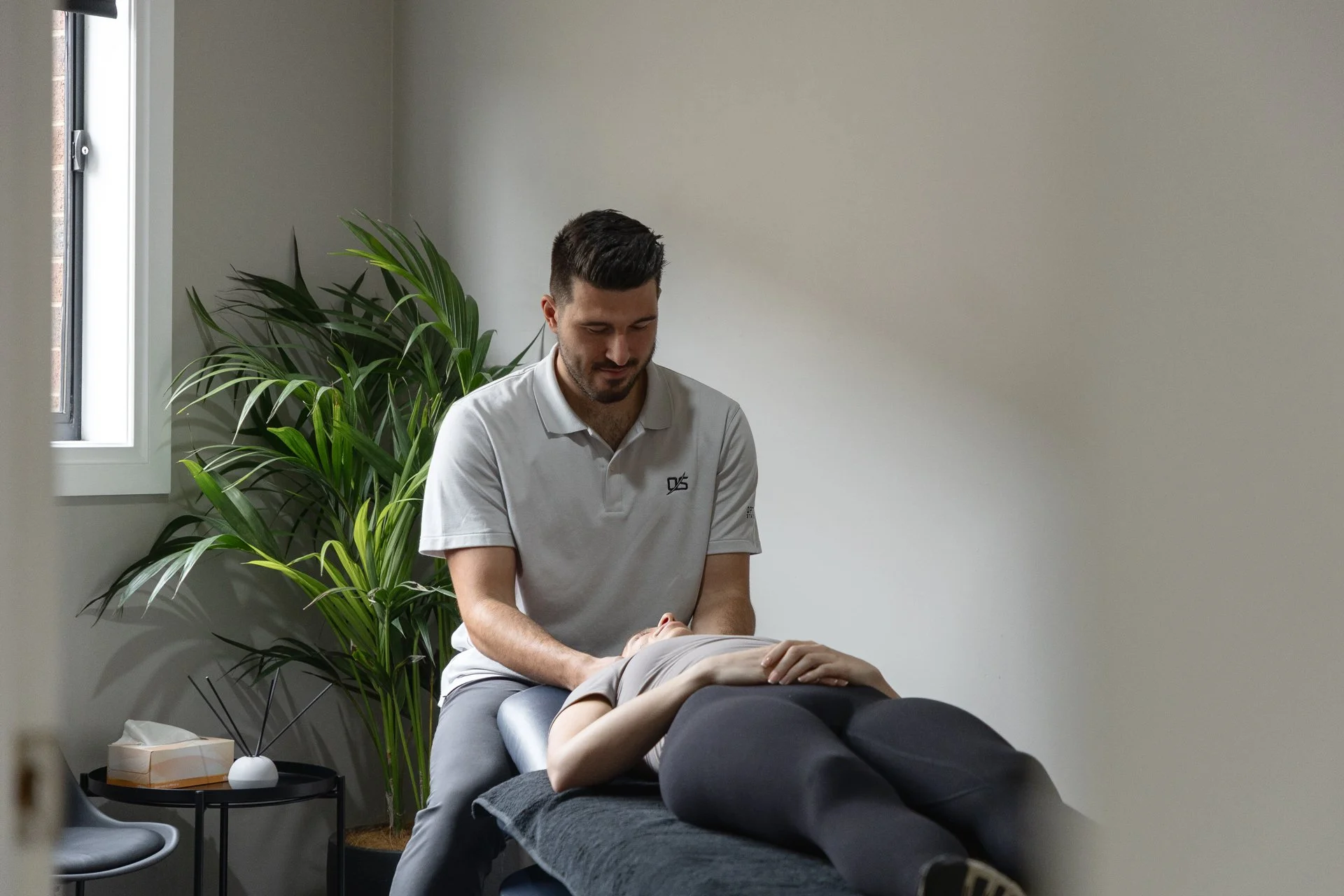
Many people think headaches start in the head. However, for a significant number of people, the real source of the problem may actually be the neck.
At Optimal State, we commonly see people presenting with recurring headaches alongside neck pain, stiffness, postural strain, or a previous injury. In many cases, headaches are not isolated symptoms but part of a broader mechanical issue involving the cervical spine.
Whether you're spending long hours at a computer, working in a physically demanding role, or recovering from a sporting injury, dysfunction within the neck can contribute to recurring headaches that affect your work, sleep, and daily activities.
If you're searching for headache treatment near Taylors Lakes, understanding the relationship between neck function and headaches may help you identify the underlying cause of your symptoms.
For related mechanical presentations, you may also find our guide oncommon causes of neck pain in the 40–50 age group helpful, as many headache cases overlap with age-related postural and occupational strain patterns.
What Is a Cervicogenic Headache?
A cervicogenic headache is a type of headache that originates from the neck rather than the head itself. Pain is referred from structures within the cervical spine, including joints, muscles, ligaments, and nerves, into the head.
Unlike migraines, which are neurological, cervicogenic headaches are considered mechanical in nature. This means they are influenced by physical factors such as joint movement, posture, muscle tension, and spinal function.
The upper cervical spine plays a particularly important role due to its close connection with pain pathways that refer into the head and face.
Common features of cervicogenic headaches include:
Pain that begins at the base of the skull
One-sided headache symptoms
Pain that radiates into the temple, forehead, or behind the eye
Neck stiffness or tightness
Reduced ability to turn or tilt the head
Symptoms aggravated by prolonged sitting or sustained posture
Headaches triggered by neck movement or pressure
In many cases, patients do not initially associate these symptoms with the neck, which is why cervicogenic headaches are often misidentified as tension headaches or migraines.
Why We Commonly See Headaches Linked to Neck Pain
At Optimal State, headaches are frequently accompanied by neck pain, postural strain, muscle tension, and reduced spinal mobility. Many patients initially seek care for recurring headaches before discovering that the underlying issue originates in the cervical spine.
In our clinic at Burnside Heights, this presentation is particularly common in people working in sustained or repetitive roles such as office-based computer work, teaching, cleaning, trades, warehousing, and machine operation, where the neck is repeatedly placed under load throughout the day.
These occupations often place ongoing stress on the neck, upper back, and shoulders.
We also regularly see neck-related headaches following sporting injuries, gym strain, contact sports, and cycling incidents. These cases often overlap with shoulder and upper back dysfunction, similar to presentations discussed in ourshoulder pain treatment guide for Sydenham.
In many cases, the headache itself is only one part of a larger mechanical problem involving the neck and upper spine.
How Cervicogenic Headaches Differ From Other Headaches
Not all headaches have the same cause.
Migraines: Migraines are neurological in nature and often involve throbbing pain, nausea, sensitivity to light, and visual disturbances.
Tension Headaches: Commonly associated with stress and muscle tension and are often described as a tight band around the head.
Cervicogenic Headaches: Cervicogenic headaches are different because they begin in the neck, often one-sided, and worsen with neck movement. It is associated with stiffness and reduced mobility and frequently occur alongside neck pain
A key reason misdiagnosis occurs is that pain is felt in the head even though the source is in the neck. This can lead to treatments focused only on symptom relief rather than addressing the underlying mechanical cause.
Signs Your Headache May Be Coming From Your Neck
Several signs may indicate that your neck is contributing to your headaches.
These include:
Pain that begins at the base of the skull
Neck stiffness before or during a headache
Reduced ability to turn your head comfortably
Symptoms that worsen after desk work
Pain triggered by looking down for extended periods
Headaches following a sporting injury or accident
Temporary relief from massage or neck stretching
If these symptoms sound familiar, a neck-related headache may be worth investigating. For patients dealing with more complex spinal presentations, including disc-related issues, our guide ondaily activity strategies for herniated discs provides additional context on how spinal loading influences pain patterns.
Common Causes of Neck-Related Headaches
1. Postural Strain
One of the most common contributors to recurring headaches is poor posture. When the head shifts forward during computer work, phone use, or prolonged sitting, additional stress is placed on the muscles and joints of the neck.
Over time, this can lead to:
Joint irritation
Muscle fatigue
Reduced mobility
Referred pain into the head
2. Repetitive Occupational Stress
Repeated movements or sustained positions in work environments can gradually overload the neck. This is especially relevant in desk-based roles and physically repetitive occupations.
3. Sports and Physical Injuries
Contact sports, gym training, and high-impact activities can place sudden or repeated stress on the cervical spine, contributing to joint dysfunction or muscle strain.
4. Previous Whiplash Injuries
Even low-speed car accidents can result in lingering cervical spine dysfunction that may present as chronic headaches months or years later.
5. Joint Restriction
Reduced movement in the upper cervical spine can alter normal biomechanics and contribute to referred pain patterns into the head.
6. Muscle Imbalances
If these symptoms sound familiar, a neck-related headache may be worth investigating. For patients dealing with more complex spinal presentations, including disc-related issues, our guide ondaily activity strategies for herniated discs provides additional context on how spinal loading influences pain patterns.
Why Posture Is Such a Common Trigger
Modern work environments involve long periods of sustained positioning, particularly in front of screens or performing repetitive physical tasks.
When the head moves forward from its natural alignment, the load on the neck increases significantly. Over time, this sustained load can contribute to increased muscular tension, reduced joint mobility, irritation of cervical structures, and referred pain into the head region,
In physically demanding roles, repetitive lifting, bending, or overhead work can create similar strain patterns through different mechanisms. This is why we commonly see headache presentations in people across a wide range of occupations, from office workers to tradespeople and manual labourers.
In many cases, symptoms develop gradually over months or years of accumulated strain rather than from a single event.
Treatment Options for Neck-Related Headaches
Effective treatment begins with identifying the mechanical and structural contributors to symptoms rather than focusing solely on pain relief.
Assessment involves identifying structural and functional contributors to headache presentation, including cervical joint mobility, muscular imbalance, postural load, movement patterns, and previous injury history.
The goal is to understand what is driving the dysfunction contributing to headaches.
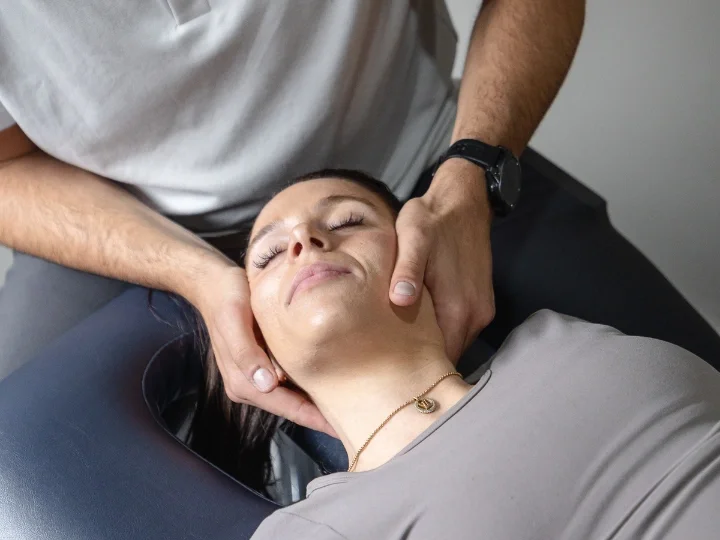
Chiropractic Care: Chiropractic care focuses on improving joint mobility in the cervical spine and reducing mechanical restriction that may contribute to headache referral patterns.
Soft Tissue Therapy: Targeted soft tissue techniques may address tight or overactive muscles in the neck, shoulders, and upper back.
Dry Needling: Dry needling may be used to help reduce trigger points that refer pain into the head.
Exercise-based rehabilitation: Strengthening deep neck flexors and improving upper back stability can help support long-term improvements in posture and spinal control.
Postural and Workplace Strategies: Simple modifications to workstation setup, movement habits, and daily posture can significantly reduce ongoing strain on the neck.
A Patient's Experience
Many people are surprised to discover how closely their headaches are connected to their neck function.
One patient who attended Optimal State for chronic headaches and neck pain shared:
"I have been seeing Stefan for a few months now to help with chronic headaches and neck pain. He has helped me significantly. I'm pleased with how everything is going. He is thorough and pleasant. Recommend."
For patients dealing with more persistent spinal conditions, ourchiropractic clinic guide for Burnside Heights also outlines what to expect from a structural assessment approach.
When Should You Seek Professional Help?
Professional assessment may be appropriate if:
Headaches are becoming more frequent or persistent
Symptoms interfere with work, sleep, or daily activities
Neck stiffness is present alongside headaches
Symptoms began after injury or physical strain
Over-the-counter strategies are no longer effective
Headaches continue to return despite self-management
Early assessment may help identify contributing mechanical factors before symptoms become more chronic.
Looking for Headache Treatment Near Taylors Lakes?
Recurring headaches are often linked to underlying neck dysfunction, particularly when combined with stiffness, postural strain, or a history of injury.
At Optimal State, we regularly assess and manage people presenting with headaches alongside neck pain, sports injuries, and work-related musculoskeletal conditions. The focus is on identifying structural contributors and addressing the mechanical factors involved.
If your headaches are affecting your quality of life, a detailed assessment may help determine whether your neck is playing a role. Our patients usually came from Taylors Lakes, Caroline Springs, Sydenham, Delahey, and surrounding western Melbourne suburb.
Frequently Asked Questions
-
Yes. Dysfunction within the joints, muscles, ligaments, or nerves of the neck can refer pain into the head, resulting in cervicogenic headaches.
-
Headaches that begin at the base of the skull, worsen with neck movement, or occur alongside neck stiffness may have a cervical spine component.
-
Yes. Sporting injuries involving the neck and upper back can contribute to headaches, particularly when mobility or muscle function is affected.
-
Yes. Forward head posture and prolonged sitting can place additional stress on the neck and contribute to recurring headaches.
-
Treatment may include chiropractic care, soft tissue therapy, dry needling, strengthening exercises, and strategies aimed at improving neck function and reducing postural strain.
-
If headaches are persistent, recurring, associated with neck pain, or affecting your daily activities, a professional assessment may help identify contributing factors.