
Pain that travels from your lower back or buttock down your leg can be worrying, especially when it doesn’t settle with a change of position. This is commonly called sciatica.
Sciatica is not a diagnosis on its own. It describes pain along the path of the sciatic nerve, the longest nerve in the body, which runs from the lower back through the buttock and down the back of the leg. It is usually linked to irritation or compression of the sciatic nerve or one of its nerve roots. Sciatica has several possible causes, and some symptoms need medical review, which we cover below.
This guide explains sciatica causes and symptoms, what you can do at home, when to see a doctor, and how we assess it at Optimal State.
Sciatica Causes and Symptoms: Key Points
Sciatica is a symptom, not a diagnosis. It is usually felt on one side of the body.
Common causes include irritation from a spinal disc, narrowing around the nerve roots and, less commonly, tight muscles in the buttock.
Staying gently active and using general self-care are commonly suggested first steps.
Some symptoms, such as bladder or bowel changes or numbness around the groin, need medical attention (see the red flags below).
Sciatica Causes: What is Happening in Your Body
What Sciatica Actually Is
Your sciatic nerve is formed by several smaller nerve roots. These are the parts of the nerve that leave the spinal canal in your lower back. When a nerve root, or the nerve itself, is irritated or squeezed, you may feel pain, tingling or numbness along the path it travels.
Because sciatica is a symptom, the key question is what is irritating the nerve. There is more than one possible answer.
Common causes
Disc irritation. Discs are the soft cushions between the bones of your spine. A disc can bulge or herniate, which means some of its soft centre pushes outward and may press on or irritate a nearby nerve root. People often call this a “slipped disc”, although the disc does not actually slip out of place.
Narrowing around the nerves. Spinal stenosis is a narrowing of the spaces the nerves pass through. It is more common with age-related changes in the spine.
Muscle-related irritation. The sciatic nerve passes close to deep buttock muscles such as the piriformis. Some clinicians think tightness in these muscles may irritate the nerve in some people, although this is debated.
Less common causes. Injury, infection and other conditions can also affect the nerve. This is one reason an assessment matters and why we cover red flags below.
Who Is More Likely To Get It
Sciatica can affect adults of many ages. Factors linked with sciatica include age, a history of back problems and physically demanding work. Having these factors does not mean you will develop sciatica.
Is it sciatica or something else?
Not all leg pain is sciatica. Muscle strains and hip problems can feel similar. Our articles on muscle strain versus a slipped disc and herniated discs and daily activities cover related conditions in more detail.
Sciatica Symptoms: What It Can Feel Like
Sciatic nerve pain varies from person to person. People commonly describe:
Pain from a dull ache to a burning, sharp or “electric” feeling, travelling from the lower back or buttock into the thigh, calf or foot
Pins and needles or tingling
Numbness in part of the leg or foot
Mild weakness in the leg
Symptoms are usually on one side. They may change with sitting, standing, bending, coughing or sneezing.
Weakness And Changes To Watch
If your leg weakness is increasing, for example, if you have trouble lifting your foot or it catches as you walk, speak to a doctor. See “When to see a professional” below.
What You Can Do at Home
These are general ideas that many adults use. They are not personal advice. If you are unsure whether they suit you, check with your GP or practitioner.
Keep gently active. Short walks within your comfort are commonly suggested over long periods of bed rest.
Notice what aggravates your symptoms. If sitting aggravates them, change position regularly.
Some people find heat comfortable. If you have numbness or reduced feeling in the area, take care, because it can be harder to notice if the skin is getting too hot.
Pace your day. Spread heavy or repetitive tasks across the day rather than doing them all at once.
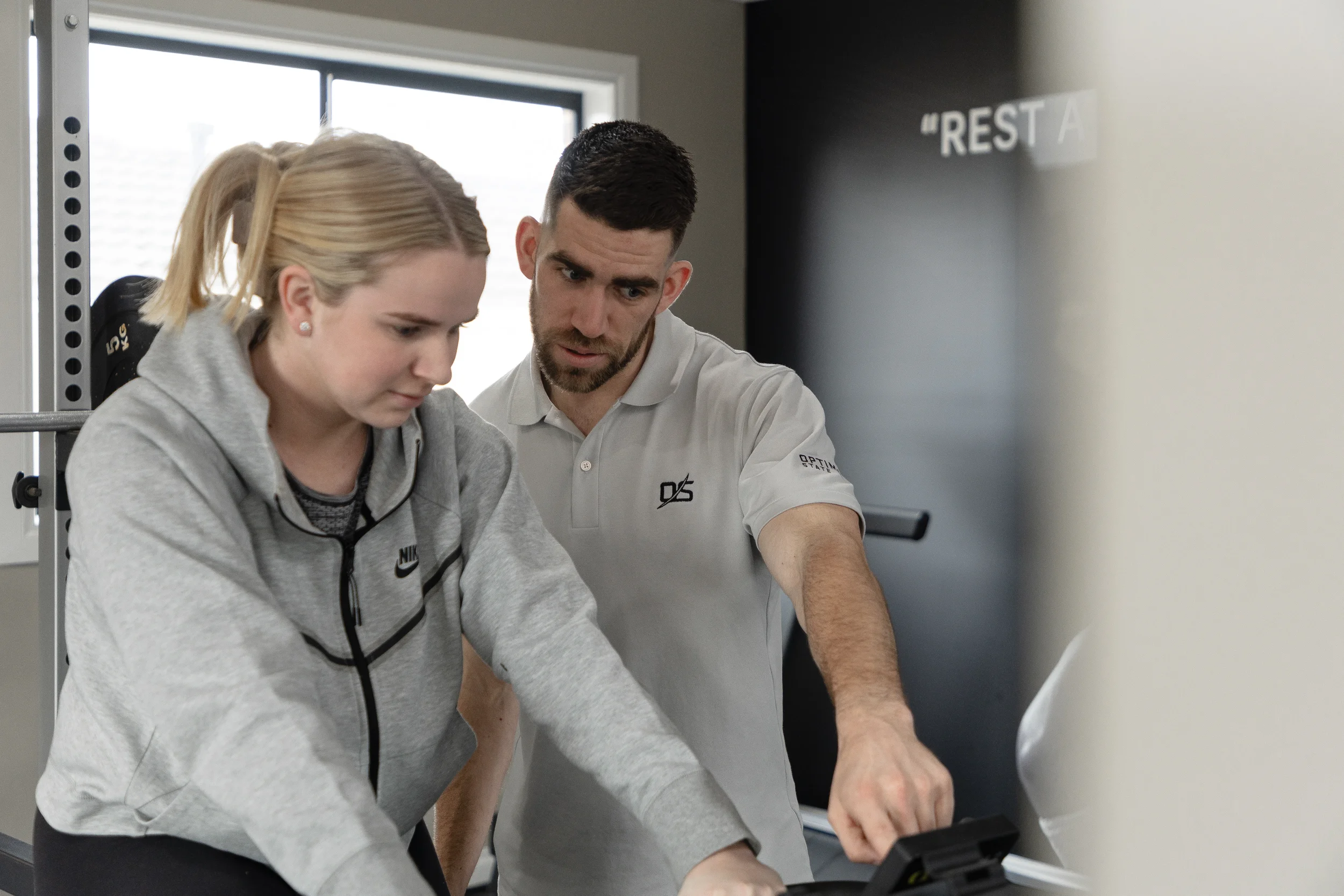
Self-care suits some people more than others, and what helps varies from person to person. If your symptoms are not easing, or you are unsure which activities are right for you, an assessment can help. For questions about medicines, speak with your GP or pharmacist.
When to See a Professional
Go to an emergency department or call 000 if you have:
New difficulty passing urine or loss of bladder or bowel control
Numbness around the groin, genitals, inner thighs or buttocks
Numbness or weakness in both legs
New symptoms after a significant injury, such as a fall or car accident
Some of these can be signs of a rare condition called cauda equina syndrome, where nerves at the base of the spine are compressed.
See your GP promptly if you have:
Leg weakness that is getting worse, or a foot that drags
A fever or feeling generally unwell along with back or leg pain
Unexplained weight loss, or a history of cancer
Severe pain that does not ease with rest, or constant night pain
A recent infection or a weakened immune system
Arrange an assessment if:
Your symptoms have lasted more than a few weeks or are affecting your work, sleep or daily activities. If you are unsure which category applies to you, your GP can help.
Sciatica Assessment and Care at Optimal State
What An Assessment Involves
Your first visit starts with a conversation. Your practitioner will ask when your symptoms began, what makes them better or worse, how they affect work and sleep, any previous back problems, and your general health. They will also ask about the red flag symptoms above.
They will then examine how you move. This may include checks of strength, reflexes and sensation, and tests that show whether your leg symptoms change with certain movements.
Your practitioner considers what may be contributing to your symptoms, whether the pattern fits sciatica or another source, and whether anything suggests you should see your GP or have tests first. If so, we will refer you.
The Care We Offer
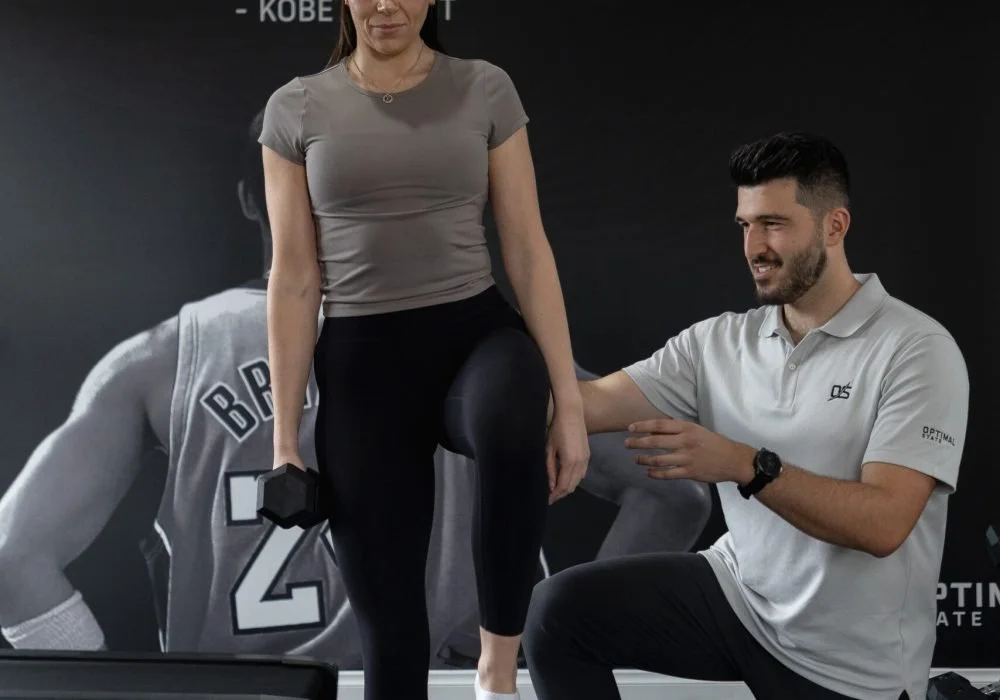
Depending on your assessment, your practitioner may discuss chiropractic care, osteopathy, rehabilitation or a combination. These can include hands-on techniques, advice about movement and daily activities, and a graded exercise program. They will explain each option and how it fits your situation. Care is individual and depends on your assessment.
You can read more about our chiropractic, osteopathy and rehabilitation services or our back injury rehabilitation program.
Who We See
We’re based in Burnside Heights and see people from nearby suburbs, including Caroline Springs, Taylors Lakes, Sydenham, Hillside, St Albans, Deanside and Fraser Rise. You are welcome to book an assessment if you would like your symptoms looked at.
Frequently Asked Questions
-
People describe it in different ways, from a dull ache to a burning, sharp or electric pain. It usually affects one side and may travel from the lower back or buttock down the leg, sometimes with tingling or numbness. It may feel different with sitting, bending or coughing. An assessment can help work out what is going on.
-
No. Sciatica is a symptom, while a “slipped” (herniated) disc is one possible cause. Not everyone with sciatica has a disc problem, and disc changes are also seen in people without symptoms. Other causes include narrowing around the nerve roots. An assessment helps sort out what may be involved.
-
It varies. Some people find symptoms settle over several weeks, while others have symptoms that last longer or come and go. If your symptoms are not improving, are getting worse or are affecting daily life, see your GP or book an assessment. Some symptoms, listed above, need urgent medical care.
-
Long periods of bed rest are generally not recommended, and gentle movement within your comfort, such as a short walk, is commonly suggested. What feels manageable differs between people. If movement increases your leg pain or you notice new weakness, stop and get it assessed.
-
A practitioner will ask about your symptoms and history, examine how you move, and discuss care options that suit your situation, which may include hands-on techniques, movement advice and exercises. Care is individual and depends on your assessment. If your findings suggest you need medical review or tests, we will refer you to your GP.
Your Next Step
If symptoms persist or affect your daily life, an assessment can help identify next steps. Optimal State is at 19 Chifley Circuit, Burnside Heights VIC 3023. You can book online or call (03) 9307 8929. We are open Monday 8am to 7pm, then Tuesday to Friday 9am to 7pm and Saturday 8am to 12pm.
This article is general information only. It is not a substitute for advice from your own health practitioner.