
Back pain can settle before your back has regained its full working capacity. Feeling better is an important step, but it does not always mean you are ready for heavy lifting, sport or long workdays.
A structured back injury rehabilitation program focuses on what comes next. The aim is to build movement, strength and load tolerance so you can return to the activities that matter to you.
What Is a Back Injury Rehabilitation Program?
A back injury rehabilitation program is a structured plan designed to help restore physical function after a back injury. It can include movement work, strength exercises, manual care and gradual exposure to daily or sporting demands.
Short-term symptom management may focus on making movement more comfortable. Rehabilitation goes further by addressing physical capacity and the tasks you need to perform. A structured rehabilitation program can help connect these elements into a progressive plan.
Long-term rehabilitation may involve:
Assessing current movement and strength
Setting clear functional goals
Improving physical capacity
Progressing exercise loads
Practising work or sporting movements
Adjusting the program as your capacity changes
The exact plan depends on your injury, current function and daily demands.
Why Can Back Injuries Keep Coming Back?
Back problems can return for different reasons. Pain does not always come from a single structure, so rehabilitation needs to consider the wider demands placed on the body.
A person may feel ready to return to normal activity before their strength or tolerance has caught up. Other factors can also affect recovery, including:
Reduced strength after a period of inactivity
Sudden increases in training or physical work
Repetitive lifting or bending
High physical workloads
Previous injuries
Deconditioning
Avoiding certain movements for too long
Progressing activity too quickly
This does not mean your back is weak or damaged every time pain appears. It means your current capacity may not match the demands placed on it.
For people experiencing ongoing lower back symptoms, understanding the possible causes and treatment options can be useful. Our guide to lower back pain treatment provides further information.
What Happens During a Back Rehabilitation Assessment?
A detailed assessment helps shape the rehabilitation plan. At Optimal State, this starts with understanding your history and how your symptoms behave during daily activities.
The assessment may look at:
Previous injuries and relevant health history
Activities that increase or reduce symptoms
Spinal and hip movement
Strength and control
Functional tasks such as bending or lifting
Work duties and physical requirements
Exercise and sporting demands
Current activity levels
The practitioner can then identify areas that may need attention. This creates a starting point for exercise selection, manual care and load progression.
The assessment also helps make the program relevant to real life. A warehouse worker and a recreational runner may both have back pain, but their rehabilitation needs can be quite different.
Depending on the assessment, treatment may include chiropractic care, exercise-based rehabilitation or osteopathy.
The Stages of Long-Term Back Rehabilitation
Long-term recovery usually develops in stages. Progress does not always follow a straight line, so the program can change as your capacity improves.
Stage 1: Settle and Understand
The first stage focuses on understanding what aggravates your symptoms. You may need to modify certain activities while keeping suitable movement in your routine.
A baseline is also established. This can include current strength, movement tolerance and functional ability.
The goal is not complete inactivity. Appropriate movement can help you stay active while the rehabilitation plan takes shape.
Stage 2: Restore Movement
Once the initial stage is manageable, rehabilitation can focus on movement quality and confidence.
Exercises may target spinal, hip or lower-limb movement. Manual care may also be used where clinically appropriate.
The focus is on helping you move through useful ranges without making the program unnecessarily complicated.
Stage 3: Rebuild Strength
Strength work becomes a larger part of the program as your tolerance improves.
Exercises may target the trunk, hips and legs. Whole-body exercises can also be introduced to build the strength needed for everyday tasks.
Loads are adjusted to suit your current ability. The aim is to create a clear path from basic exercises towards more demanding movements.
Stage 4: Build Load Tolerance
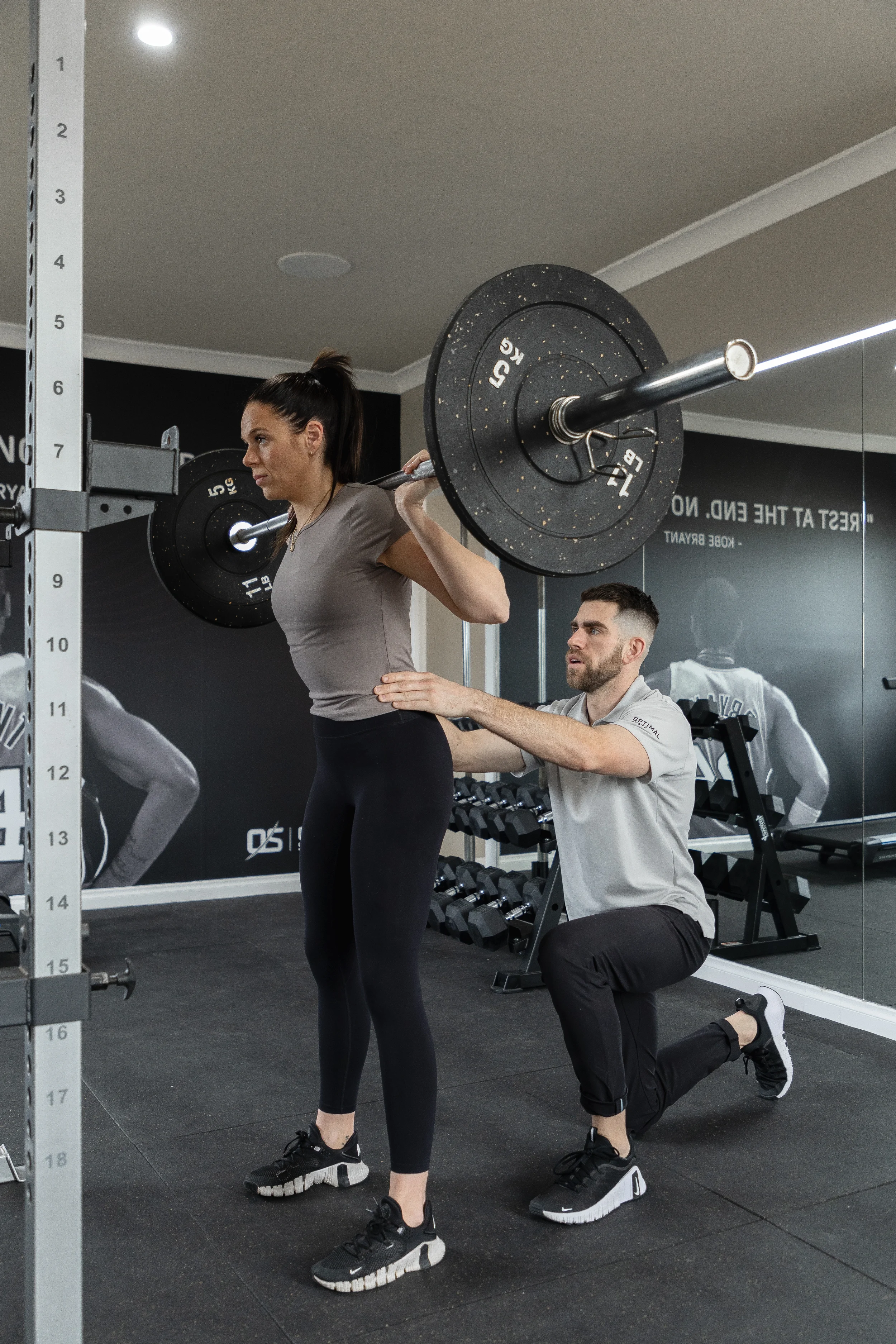
Strength alone does not fully prepare you for physical work or sport. Your body also needs to tolerate repeated and heavier demands.
This stage may include:
Lifting
Carrying
Bending
Repeated movements
Longer periods of activity
Heavier resistance exercises
The load can be increased gradually as your tolerance develops.
Stage 5: Return to Work, Training or Sport
The final stages become more specific to your goals.
A worker may practise lifting patterns linked to their job. An athlete may progress towards running, jumping or sport-specific strength work.
This approach helps bridge the gap between general exercise and the demands you will face outside the practice.
Stage 6: Maintain Capacity
Rehabilitation does not always need to stop once symptoms improve.
Maintaining strength and activity can help you keep the physical capacity developed during your program. Your routine may become simpler over time, with exercises that fit around work, family life or training.
The focus shifts from rebuilding capacity to maintaining it.
What Role Does Hands-On Treatment Play?
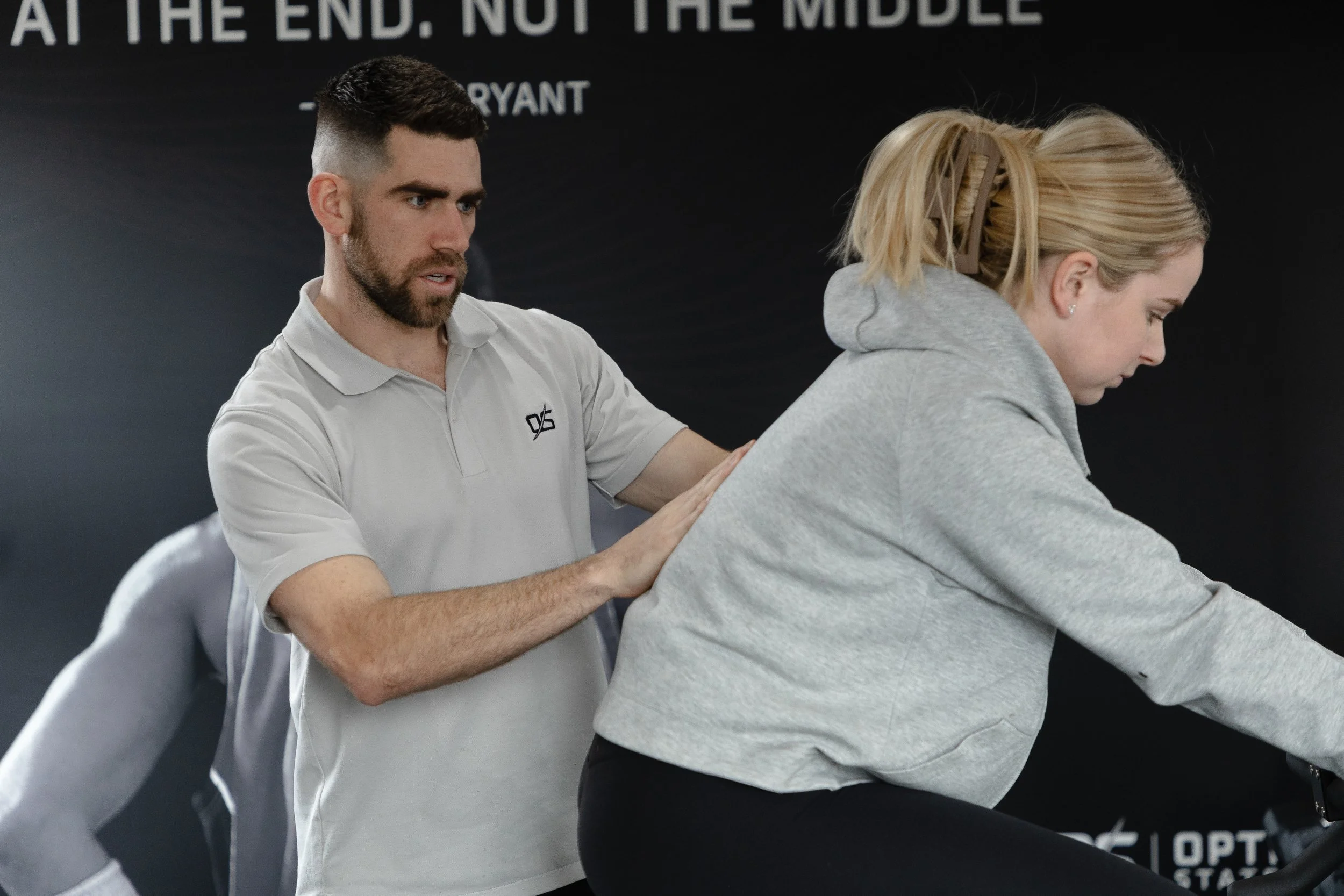
Hands-on care can form part of a direct treatment and rehabilitation approach. Depending on the assessment, manual techniques may be used around areas where movement is restricted or uncomfortable.
This may include techniques directed at the spine or surrounding joints and soft tissues. The choice depends on the individual's presentation and clinical findings.
Hands-on care is not a replacement for active rehabilitation. It can sit alongside exercise and movement work within the same plan.
In practice, hands-on care and active rehabilitation can work together. Manual techniques may support movement and comfort, while exercise develops the physical capacity needed for longer-term function.
For people considering different treatment approaches, understanding the role of chiropractic care and osteopathy can help when deciding what may be appropriate.
How Long Does Back Rehabilitation Take?
There is no fixed timeline for a back injury rehabilitation program. Recovery can vary based on the type and severity of the problem, starting fitness, work demands and previous injuries.
Someone with a mild reduction in capacity may need a shorter program. More complex cases can require longer-term progression and regular adjustments.
Progress is usually judged by function rather than time alone. Improvements in lifting, walking, exercise tolerance or work capacity can provide useful markers.
A rehabilitation plan may also change if symptoms flare or your daily demands increase.
What Does Successful Long-Term Recovery Look Like?
Recovery does not always mean having zero pain at every moment.
A more useful measure is how well you can manage normal demands. You may notice changes such as:
Greater physical capacity
Better tolerance for work tasks
More confidence with movement
Improved exercise tolerance
Fewer limitations during daily activities
Better ability to manage occasional flare-ups
These changes can show that your physical capacity has improved, even if some symptoms still occur from time to time.
How Can You Reduce the Risk of Future Back Problems?
There is no single exercise or habit that prevents every future back problem. Building and maintaining general physical capacity can help you handle everyday demands.
Useful habits include:
Keep regular strength training in your routine
Stay active between training sessions
Increase workloads gradually
Allow enough recovery between demanding activities
Avoid large, sudden changes in training volume
Maintain strength in the trunk, hips and legs
Adjust activity when your body is struggling to tolerate the current load
Consistency matters more than chasing a perfect routine. Your program should fit your work, lifestyle and physical goals.
Optimal State's Approach to Back Rehabilitation
Optimal State takes a direct, individual and progressive approach to rehabilitation in Burnside Heights and surrounding western Melbourne suburbs.
The process starts with a direct assessment of movement, strength and function. Care can then include structural and movement-focused manual techniques where appropriate.
Your program may combine hands-on care with targeted exercise and progressive loading. Each part has a specific role within the rehabilitation plan.
The focus stays on measurable functional goals. These may include returning to work, lifting safely, resuming exercise or building capacity for a particular sport.
For people seeking musculoskeletal rehabilitation, an individual plan can help connect clinical assessment with the physical demands of everyday life. This may be particularly relevant for people in Burnside Heights, Caroline Springs, Delahey, Hillside and surrounding suburbs.
If you are considering chiropractic treatment for back pain or another musculoskeletal concern, you can also learn more about choosing the right chiropractor and the factors worth considering.
You can book an appointment with Optimal State if you would like your symptoms and rehabilitation needs assessed.
Frequently Asked Questions
-
Some forms of exercise may be appropriate, depending on your symptoms and physical capacity. The type, intensity and volume may need adjustment. A rehabilitation professional can help determine which movements are suitable and how to progress them.
-
Description tYes. Chiropractic care may form part of a broader rehabilitation plan when appropriate. Manual techniques can be combined with targeted exercise, strength work and functional progression.
-
Short periods of activity modification can be useful when certain movements aggravate symptoms. Extended inactivity can also reduce strength and physical capacity. For many people, the focus is on finding an appropriate level of movement rather than complete rest.
-
Regular physical activity, strength training and gradual workload progression can help maintain capacity. It is also useful to consider recovery, work demands and changes in training volume.
-
Seek medical assessment for severe or worsening pain, significant trauma, unexplained symptoms, fever, unexplained weight loss, or new problems with bladder or bowel control. New or progressive weakness or significant numbness also warrants prompt medical attention.