
Finishing rehabilitation is a major step, but returning to your old training routine can take more planning.
Feeling better does not always mean your body is ready for the same workload as before. Strength, endurance, movement control and training tolerance may still need time to develop.
The next stage is about moving from rehabilitation to capacity, training and performance. A gradual increase in workload can help you build towards your usual gym, running or sporting demands.
What Is Training Load?
Training load refers to the total physical demand placed on your body during exercise. It is more than the amount of weight you lift or the distance you run.
Several factors contribute to your overall workload:
Volume: How much work you complete
Intensity: How hard each session feels
Frequency: How often you train
Duration: How long each session lasts
Exercise complexity: How demanding the movement is
Speed and power: How quickly or forcefully you perform an exercise
These factors can interact. Adding extra running distance while also increasing speed creates a different demand from simply running a little farther.
After rehabilitation, understanding these variables can make your return to training more controlled.
Why Can Increasing Training Too Quickly Cause Problems?
Your training goals may move faster than your current physical capacity.
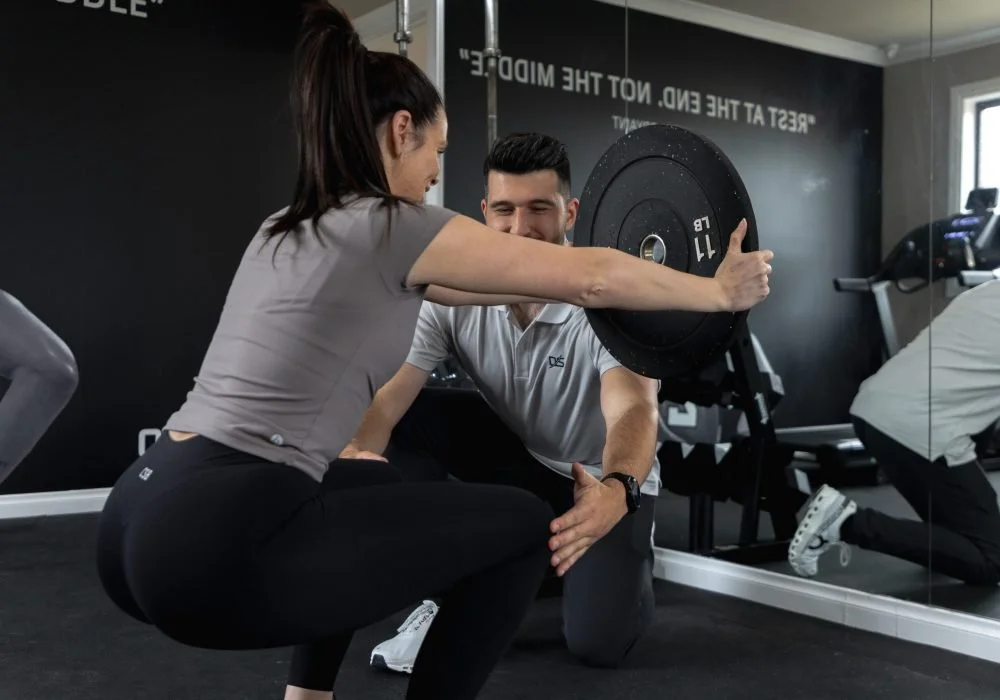
For example, a runner may want to return to five long runs each week. Their current tolerance may only support three shorter sessions. A gym-goer may want to return to heavy squats before their strength and movement control have caught up.
A sudden jump in workload can make training harder to manage. This does not automatically mean you have caused another injury. It may simply mean the current training demand has moved beyond what your body can handle comfortably.
The answer is usually not to avoid challenging exercise. Instead, the workload needs to match your current capacity and increase over time.
How Do You Know You're Ready to Increase Training?
Readiness involves more than checking whether pain has settled.
Your rehabilitation professional may consider several factors before increasing your workload:
Current symptoms and how they behave during activity
Strength and movement control
Recovery between sessions
Your current training tolerance
Confidence with relevant movements
Work and lifestyle demands
Sport-specific requirements
The demands of your previous training routine
Your recent training history also matters. Someone who has maintained regular exercise during rehabilitation may have a different starting point from someone who has taken several weeks away from training.
The goal is to identify a realistic starting level, then build from there.
Increase One Training Variable at a Time
Changing several variables together makes it harder to understand how your body responds.
Consider a runner returning after rehabilitation. They could increase distance first while keeping speed and terrain fairly consistent. Later, they could add hills or faster efforts.
A gym program can follow a similar pattern:
Volume → load → complexity → frequency
A sports return may progress from:
Skill drills → non-contact training → full training → competition
The exact order can change depending on the sport and injury. The useful principle is simple: give your body time to adjust before adding another major demand.
Use a Gradual Loading Approach
A practical framework for returning to training is:
Baseline. Start with a workload you can manage consistently. This gives you a reference point for future progression. Your baseline might be three short runs per week, moderate resistance sessions or basic sport drills.
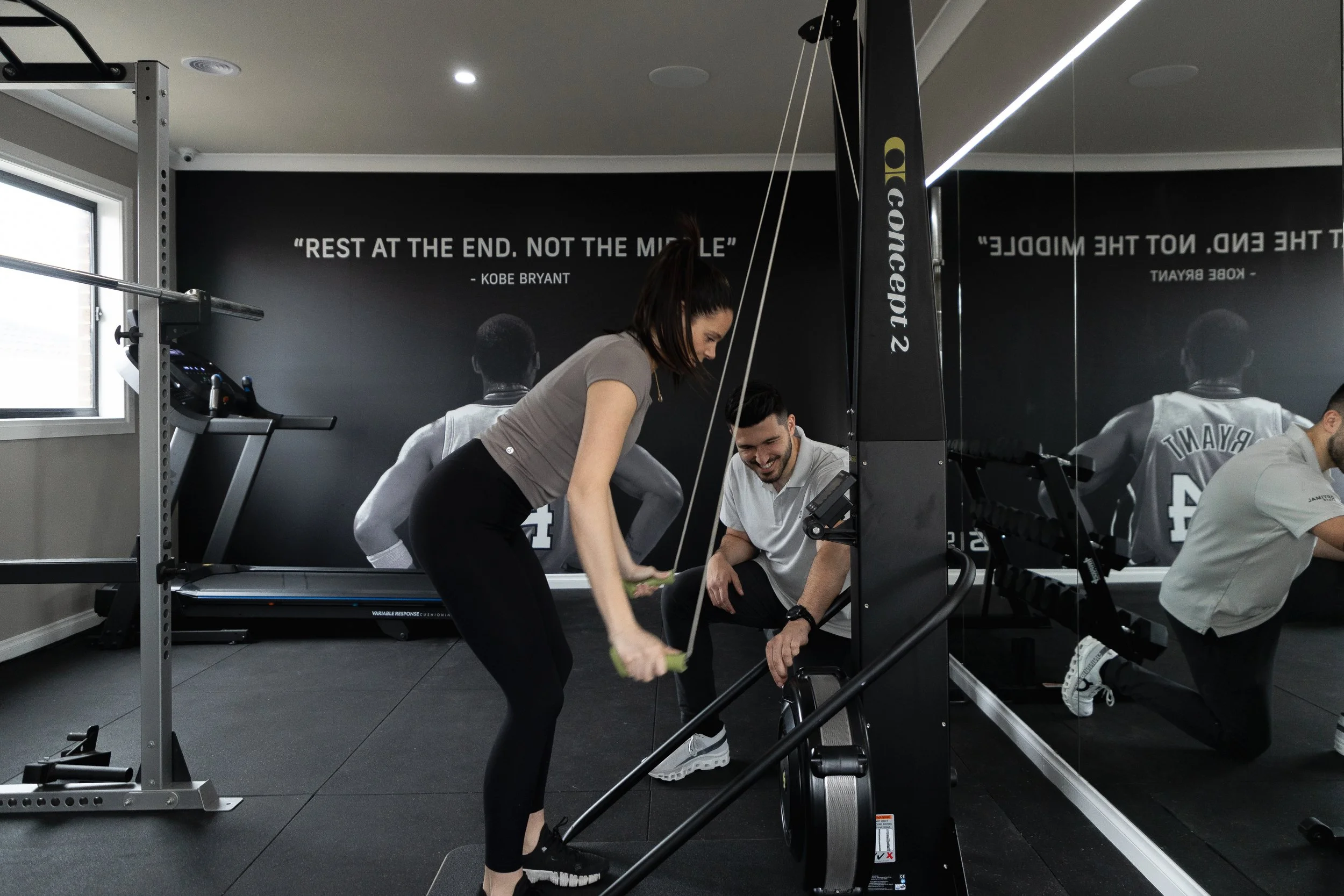
Build. Increase the workload in small steps. You might add repetitions, distance, resistance or training time. Keep the rest of the program fairly stable while your body adapts.
Test. Introduce a slightly more demanding session. This could involve heavier lifting, faster running, harder drills or more complex movements. The test should reflect something you eventually need to do in your sport or training.
Adapt. Review how you responded. Look at symptoms, fatigue, recovery and performance rather than focusing on a single measure. If the workload was well tolerated, you have useful information for the next step. If recovery was poor, the program may need adjustment.
Progress. Continue increasing the demands as your capacity develops. Progress does not need to happen every session. Some weeks may focus on maintaining your current workload while your body adapts. For a structured approach to rebuilding strength, movement and capacity after injury, see our rehabilitation service.
Monitor Your Response to Training
Your response can provide useful feedback during a return to exercise.
Pay attention to what happens during training, later that day and the following day.
Useful markers include:
Changes in symptoms
Recovery after exercise
General fatigue
Strength and performance
Movement quality
Sleep and energy
Ability to complete the next session
A mild symptom during exercise does not always mean you have caused damage. Likewise, feeling fine during a session does not always mean the workload was appropriate.
The full response matters.
For example, a session may feel manageable at the time but leave you unusually sore or fatigued for several days. That response may suggest the recent workload needs adjusting.
Don't Increase Everything at Once
It can be tempting to return to your old routine as soon as you feel capable.
Imagine a runner increasing distance, speed, hills and weekly sessions in the same week. A gym-goer might increase weight, sets, training days and exercise complexity together.
That creates a large change in total demand.
A more controlled approach could increase distance while keeping running speed and frequency stable. In the gym, you might increase resistance while keeping the number of sets unchanged.
Small changes make your response easier to track. They also give you more information about what your body currently tolerates.
Returning to Sport Is More Than Being Pain-Free
Sport places demands on the body that basic rehabilitation exercises may not fully reproduce.
A successful return may require the ability to handle:
High-speed movement
Repeated efforts
Rapid changes of direction
Jumping and landing
Sport-specific strength
Longer training sessions
Fatigue late in a session
Contact or competition demands
A football player, for example, needs more than basic leg strength. They may need to sprint, stop, change direction and repeat those efforts while tired.
A runner may need to tolerate increased distance, speed and terrain. A recreational lifter may need to regain confidence with heavier compound exercises.
Training should gradually reflect these real-world demands.
For a more detailed look at the progression from injury management to sport and activity, see our guide to sports injury rehabilitation in Burnside Heights.
What If Symptoms Return?
Symptoms can change when training load increases. A flare-up does not automatically mean you have reinjured yourself.
Start by looking at what changed recently. Did you add distance, increase resistance, train more often or introduce a new movement?
You may need to temporarily reduce or modify the activity that caused the increase. Give your response time to settle, then reassess your workload before progressing again.
Persistent, worsening or unusual symptoms deserve professional assessment. This is especially relevant when symptoms interfere with normal activity or continue despite changes to training.
How Optimal State Can Help With Return-to-Training
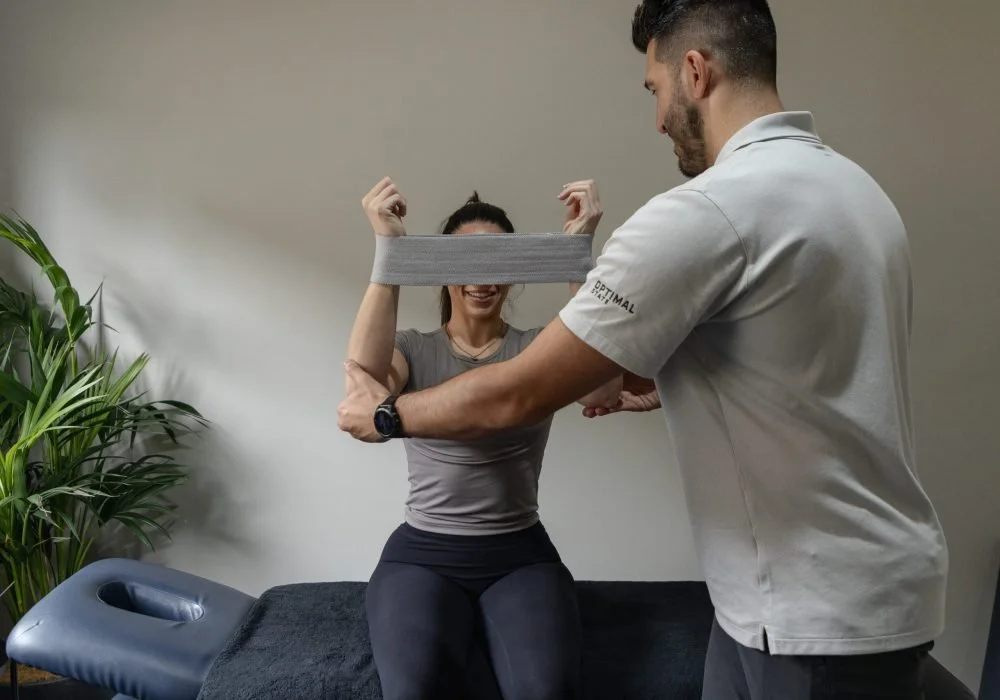
Returning to exercise can require more than a standard exercise plan. At Optimal State, the process can start with an assessment of movement, strength and the demands of your chosen activity.
Care may include structural and movement-focused considerations, with hands-on care used where appropriate. This can sit alongside active rehabilitation and progressive loading.
As capacity improves, the program can move towards more demanding exercises and sport-specific tasks. The focus is on creating a clear progression between rehabilitation exercises and the activities you want to resume.
Our chiropractic service and osteopathy service may also form part of care where appropriate, alongside active rehabilitation and exercise.
This approach may suit people seeking musculoskeletal rehabilitation, an integrated rehabilitation program or long-term care and rehabilitation after an injury.
For local athletes, the same principles can apply to people returning to training, running, gym work or community sport around Burnside Heights and Melbourne's western suburbs.
Common Examples of Injury-Specific Rehabilitation
The right progression depends on the injury and the demands you need to return to.
For example, someone rebuilding lower-limb capacity after a knee injury may need to gradually restore strength, balance, running tolerance and change-of-direction ability. Our guide to knee injury rehabilitation explores this process in more detail.
For someone returning to overhead training or sport after a shoulder injury, progression may involve rebuilding mobility, strength and load tolerance before returning to more demanding movements. See our guide to shoulder rehabilitation after injury.
Tendon-related problems require their own considerations. For example, returning to running or jumping after Achilles tendon pain may require carefully progressed loading rather than simply waiting for symptoms to disappear. Our guide to Achilles tendon pain provides further information.
For lower back injuries, progression may involve rebuilding movement, strength and tolerance for the activities required at work, in the gym or during sport. See our back injury rehabilitation program for more information.
Frequently Asked Questions
-
There is no universal timeline. Your progression depends on your current capacity, injury history, training demands and response to exercise. Increase workload based on how you are adapting rather than following a fixed schedule.
-
Mild symptoms do not always mean you need to stop all exercise. The type of activity, symptom behaviour and your overall response should guide the decision. A rehabilitation professional can help you modify training when needed.
-
Look for changes in symptoms, recovery, fatigue or performance after increasing your workload. A noticeable drop in your ability to complete normal training may indicate that the recent increase needs review.
-
There is no single waiting period that applies to every athlete. Return depends on the demands of the sport and your ability to handle them. Your rehabilitation plan should build towards those specific requirements.
-
Yes, gym training can often become part of the progression. Start with exercises and loads that match your current capacity, then gradually increase resistance, volume or complexity.
-
Review the most recent change in training and consider reducing that specific demand. Monitor how your symptoms respond. If they persist, worsen or affect normal activities, seek an appropriate professional assessment.