
Muscle Strain vs Slipped Disc: Causes, Symptoms & Treatment
In clinics across Taylors Lakes, Caroline Springs, Deer Park, and surrounding suburbs in Burnside Heights, lower back pain commonly develops from prolonged sitting, repetitive lifting, poor posture, sports injuries, and reduced spinal mobility. In many cases, combining hands-on treatment with structured rehabilitation exercises can help improve spinal function and recovery outcomes over time. For more information, read our article onManual Therapy vs Rehab: Why the Combination Works Better.
In adults aged 40–50, lower back pain commonly develops from years of repetitive spinal loading, prolonged sitting, lifting, driving, and occupational strain. We commonly see disc irritation, sciatica, postural strain, and muscular lower back injuries among tradesmen, warehouse workers, machine operators, teachers, cleaners, reception staff, and office workers.
What Is a Muscle Strain?
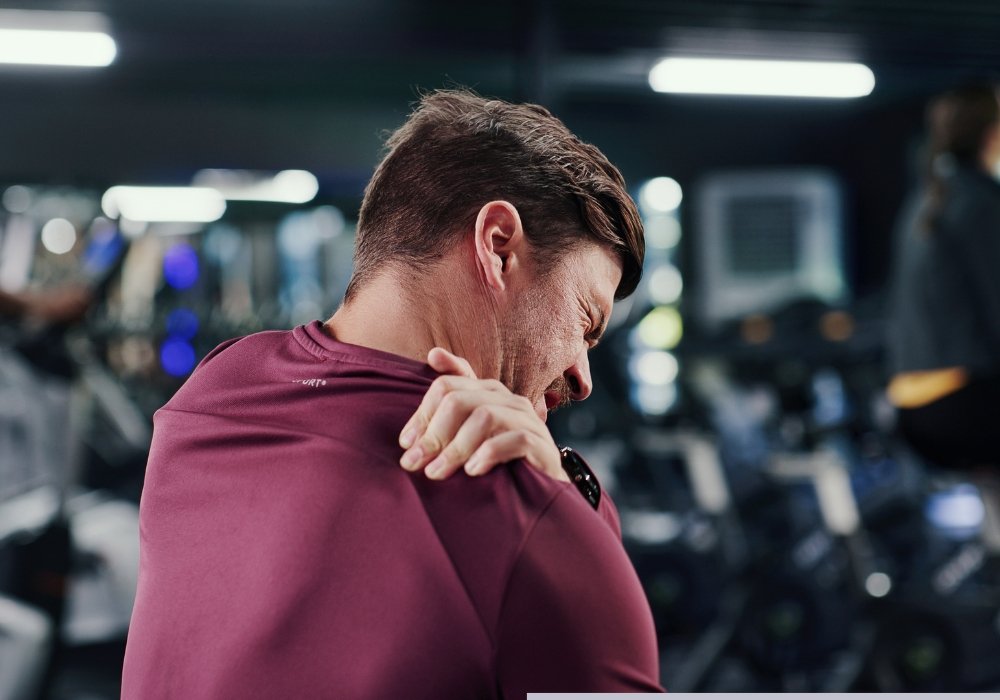
A muscle strain occurs when muscle fibres or soft tissues in the lower back become overstretched or partially torn. This commonly affects the muscles supporting the lumbar spine, including the erector spinae and surrounding stabilising muscles.
Muscle strains are one of the most frequent causes of acute lower back pain and are often linked to sudden movement, lifting, or repetitive stress.
Common Causes of Muscle Strain
Muscle strain often develops from everyday activities rather than severe trauma.
Common causes include:
Lifting with poor technique
Sudden twisting movements
Prolonged sitting with poor posture
Overtraining at the gym
Repetitive bending or physical labour
Weak core stability
Returning to exercise too quickly after inactivity
Many patients in Taylors Lakes, Burnside Heights, and Caroline Springs develop muscular lower back strain from repetitive lifting, prolonged driving, sustained desk posture, warehouse work, machine operation, and physically demanding occupations.
Symptoms of Muscle Strain
Muscle strain typically causes:
Localised lower back pain
Muscle tightness or stiffness
Soreness during movement
Muscle spasms
Tenderness when touching the affected area
Pain is usually mechanical, meaning symptoms change depending on posture or movement.
Importantly, muscle strain does not usually cause nerve symptoms such as:
Numbness
Tingling
Burning pain
Leg weakness
This is one of the key differences in understanding muscle strain vs. slipped disc.
What Is a Slipped Disc?
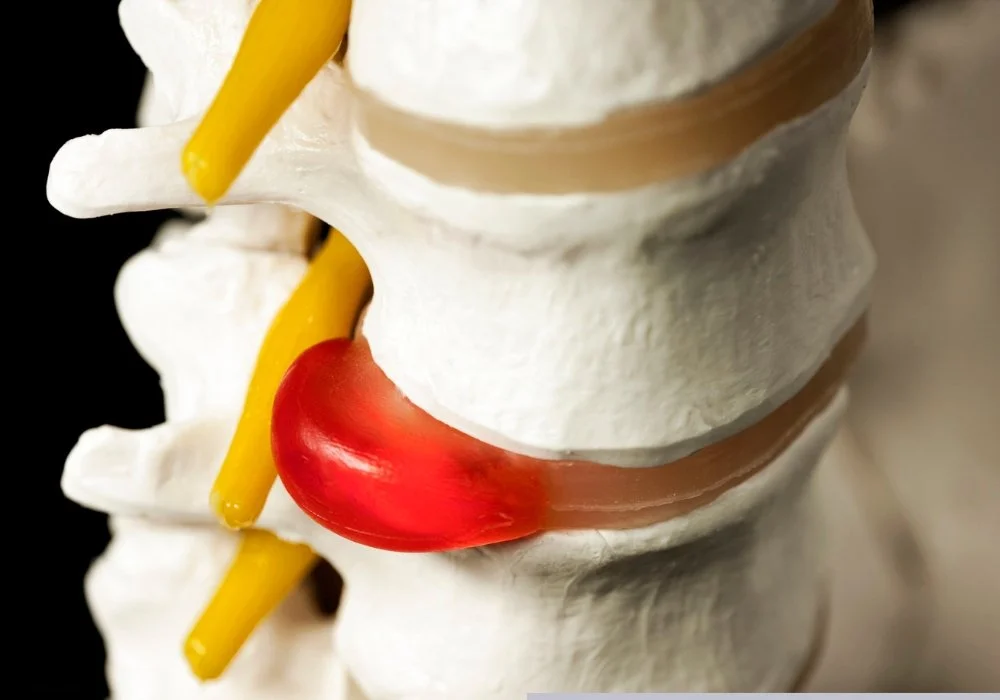
A slipped disc, also called a herniated disc, bulging disc, or disc prolapse, occurs when the soft inner material of a spinal disc pushes through its outer layer. If the disc irritates or compresses a nearby spinal nerve, it can cause pain and neurological symptoms.
Not all disc bulges are painful. Some people have disc degeneration visible on MRI without experiencing symptoms.
People often use these terms interchangeably:
Slipped disc
Bulging disc
Herniated disc
Disc prolapse
Clinically, they describe different stages of disc injury, but the most important factor is whether the disc is irritating a spinal nerve.
Common Causes of a Slipped Disc
Disc injuries may develop gradually through wear and tear or occur after sudden strain.
Common contributing factors include:
Prolonged sitting
Repetitive bending
Poor lifting mechanics
Reduced spinal mobility
Heavy lifting
Sedentary lifestyle
Age-related degeneration
Disc-related lower back pain is common among office workers, warehouse workers, tradies, and active adults involved in strength training or sport.
Symptoms of a Slipped Disc
A slipped disc may cause:
Sharp or burning lower back pain
Pain radiating into the buttock or leg
Sciatica symptoms
Numbness or tingling
Pins and needles sensations
Leg weakness
Increased pain while sitting
Pain when coughing or sneezing
Radiating pain that travels down the leg is one of the strongest indicators of nerve involvement.
Muscle Strain vs Slipped Disc: Key Differences
Although both conditions can cause lower back pain, the symptom patterns are often different.
| Feature | Muscle Strain | Slipped Disc |
|---|---|---|
| Pain type | Localised pain | Radiating nerve pain |
| Pain quality | Muscle tightness and soreness | Burning, sharp, or electric pain |
| Pain location | Pain mainly in lower back | Pain may travel into leg |
| Nerve symptoms | No numbness or tingling | Tingling or numbness common |
| Movement effect | Usually improves with movement | Sitting may worsen symptoms |
| Muscle response | Muscle spasms common | Nerve symptoms more common |
While these patterns are useful indicators, a professional assessment is important for accurate diagnosis.
How Pain Patterns Differ
Pain behaviour is one of the most useful clues when distinguishing between muscular lower back pain and disc-related nerve irritation.
Muscle Strain Pain Pattern
Muscle strain pain is usually localised to one area of the lower back and often feels:
Sore
Tight
Stiff
Achy
Tender to touch
Symptoms commonly worsen after physical activity, prolonged standing, lifting, or sudden movement. Many people notice morning stiffness or discomfort after staying in one position for too long.
Although movement may initially feel uncomfortable, gentle walking and light activity often help reduce stiffness over time. Muscle strain pain rarely travels below the buttock or into the foot because spinal nerves are generally not involved.
Recovery is typically gradual and improves as the injured muscle tissue heals and strength returns.
Slipped Disc Pain Pattern
Disc-related pain behaves differently because spinal nerves may become irritated or compressed.
People often describe slipped disc pain as:
Sharp
Burning
Shooting
Electric-like
Radiating
Pain may travel from the lower back into the buttock, thigh, calf, or foot depending on which nerve is affected. Sitting for long periods, coughing, sneezing, bending forward, or prolonged driving often aggravates symptoms because these positions increase pressure within the spinal discs.
Some individuals also experience sciatica symptoms such as tingling, numbness, or weakness in the leg.
Understanding these pain patterns can help guide early decision-making, although a professional assessment is still important for accurate diagnosis.
When Numbness or Tingling Is a Warning Sign
Numbness, tingling, or weakness may indicate spinal nerve irritation.
Warning signs include:
Pins and needles in the leg or foot
Reduced strength
Foot weakness
Altered reflexes
Difficulty walking normally
In rare cases, severe symptoms such as loss of bladder or bowel control require urgent medical attention.
Early assessment is important because prolonged nerve irritation may increase recovery time.
How Health Professionals Diagnose Back Pain
Accurate diagnosis involves a detailed clinical assessment.
Healthcare professionals may assess:
Pain location and behaviour
Movement patterns
Spinal mobility
Muscle strength
Neurological function
Reflexes and nerve sensitivity
Imaging such as MRI is typically recommended only when:
Symptoms persist
Significant nerve involvement is suspected
Severe weakness develops
Conservative care is unsuccessful
A proper diagnosis helps identify the underlying mechanical cause of symptoms and guide appropriate structural treatment and rehabilitation strategies.
Treatment for Muscle Strain vs Slipped Disc
Treatment depends on:
Symptom severity
Nerve involvement
Duration of symptoms
Movement limitations
Individual health factors
Most lower back conditions improve with structured treatment focused on reducing mechanical stress, improving spinal function, restoring spinal stability and movement control, and gradually rebuilding strength and load tolerance.
When Surgery May Be Needed
Most cases of muscle strain and slipped disc improve successfully with conservative treatment and do not require surgery.
However, surgery may occasionally be considered when:
Severe nerve compression persists
Progressive muscle weakness develops
Walking becomes significantly impaired
Pain remains debilitating despite rehabilitation
Loss of bladder or bowel control occurs
One of the most common surgical procedures for lumbar disc herniation is microdiscectomy, where part of the affected disc material is removed to reduce pressure on the spinal nerve.
Surgery is typically viewed as a later-stage option after appropriate conservative management has been attempted, unless emergency neurological symptoms are present.
Many people are surprised to learn that even large disc herniations can sometimes improve over time with structured rehabilitation and targeted spinal management.
When to Seek Professional Care
Although many cases of lower back pain improve naturally, persistent or worsening symptoms should not be ignored.
Professional assessment is recommended if:
Pain lasts longer than several days
Symptoms progressively worsen
Pain travels into the leg
Numbness or tingling develops
Weakness occurs
Sleep becomes disrupted
Normal movement becomes difficult
People experiencing severe symptoms such as loss of bladder or bowel control, major leg weakness, difficulty walking, and saddle numbness should seek urgent medical attention.
In our clinic in Burnside Heights serving Taylors Lakes and surrounding suburbs, many patients delay assessment because they assume the pain will resolve on its own. Early assessment and targeted treatment can help reduce ongoing nerve irritation, persistent mechanical dysfunction, and repeated flare-ups.
Our clinic regularly assesses and manages lower back pain, sciatica, disc-related irritation, postural strain, and occupational spinal injuries affecting adults across Burnside Heights, Taylors Lakes, Caroline Springs, and surrounding suburbs.
Frequently Asked Questions
-
Muscle strain usually causes localised soreness and stiffness, while a slipped disc commonly causes radiating pain, tingling, numbness, or sciatica symptoms in the leg.
-
Yes. Most slipped disc cases improve with structured rehabilitation, spinal mobility restoration, strengthening exercises, and targeted treatment designed to reduce nerve irritation and improve spinal function.
-
Most muscle strains improve with gentle movement, progressive strengthening, heat therapy, and temporary reduction of aggravating movements and spinal loading.
-
Spinal decompression therapy may help reduce pressure on spinal structures in selected patients when combined with strengthening exercises, spinal rehabilitation, and targeted structural treatment approaches.
-
Professional assessment is recommended if symptoms persist, worsen, radiate into the leg, or involve numbness, tingling, or weakness.
-
In some cases, chiropractic treatment may help improve spinal joint function, reduce mechanical stress on irritated structures, and support recovery from disc-related lower back pain.