
Lower Back Pain Treatment Near Caroline Springs
Lower back pain is one of the most common musculoskeletal conditions affecting Australians. Whether the discomfort begins after lifting something heavy, sitting for long periods, or developing gradually over time, it can interfere with work, exercise, sleep, and everyday movement.
Some cases involve mild stiffness that settles within days, while others develop into ongoing pain that spreads into the hips or legs. Conditions such as muscle strain, sciatica, postural overload, and disc irritation are frequently linked to persistent symptoms. Because of this, many residents search for a lower back pain clinic near Caroline Springs to help improve movement and reduce recurring flare-ups.
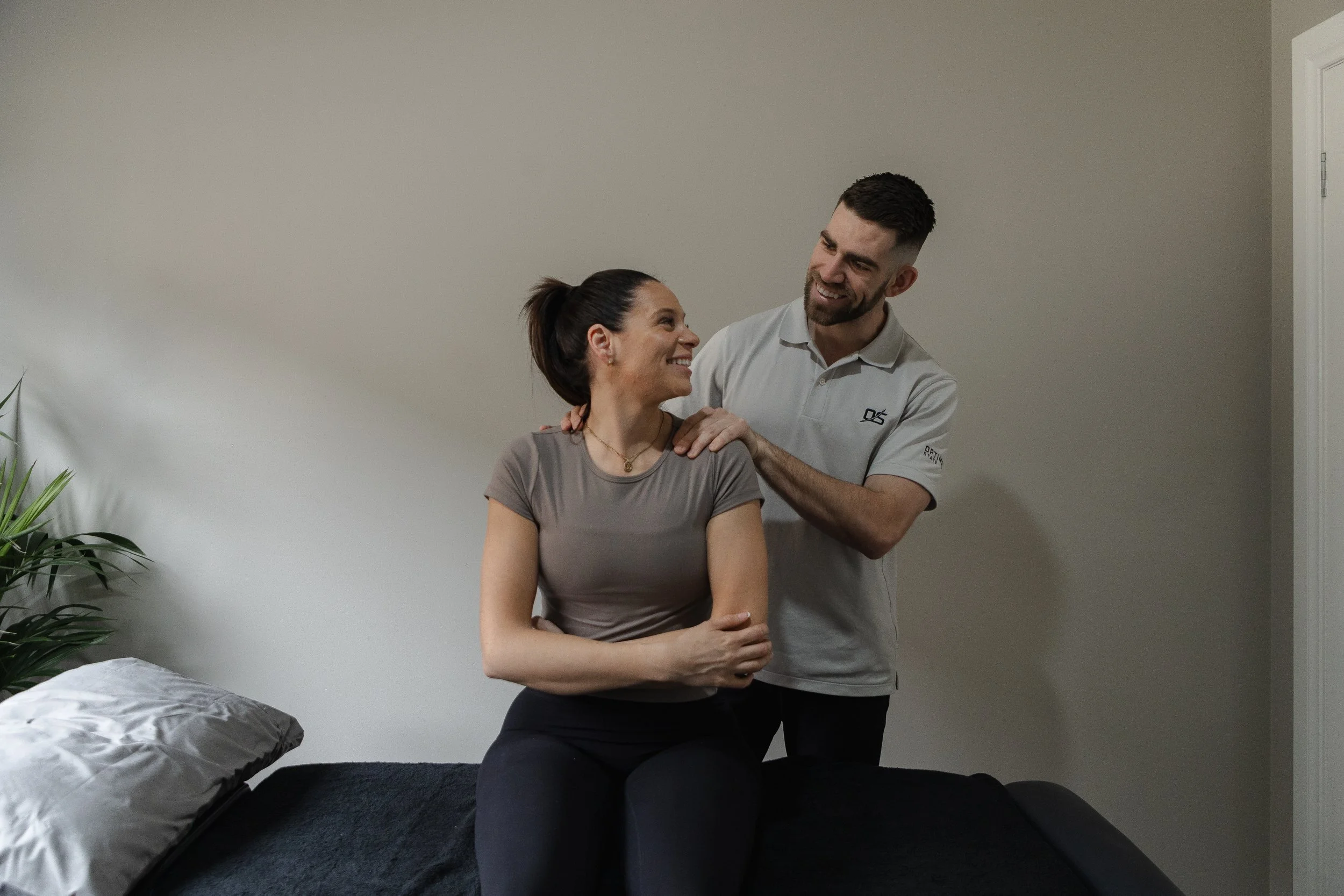
Common Causes of Lower Back Pain
Lower back pain can develop suddenly or gradually over time. In many cases, symptoms are linked to repetitive mechanical stress placed on the spine, joints, muscles, and surrounding soft tissues.
1. Lower Back Pain From Repetitive Work
Many adults in their 40s and 50s experience lower back pain related to years of repetitive physical demand or prolonged sitting.
Common occupational contributors include:
Repetitive lifting
Twisting movements
Prolonged sitting
Driving for extended periods
Poor workstation setup
Repetitive bending
Physical fatigue
Tradesmen, warehouse workers, machine operators, cleaners, teachers, receptionists, and office workers commonly develop lower back stiffness and postural strain due to repetitive movement patterns and prolonged loading on the spine.
2. Lower Back Pain After Lifting
Lower back pain after lifting is one of the most common reasons people seek treatment. Poor lifting mechanics, sudden twisting, or excessive loading may strain the muscles, joints, or spinal discs.
Symptoms may include:
Sharp lower back pain
Muscle tightness
Difficulty bending
Reduced mobility
Pain when standing upright
Pain spreading into the hips or legs
Some flare-ups settle quickly, while others progress into persistent stiffness or recurring episodes.
3. Disc Bulges and Sciatica
Disc-related lower back pain is another common presentation seen in adults with physically demanding jobs, prolonged sitting, or repetitive spinal loading.
A disc bulge or irritated disc may place pressure on nearby nerves, sometimes contributing to:
Sciatica
Tingling sensations
Burning pain
Numbness
Pain travelling into the leg
Weakness in the leg or foot
Many people search for treatment options after being told they have a “slipped disc” or disc bulge. In many cases, conservative management focusing on movement, strength, and spinal function may help improve mobility and reduce ongoing flare-ups.
4. Postural Strain and Sedentary Work
Postural strain is increasingly common among teachers, receptionists, desk workers, and professionals spending long hours at a computer.
Prolonged sitting and poor posture may contribute to:
Lower back stiffness
Reduced hip mobility
Muscle tightness
Neck pain
Headaches
Reduced spinal movement
Long periods of sitting can also reduce muscular support around the spine, increasing stress on the lower back during everyday movement.
Acute vs Chronic Lower Back Pain
Acute lower back pain often develops suddenly and may improve within days or weeks.
Chronic lower back pain typically persists for several months or involves repeated flare-ups that continue affecting:
Work
Exercise
Sleep
Walking
Daily movement
Long-term symptoms often require a more structured rehabilitation approach focused on restoring movement control, spinal strength, and mobility.
What To Do When Lower Back Pain Starts
Early management can influence recovery outcomes. While short-term rest may feel helpful initially, prolonged inactivity may increase stiffness and muscular deconditioning.
Stay Active With Gentle Movement
Research increasingly supports maintaining gentle movement during lower back pain episodes where appropriate.
Helpful activities may include:
Walking
Gentle stretching
Controlled mobility exercises
Light movement throughout the day
Remaining completely inactive for extended periods may worsen stiffness and reduce spinal support.
1. Home Remedies for Lower Back Pain
Several self-care strategies may temporarily reduce symptoms:
Heat packs for muscular tightness
Ice packs during acute irritation
Gentle stretching
Short walking breaks
Reducing prolonged sitting
Improving workstation setup
Simple changes in posture, sleeping position, and movement habits may also reduce ongoing spinal stress.
2. Exercises That May Help Lower Back Pain
Movement-based rehabilitation is commonly recommended for lower back pain management.
Examples may include:
Knee-to-chest stretches
Cat-cow mobility exercises
Hip flexor stretching
Glute strengthening
Core activation exercises
Walking programs
Exercises should remain controlled and comfortable, particularly during acute flare-ups.
Signs You Should Seek Professional Treatment
Some lower back pain episodes improve naturally, while others may require professional assessment and rehabilitation. Persistent stiffness, recurring flare-ups, nerve symptoms, or reduced mobility may sometimes indicate broader musculoskeletal dysfunction affecting movement and spinal loading patterns.
Understanding thewarning signs of musculoskeletal disorders may help people seek treatment earlier before symptoms become more persistent.
Recurring Flare-Ups
Repeated lower back pain episodes may suggest:
Movement dysfunction
Reduced spinal stability
Muscular imbalance
Ongoing disc irritation
Poor loading mechanics
Pain Travelling Into the Legs
Radiating pain, numbness, burning sensations, or weakness may indicate nerve irritation or sciatica.
Persistent nerve-related symptoms often require more targeted management than simple muscular tightness.
Lower Back Pain Affecting Work or Sport
When lower back pain interferes with:
Gym training
Running
Golf
Recreational sport
Physical work duties
Walking
Sleep
Professional treatment may help improve function and reduce ongoing aggravation.
Exercise Rehabilitation for Lower Back Pain
Exercise rehabilitation focuses on improving spinal support and movement control.
Programs commonly target:
Core strength
Hip stability
Glute activation
Functional movement patterns
Strengthening surrounding muscles may reduce excessive stress on the lower back during everyday activities, work, and exercise.
Chiropractic Treatment for Lower Back Pain
Many people searching for lower back pain treatment near Caroline Springs want conservative treatment options focused on restoring movement and reducing mechanical strain.
How Chiropractic Care May Help
A chiropractor for lower back pain may use:
Joint mobilisation
Spinal adjustments
Soft tissue therapy
Movement-based rehabilitation
Postural advice
Treatment commonly focuses on improving spinal movement, reducing stiffness, and restoring function.
This more direct structural approach often aims to address movement restriction and mechanical overload contributing to recurring symptoms.
Chiropractic Care for Sciatica and Disc Injuries
People experiencing sciatica or disc-related lower back pain often seek conservative care before considering more invasive interventions.
Management may include:
Reducing mechanical stress on the spine
Improving mobility
Exercise rehabilitation
Movement retraining
Strengthening surrounding support structures
Many rehabilitation programs combine hands-on treatment with progressive exercise and activity modification.
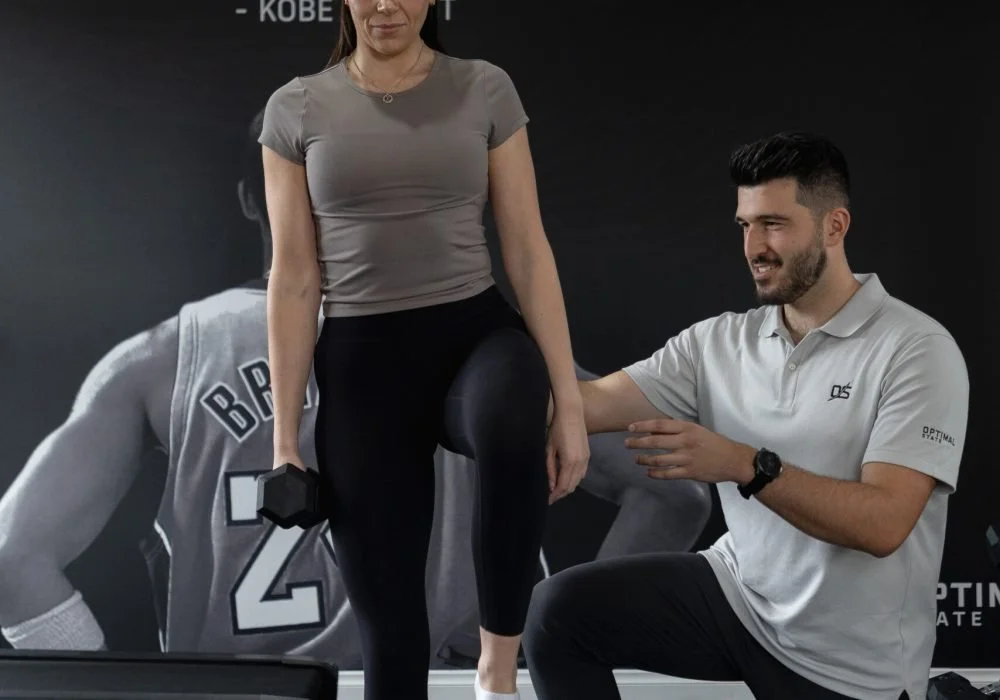
Lower Back Pain From Sport and Gym Training
Lower back pain is not limited to workplace injuries. Recreational sport and gym training are also common contributors.
Activities that may aggravate the lower back include:
Heavy lifting
Deadlifting with poor technique
Repetitive rotation
Running overload
High-impact sport
Sudden increases in training intensity
Active adults in their 40s and 50s commonly experience flare-ups while balancing work demands with regular exercise and sports.
Movement quality, recovery, mobility, and spinal loading all play an important role in reducing injury risk.
Can Spinal Decompression Help Lower Back Pain?
Spinal decompression therapy is sometimes discussed in relation to:
Disc bulges
Sciatica
Nerve irritation
Persistent lower back pain
What Is Spinal Decompression Therapy?
Some clinics use traction-style equipment designed to gently reduce pressure on spinal structures and temporarily improve mobility.
Potential Benefits and Limitations
Some people report:
Reduced pain
Improved mobility
Temporary symptom relief
However, long-term outcomes vary between individuals, and spinal decompression is generally considered part of a broader rehabilitation strategy rather than a standalone solution.
How To Choose a Lower Back Pain Clinic Near Caroline Springs
Finding the right clinic may influence both recovery outcomes and long-term spinal health. Many people searching for lower back pain treatment near Caroline Springs also want to understand what separates an evidence-informed provider from a generic treatment approach.
Learninghow to choose the right chiropractor in Melbourne’s West can help patients make more informed decisions about long-term spinal care and rehabilitation.
Questions To Ask Before Booking
Patients commonly ask:
Is treatment personalised?
Is exercise rehabilitation included?
Do they manage sciatica and disc injuries?
Is care focused on long-term prevention?
Do they treat workplace and sporting injuries?
There are several important factors that may influence treatment outcomes, communication, and long-term recovery planning. Understanding thethings that matter when choosing a chiropractor may help patients feel more confident when selecting a provider for lower back pain management.
What Makes a Good Lower Back Pain Clinic?
A quality lower back pain clinic near Caroline Springs often focuses on:
Evidence-informed care
Functional rehabilitation
Movement assessment
Structural and mechanical management
Individualised treatment plans
Long-term prevention strategies
Frequently Asked Questions
-
Mild lower back pain may improve within days or weeks. More persistent symptoms involving disc irritation, sciatica, or recurring flare-ups may require longer-term rehabilitation.
-
Common causes include:
Muscle strain
Disc irritation
Poor lifting mechanics
Excess spinal loading
Reduced movement control
-
Gentle walking is often recommended because it may help improve circulation, mobility, and muscular activation without excessive spinal stress.
-
Some people experiencing sciatica seek chiropractic care combined with exercise rehabilitation to help improve mobility and reduce mechanical stress contributing to nerve irritation.
-
Poor lifting mechanics, excessive loading, inadequate recovery, and reduced mobility may all contribute to lower back flare-ups during gym training or sport.