
How a Chiro Near Sydenham Assesses Spinal Dysfunction
Across Sydenham and surrounding suburbs like Burnside Heights, it is common to see adults in their 40s and 50s presenting with issues such as sciatica, disc-related lower back pain, tension headaches, wry neck, and spinal stiffness linked to physically demanding work or prolonged sitting.

A structured chiropractic assessment helps identify how the spine is moving, where mechanical restriction may exist, and whether symptoms may be related to joint dysfunction, postural overload, muscular imbalance, or nerve irritation.
For people unsure where to begin, understanding how to choose the right chiropractor in Melbourne’s west can also help clarify what to look for when seeking evidence-informed, movement-focused care.
This guide explains how a chiropractor assesses spinal dysfunction, what happens during a consultation, and why early assessment may help people better understand ongoing spinal pain or movement issues.
What Is Spinal Dysfunction?
Spinal dysfunction refers to reduced or altered movement within the spine that may contribute to pain, stiffness, tension, or restricted mobility. In many cases, it involves a combination of joint restriction, muscle imbalance, postural strain, or irritation of surrounding tissues.
It does not automatically mean serious injury or structural damage. Instead, many cases relate to mechanical stress placed on the spine over time through work demands, repetitive movement, prolonged sitting, lifting, or sporting activity.
A chiropractor assessing spinal dysfunction focuses on how the spine moves and functions rather than only where symptoms are felt.
Common contributing factors may include:
Repetitive lifting or bending
Prolonged desk posture
Physically demanding occupations
Reduced movement and mobility
Sports-related strain or overloading
Poor postural habits over time
Many patients searching for a chiropractor for spinal pain or a chiropractor for a stiff back are often experiencing symptoms that have gradually developed over months or years rather than from one specific incident.
Common Symptoms That Lead People to a Chiro Near Sydenham
People attending a chiro near Sydenham commonly present with:
Lower back pain associated with lifting, bending, or prolonged standing
Sciatica symptoms causing pain into the buttock or leg
Disc-related pain, often described as a “slipped disc” or disc bulge
Neck pain and headaches linked to prolonged desk posture
Wry neck or acute stiffness after an awkward movement or sleeping position
Shoulder and upper back tension from repetitive work demands
Postural strain from extended computer use
Reduced spinal flexibility or stiffness after inactivity
These issues are commonly seen in both physically demanding occupations and sedentary office-based roles. Some patients also experience symptoms such as tingling, numbness, or referred pain into the arms or legs. When this occurs, further neurological assessment may be required to determine whether nerve irritation is contributing to symptoms.
Early assessment may help identify whether symptoms are primarily related to movement restriction, muscular overload, posture, or possible nerve involvement.
People experiencing persistent upper back tension or posture-related neck discomfort may also benefit from learning more about upper back and neck pain treatment near Sydenham, particularly when symptoms are linked to prolonged sitting, repetitive movement, or active lifestyles.
Occupational and Postural Strain Patterns
Many people seeking a chiropractor near Sydenham are not necessarily dealing with a single injury event. Instead, symptoms often develop gradually through repetitive strain, prolonged posture, or physical workload over time.
Women commonly present with neck tension, headaches, and postural strain associated with occupations such as:
Teaching
Office administration
Reception work
Cleaning roles involving repetitive movement and bending
Men more frequently present with lower back pain, lifting injuries, disc-related symptoms, and spinal stiffness associated with:
Trades and construction work
Warehousing and logistics
Machine operation
Physically repetitive occupations
These patterns can place ongoing stress on the spine and surrounding muscles, particularly when movement mechanics or posture begin compensating under load.
Even prolonged sitting can contribute to significant spinal strain, especially when people spend long hours looking down at computers or working in static positions without adequate movement throughout the day.
A chiropractic spinal assessment aims to identify these movement restrictions and mechanical stress patterns before symptoms become more persistent or limiting.
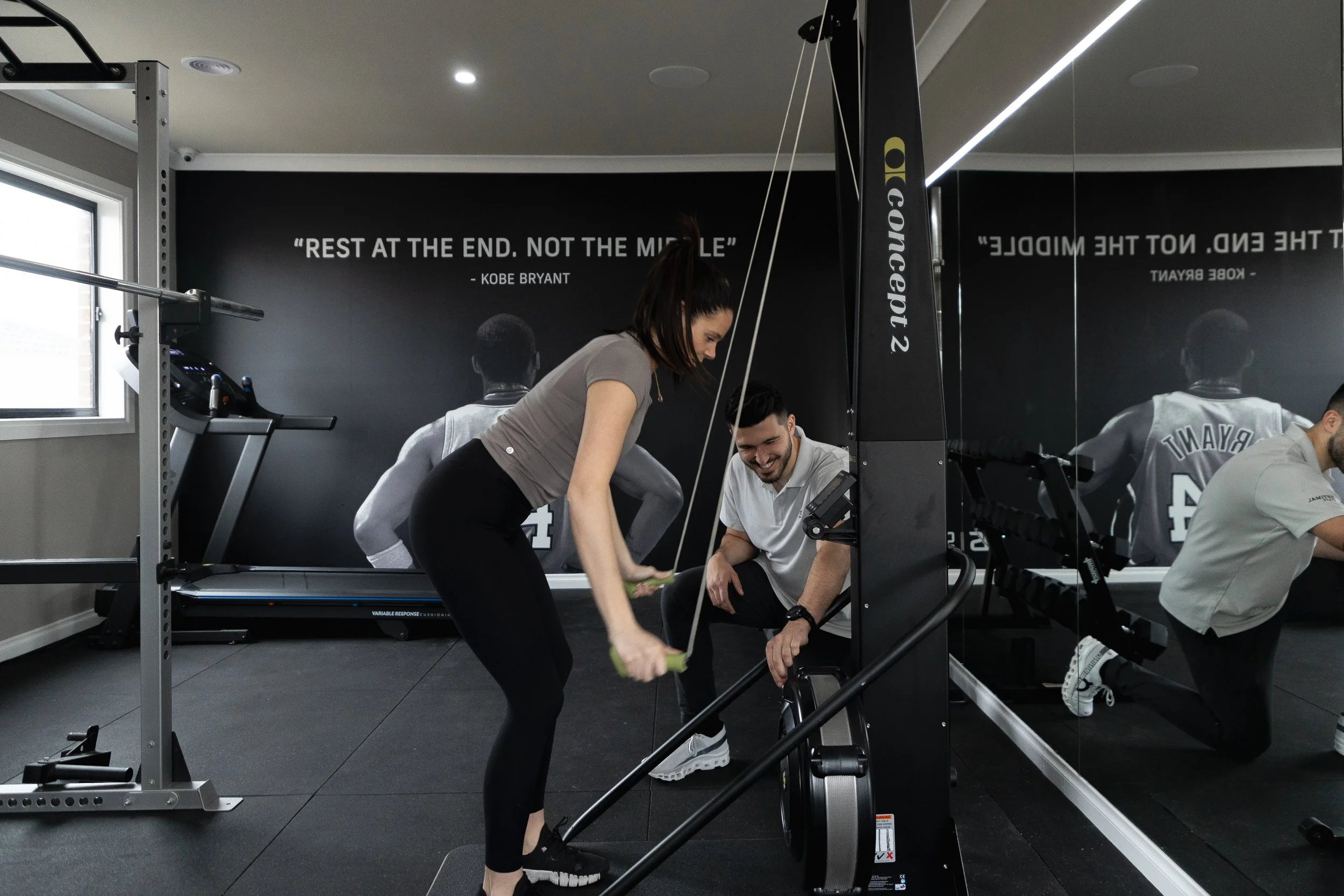
Sports and Recreational Activity-Related Strain
Sports-related strain is another common reason people seek a chiro near Sydenham, particularly among adults remaining active through gym training, golf, running, cycling, or recreational sports.
Repeated rotational movements, lifting loads, poor movement mechanics, or inadequate recovery between activities can contribute to:
Lower back stiffness
Disc irritation
Neck strain
Muscle tightness
Reduced spinal mobility
In many cases, symptoms develop gradually rather than from a major traumatic injury.
A structural chiropractic assessment may help determine whether spinal movement restriction, postural loading, or muscular imbalance is contributing to ongoing irritation during activity or recovery.
How a Chiropractic Spinal Assessment Works
A chiropractic spinal assessment involves a structured clinical evaluation designed to understand how the spine is functioning and what may be contributing to symptoms.
Rather than focusing only on the site of pain, the assessment looks at spinal mechanics, movement patterns, posture, and loading stress throughout the body.
1. Health History and Symptom Review
The first stage involves discussing the patient’s symptoms, daily activities, work demands, and medical history.
This helps the chiropractor understand:
When symptoms started
What aggravates or relieves symptoms
Whether symptoms are worsening over time
Occupational and lifestyle factors
Previous injuries or imaging history
Whether symptoms may involve nerve irritation
Patients with disc-related symptoms, sciatica, recurring neck pain, or postural strain often show clear movement or loading patterns that help guide assessment.
2. Posture and Movement Assessment
A posture and movement assessment evaluates how the body aligns and functions during standing, sitting, walking, and basic movement tasks.
This may include assessing:
Head and shoulder positioning
Pelvic alignment
Spinal curvature
Sitting posture
Bending and twisting movement
Walking mechanics
General spinal mobility
Many people are surprised how strongly posture contributes to neck pain, headaches, shoulder tension, and lower back discomfort. Prolonged sitting, repetitive work positions, and reduced movement throughout the day commonly place increased stress on spinal joints and muscles over time.
3. Spinal Mobility and Joint Assessment
Hands-on examination is used to assess how individual spinal joints are moving and whether areas of restriction or stiffness are present.
This may involve assessing:
Joint mobility
Muscle tightness
Movement asymmetry
Tenderness along the spine
Areas of muscular guarding
Segmental restriction
A structural chiropractic approach focuses on identifying areas where spinal mechanics may not be functioning efficiently under daily load and movement demands.
4. Neurological and Orthopaedic Testing
If nerve involvement is suspected, additional testing may be performed. This is particularly relevant for patients searching for a chiropractor for pinched nerve symptoms.
These tests may include:
Reflex testing
Muscle strength assessment
Sensory testing (light touch and response)
Orthopaedic stress tests to reproduce symptoms
These assessments help determine whether nerve pathways are functioning normally or showing signs of irritation.
5. Imaging and Referral When Appropriate
Imaging is not required for every patient. However, in certain cases, a chiropractor may recommend X-rays or referral for further imaging.
This may be considered when:
Symptoms are persistent or not improving
There is a history of trauma or injury
Neurological signs are present
Clinical findings require further clarification
This ensures that care decisions are safe and appropriate for the individual.
What Happens After the Assessment?
Once the assessment is complete, our chiro near Sydenham explains the findings clearly and outlines what may be contributing to symptoms.
Rather than focusing only on temporary symptom relief, a structural and movement-based approach aims to improve spinal function and reduce ongoing mechanical stress.
Management recommendations may include:
Joint mobilisation or manual therapy
Movement-based rehabilitation exercises
Postural advice
Ergonomic recommendations
Activity modification strategies
Mobility and strengthening exercises
The goal is to improve movement quality, reduce strain, and support longer-term spinal function.
What to Expect During Your Chiropractic Consultation
A typical chiropractic consultation at our Optimal State clinic may include:
Detailed health and symptom history
Postural and spinal assessment
Movement testing
Neurological screening if required
Explanation of findings
Discussion of management options
Many patients find that understanding why symptoms are occurring provides greater confidence and clarity around recovery and movement.
Frequently Asked Questions
-
A full assessment generally includes time for history-taking, physical examination, movement testing, and explanation of findings within a single consultation.
-
No. Most people do not require imaging before their first appointment unless specific clinical concerns are identified during assessment.
-
A chiropractor may assess movement restriction, nerve irritation, and spinal mechanics contributing to symptoms such as sciatica or disc-related lower back pain and recommend appropriate management strategies.
-
Comfortable clothing that allows easy movement is recommended to support posture and spinal assessment.
-
Many people experiencing posture-related neck pain, headaches, and upper back tension from prolonged desk work seek chiropractic assessment to better understand contributing movement and postural factors.
-
No. Chiropractic assessment may also be appropriate for neck pain, postural strain, movement restriction, sports-related spinal stress, and some nerve-related symptoms.