
If you are experiencing muscle, joint or back pain, you may be considering an appointment with an osteopath or chiropractor. One common question is whether you need to visit your GP first or obtain a referral before booking.
In Australia, you can generally contact an osteopath or chiropractor directly to arrange a standard private appointment. However, referral requirements may differ depending on how your appointment is funded.
If you are using Medicare, WorkSafe Victoria, the Transport Accident Commission (TAC) or another funding arrangement, it is important to check the relevant requirements before booking.
This guide explains when a referral may be needed, what to check before making an appointment and how to prepare for your first consultation.
Key Points
You can generally book a standard private appointment with an osteopath or chiropractor without a GP referral.
Different rules may apply when accessing care through a government-funded or compensation scheme.
Medicare rebates are subject to specific eligibility and referral requirements. A GP referral does not automatically make every allied health service eligible for a rebate.
Private health insurance benefits depend on your policy and insurer.
A GP may be the right first contact if you are unsure about your symptoms or need a medical assessment.
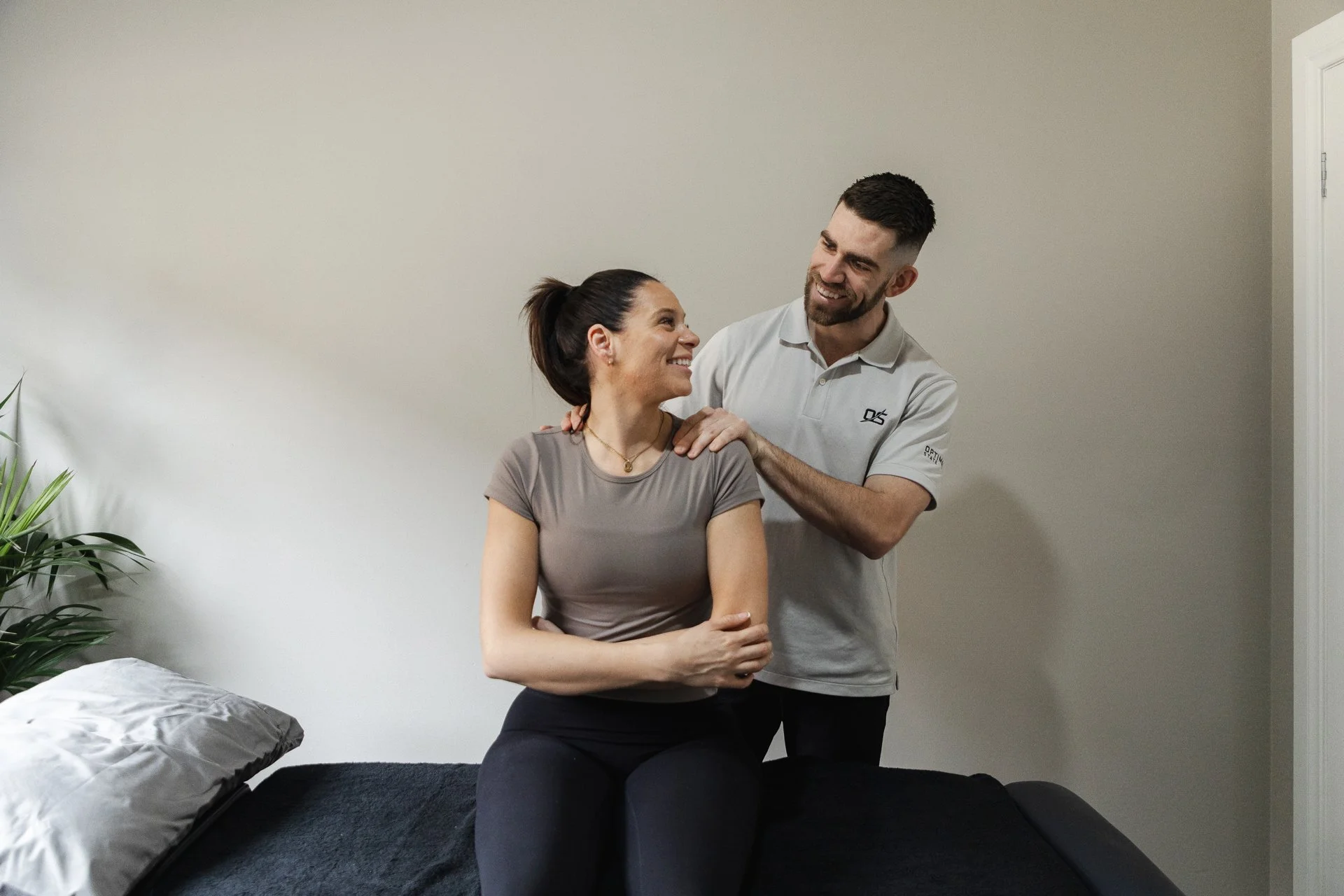
Do You Need a Referral to See an Osteopath or Chiropractor?
For a standard private appointment in Australia, you can generally contact an osteopath or chiropractor directly. You do not usually need to see your GP first simply to arrange a private consultation.
The two professions have different training and approaches to assessment and care. If you are unsure which practitioner may be appropriate for your concerns, you can read our guide to the differences between chiropractors, osteopaths and physiotherapists.
Although a referral is generally not needed for a standard private appointment, the requirements can change if you are accessing care through a particular funding scheme.
Do You Need a GP Referral to See an Osteopath Privately?
For a standard private osteopathy appointment, you can generally contact an osteopath directly.
You can find out more about the osteopathy services at Optimal State, including whether the service is suitable for the concerns you would like to discuss.
A referral may still be relevant if you are accessing care through a specific funding arrangement or if another healthcare professional has recommended an assessment. If you have a referral or relevant medical records, bring them to your appointment where appropriate.
Do You Need a GP Referral to See a Chiropractor?
For a standard private chiropractic appointment, you can generally contact a chiropractor directly without first obtaining a GP referral.
However, a referral or other documentation may be required under certain funding arrangements. It is worth checking the requirements of the relevant scheme before booking if you intend to claim benefits or have treatment funded through another organisation.
If you are uncertain whether chiropractic care is appropriate for your symptoms, consider speaking with your GP or another suitable healthcare professional.
When Might You Need a GP Referral?
Although a GP referral is not generally required for a standard private appointment, there are situations where a referral, treatment request or other approval process may apply.
The exact requirements depend on the funding arrangement and the type of service being accessed.
Medicare and Chronic Condition Management
Medicare has specific arrangements for eligible patients who need support from certain allied health professionals as part of an eligible chronic condition management plan.
However, not every allied health profession or appointment is covered under these arrangements. Eligibility depends on the current Medicare rules, the type of service, the referral pathway and the patient's circumstances.
Do not assume that a GP referral automatically makes a private osteopathy or chiropractic appointment eligible for a Medicare rebate. Check the current Medicare requirements with your GP or Services Australia before booking.
WorkSafe Victoria and TAC Claims
If your symptoms are related to a workplace injury or transport accident, different processes may apply.
WorkSafe Victoria and the TAC have their own requirements concerning referrals, treatment requests, approvals and payment. These requirements can depend on the claim, the treatment being requested and the stage of the claim.
Before arranging an appointment, check with your treating practitioner, claims contact or the relevant scheme to understand what documentation or approval is needed.
Do not assume that a referral alone guarantees that treatment will be approved or funded.
What Should You Check Before Making an Appointment?
A little preparation can help you understand the booking process and identify any information you may need to bring.
Check Your Funding Arrangements
If you plan to pay privately, ask the clinic about its appointment fees and payment arrangements before booking.
If you intend to use private health insurance, contact your insurer to check:
Whether your policy includes benefits for the service.
Whether the practitioner and service meet your policy requirements.
Whether waiting periods, annual limits or other conditions apply.
How claims are submitted and what documentation is needed.
If you are using Medicare, WorkSafe Victoria or the TAC, confirm the relevant eligibility, referral and approval requirements directly with the appropriate organisation.
Prepare Relevant Health Information
Before your appointment, consider making a note of:
What symptoms or concerns you would like to discuss.
When the symptoms began and whether anything seems to affect them.
Any relevant medical conditions, previous injuries or operations.
Medicines you currently take.
Previous investigations or reports that relate to your concern.
Questions you would like to ask the practitioner.
You may not need all these documents for every appointment. The clinic can explain what information is relevant to its booking process.
Knowing what to expect at your first allied health assessment may also help you prepare any questions or relevant health information.
When Should You See a GP or Seek Urgent Medical Care?
An osteopath or chiropractor is not a substitute for medical assessment when symptoms may indicate a more serious health concern.
If you are unsure about the cause of your symptoms, or they are persistent, worsening or affecting your usual activities, consider speaking with your GP. A GP can assess your general health and advise whether further investigation or another type of care is appropriate.
Symptoms That Need Medical Attention
Some symptoms need urgent medical assessment. These include:
New or worsening weakness in an arm or leg.
Significant new numbness or changes in sensation.
New difficulty with balance or walking.
New bladder or bowel problems alongside neurological symptoms.
A severe headache with fever, neck stiffness or confusion.
Severe pain or neurological symptoms following a significant injury.
Chest pain, particularly when accompanied by shortness of breath, sweating or feeling faint.
Sudden facial drooping, arm weakness or speech difficulty may be signs of a stroke. Call 000 if you suspect a stroke or another medical emergency.
If you are concerned that your symptoms may be serious, seek medical advice rather than waiting for a routine appointment.
What Happens When You Contact Optimal State?
If you are considering a private appointment, you can contact Optimal State to ask about the services available and the booking process.
The clinic offers chiropractic, osteopathy and rehabilitation services. The most appropriate service will depend on your concerns, health history and individual assessment.
If you would like to understand when to consider integrated allied health care, you can read more about how different allied health services may be relevant to a person's care.
What Does the Assessment Involve?
An initial appointment may involve a discussion about your concerns, symptoms, relevant health history and goals.
Depending on your circumstances and the practitioner, the assessment may include questions about when your symptoms began, your general health, previous injuries and any relevant investigations. The practitioner may also assess movement and carry out an appropriate physical examination.
The assessment helps the practitioner consider your presentation and discuss whether the service is suitable. If another type of medical assessment or care is more appropriate, this should be discussed with you.
What Might Treatment Involve?
If a service is considered appropriate, the practitioner should explain the proposed approach and discuss relevant considerations, including potential risks, benefits and alternatives.
The type of care will depend on the service, your circumstances and the findings of the assessment. You should have the opportunity to ask questions and make an informed decision about whether to proceed.
There is no single approach or appointment schedule that is suitable for everyone.
Frequently Asked Questions
-
For a standard private appointment, you can generally contact an osteopath directly without a GP referral. Different requirements may apply if you are accessing care through a funding scheme.
-
A GP referral is generally not required for a standard private chiropractic appointment in Australia. However, check the requirements of any funding or compensation scheme you intend to use.
-
Yes. You can generally contact an osteopath or chiropractor directly to arrange a private appointment. You can ask the clinic about its services, fees and booking requirements before making an appointment.
-
A GP referral does not automatically make an osteopathy or chiropractic appointment eligible for a Medicare rebate. Medicare benefits are subject to specific eligibility rules and eligible service arrangements. Check the current requirements with your GP or Services Australia.
-
You may wish to speak with your GP first if you are unsure about the cause of your symptoms, have other health concerns or need a medical assessment. Seek urgent medical care for serious or concerning symptoms rather than waiting for a routine appointment.
Booking an Appointment at Optimal State
For a standard private appointment, you can generally contact an osteopath or chiropractor directly without first obtaining a GP referral. If you plan to use Medicare or another funding arrangement, check its requirements before booking.
If you are considering an appointment at Optimal State, you can contact us to ask about our chiropractic, osteopathy and rehabilitation services and the booking process.
Optimal State
19 Chifley Circuit, Burnside Heights VIC 3023
Contact the clinic or book an appointment online.
The clinic serves people in Burnside Heights and surrounding Melbourne west communities, including Caroline Springs, Taylors Lakes and Sydenham.
_________________________________________________________________________________
This article provides general information and is not a substitute for individual medical advice. Funding and referral requirements can change. Check current scheme rules and seek advice from an appropriate healthcare professional about your circumstances.