
How Hip Mobility Affects Lumbar Spine Stress
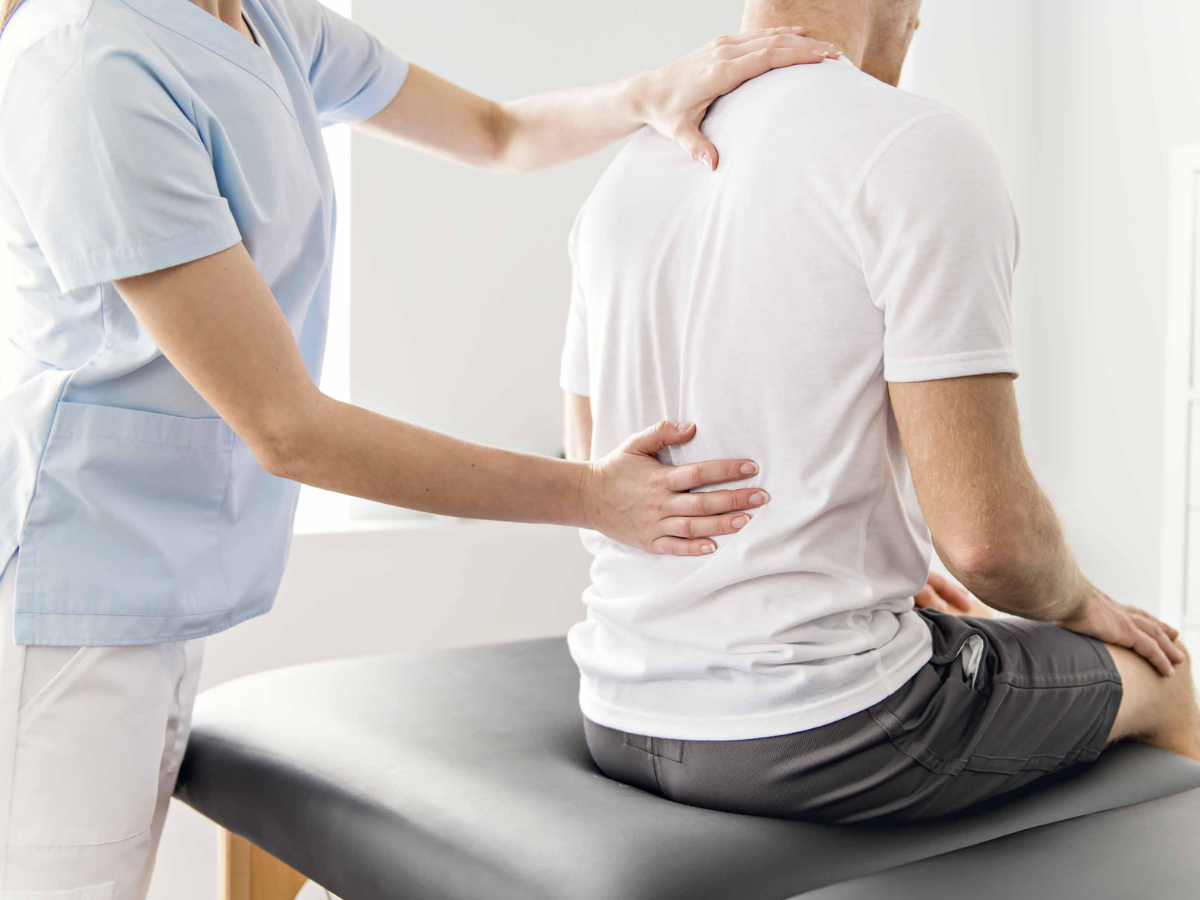
Lower back pain is one of the most common movement-related complaints among adults in Burnside Heights, especially among office workers, teachers, tradies, warehouse workers, cleaners, and machine operators who spend long hours either sitting, lifting, or working in repetitive positions.
Many people focus entirely on the lower back when pain develops. However, in many cases, the real issue may begin somewhere else entirely: the hips.
Poor hip mobility can increase mechanical stress through the lumbar spine during everyday movements such as bending, lifting, squatting, walking, gardening, gym training, and even prolonged sitting. When the hips lose flexibility and movement control, the lower back often compensates by moving excessively.
Over time, this may contribute to:
Lower back stiffness
Sciatica-like symptoms
Disc irritation
Muscle tension
Reduced movement efficiency
Recurring flare-ups during work or exercise
At our Burnside Heights clinic, we commonly see adults between 40–50 years old dealing with recurring lower back tightness, postural strain, neck pain, or disc-related symptoms linked to poor movement mechanics and reduced hip function.
A more structural approach focuses on improving how the body moves and loads during daily activity.
Why Poor Hip Mobility Can Increase Lumbar Stress
1. Restricted Hip Flexion During Bending and Lifting
Hip flexion refers to the ability to bend effectively through the hips during movements such as squatting, sitting, lifting, or reaching toward the floor.
When hip flexion becomes restricted, the body often compensates by increasing movement through the lower back instead. Rather than hinging smoothly through the pelvis and hips, people begin rounding excessively through the lumbar spine during movement.
This commonly occurs during:
Picking objects up from the floor
Gardening
Manual handling at work
Picking up children
Loading tools or equipment
Gym exercises such as deadlifts or squats
At first, this compensation may simply create stiffness or muscular fatigue. However, when repeated daily for months or years, excessive lumbar loading may contribute to irritation around the discs, joints, muscles, and surrounding spinal tissues.
Many people seeking exercise rehabilitation in Burnside Heights are often unaware that poor hip mobility and inefficient lifting mechanics may be contributing to their recurring lower back pain.
2. Tight Hip Flexors From Prolonged Sitting and Postural Strain
Modern lifestyles involve significant amounts of sitting. Prolonged sitting may gradually shorten the hip flexor muscles located at the front of the hips. Over time, this can affect pelvic position and increase tension through the lower back.
Tight hip flexors often contribute to:
Anterior pelvic tilt
Increased lower back arching
Reduced glute activation
Hip stiffness after sitting
Difficulty standing upright comfortably
Increased lumbar compression
This pattern is extremely common in adults experiencing postural strain associated with desk-based work. Exercise rehabilitation in Burnside Heights often focuses on improving hip mobility, pelvic control, postural strength, and movement quality to reduce unnecessary spinal stress associated with prolonged sitting.
3. Reduced Glute Activation and Hip Stability
The glute muscles play a critical role in movement efficiency and spinal support.
Strong and coordinated glutes help:
Stabilise the pelvis
Absorb force during walking and running
Control hip extension
Reduce unnecessary spinal loading
Improve lifting mechanics
However, prolonged sitting, inactivity, repetitive movement patterns, and poor movement habits may reduce glute activation over time.
A structured approach to exercise rehabilitation in Burnside Heights may help improve glute activation, hip stability, and movement coordination to better support the lumbar spine during everyday activity and training.
4. Limited Hip Rotation and Excessive Lumbar Twisting
The hips should rotate efficiently during walking, running, sports, changing direction, golf swings, and rotational lifting tasks. When hip rotation becomes restricted, the lower back often twists more aggressively to compensate.
Unlike the hips, the lumbar spine is not designed for excessive rotational loading. Repeated twisting compensation may irritate:
Facet joints
Lumbar muscles
Connective tissues
Disc structures
Without adequate hip mobility and rotational control, the lower back may absorb excessive twisting stress repeatedly.
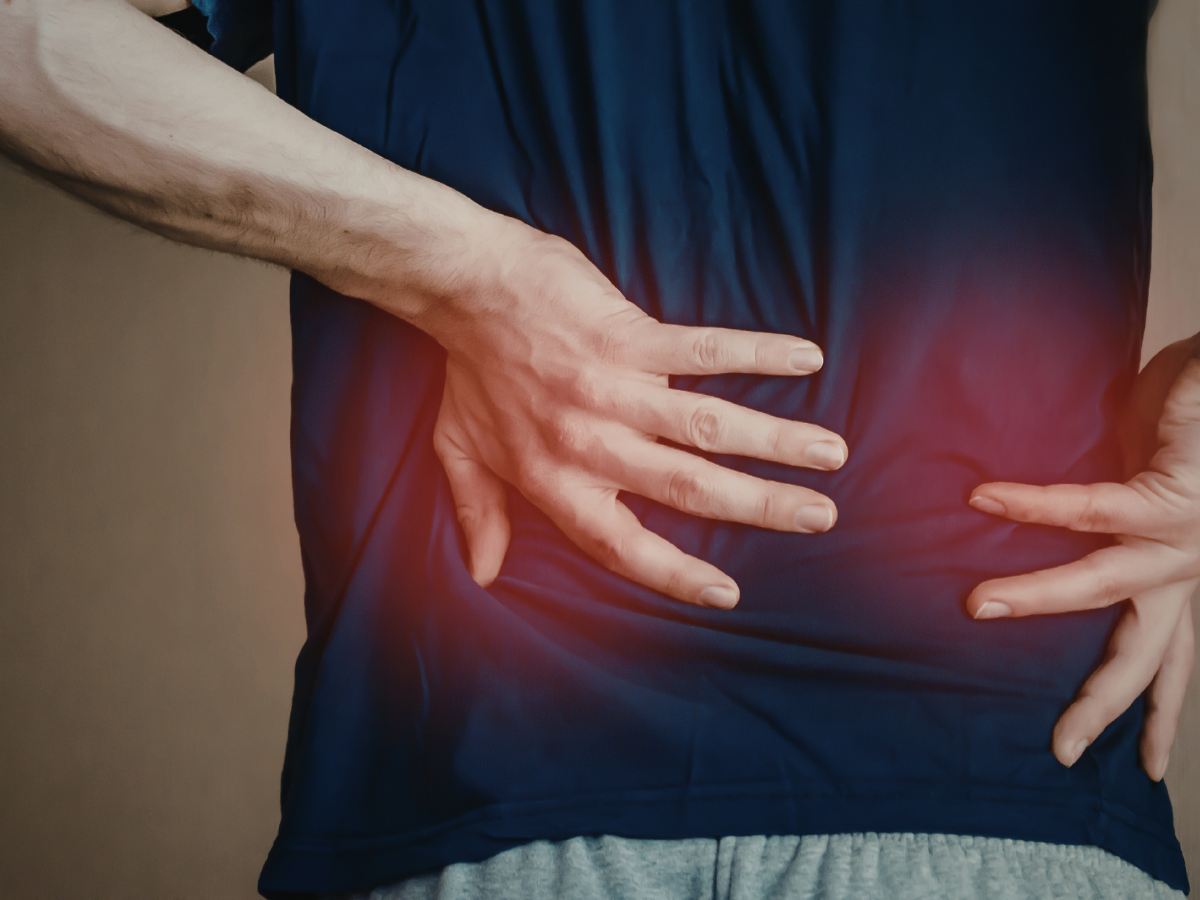
Common Signs Your Hips May Be Contributing to Lower Back Pain
Many people are unaware their hips are restricted until recurring symptoms begin interfering with work, exercise, or daily movement.
Some of the most common signs include:
Lower back tightness after sitting
Pain during bending or lifting
Difficulty squatting deeply
Feeling stiff when walking
Reduced hip flexibility
Tightness after gym training
Recurring sciatica-like symptoms
Lower back fatigue during physical activity
Feeling “compressed” through the lower back
Difficulty standing upright after prolonged sitting
Athletes and gym-goers may also notice:
Deadlifts felt mostly in the lower back
Limited squat depth
Reduced running efficiency
Tight hips during warm-ups
Poor rotational movement during sport
These signs often suggest the body is compensating for reduced hip movement capacity. For many adults, exercise rehabilitation in Burnside Heights may help identify the underlying movement restrictions contributing to recurring lumbar stress and poor movement efficiency.
How Poor Hip Mobility Can Affect Sport and Gym Training
Sport and gym training place significant demands on both hip mobility and spinal control.
Movements such as squats, deadlifts, sprinting, running, lunges, jumping, and rotational drills all require efficient force transfer through the hips and pelvis.
When mobility restrictions exist, the lower back may absorb more force during training. Over time, this may contribute to:
Recurrent lumbar tightness
Reduced recovery
Sciatica-like irritation
Movement inefficiency
Increased fatigue during training
Many adults in Burnside Heights attempt to continue training despite ongoing stiffness, often repeatedly aggravating the same movement patterns.
A structural approach to rehabilitation aims to improve movement quality, hip mobility, pelvic control, lifting mechanics, and load tolerance rather than simply masking symptoms temporarily.
Frequently Asked Questions
-
Yes. Tight hips may force the lower back to compensate during bending, lifting, and rotation, increasing stress on spinal joints and muscles over time.
-
Poor hip mobility may contribute to movement compensation and increased lumbar stress, which can aggravate sciatica-like symptoms in some people.
-
Prolonged sitting may tighten the hip flexors, reduce glute activation, and increase stiffness around the hips and pelvis, placing more stress on the lower back during movement.
-
Usually not. Most people benefit from both mobility work and strengthening exercises to improve long-term movement control and spinal support.
-
We commonly see:
Office workers
Teachers
Receptionists
Cleaners
Tradies
Warehouse workers
Machine operators
develop lower back pain associated with postural strain, repetitive lifting, or reduced hip mobility.
-
Yes, poor lifting mechanics combined with restricted hip mobility may increase lumbar loading during exercises such as squats and deadlifts.
-
You should seek assessment if symptoms persist, worsen, radiate into the leg, or interfere with work, exercise, or daily movement.