
How Pelvic Imbalances Affect the Lower Back
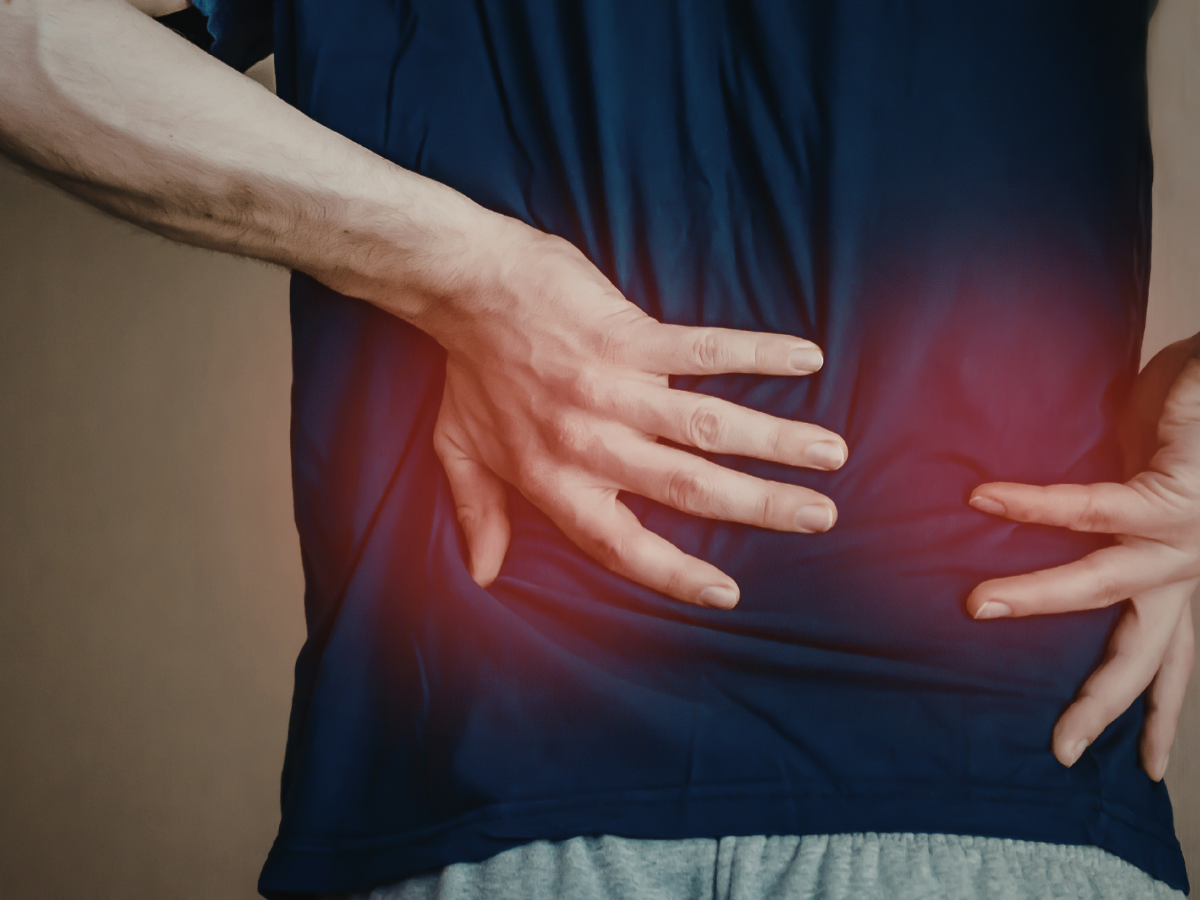
Lower back pain is one of the most common musculoskeletal complaints among adults in Burnside Heights, especially for people working in physically demanding jobs or spending long hours sitting at a desk. While many people focus only on the spine itself, the pelvis often plays a major role in how the lower back moves, stabilises, and absorbs stress.
When the pelvis is not functioning well mechanically, it can place additional strain on the lumbar spine, hips, and surrounding muscles. Over time, this may contribute to ongoing stiffness, recurring lower back pain, postural tension, or symptoms that radiate into the glutes and legs.
In clinical practice, many people experiencing sciatica, disc-related lower back pain, postural strain, or recurring tightness are surprised to learn that pelvic positioning and movement control are contributing factors.
For adults in Burnside Heights working in trades, warehousing, teaching, office-based roles, cleaning, or machine operation, these patterns are especially common due to repetitive movement, prolonged sitting, lifting demands, or sustained postural stress.
What Is a Pelvic Imbalance?
A pelvic imbalance occurs when the pelvis shifts away from its more neutral and mechanically efficient position. This can happen gradually over time due to:
Repetitive work demands
Poor posture
Prolonged sitting
Muscle imbalance
Previous injuries
Reduced mobility
Weakness through the core and hips
Because the pelvis acts as the foundation of the spine, even small changes in alignment or movement can affect how force travels through the lower back.
Quick Answer: Can Pelvic Imbalance Cause Lower Back Pain?
Yes. Pelvic imbalance can increase stress through the lumbar spine, alter posture, and reduce movement efficiency. Over time, this may contribute to lower back pain, muscle tightness, disc irritation, or symptoms associated with sciatica.
How the Pelvis and Lower Back Work Together
The pelvis connects the spine to the lower limbs and helps distribute load evenly during movement. When functioning properly, it supports efficient walking, lifting, bending, and standing.
However, when pelvic mechanics are altered, the lower back often compensates.
This compensation may lead to:
Increased tension in the lumbar muscles
Reduced spinal mobility
Uneven pressure through joints and discs
Postural strain
Fatigue during daily activity
Recurring episodes of lower back discomfort
In many adults aged 40–50, especially those with physically repetitive occupations or long periods of desk work, these issues often build gradually rather than appearing suddenly.
Common Types of Pelvic Imbalance
1. Anterior Pelvic Tilt
Anterior pelvic tilt occurs when the pelvis rotates forward excessively. This commonly increases the arch in the lower back and places additional pressure through the lumbar spine.
This pattern is often associated with:
Tight hip flexors
Weak glute muscles
Reduced abdominal strength
Prolonged sitting
Sedentary office work
People may notice:
Lower back tightness
Discomfort standing for long periods
Hip stiffness
Poor postural endurance
2. Posterior Pelvic Tilt
Posterior pelvic tilt occurs when the pelvis rotates backward and flattens the normal lumbar curve.
This may contribute to:
Reduced spinal shock absorption
Hamstring tightness
Lower back stiffness
Restricted movement
This pattern is commonly seen in people with prolonged sitting habits, reduced physical conditioning, or compensatory movement patterns following injury.
3. Uneven Pelvic Positioning
Sometimes one side of the pelvis sits higher or rotates differently compared to the other side.
This may develop from:
Repetitive work activities
Previous injuries
Asymmetrical loading
Leg length differences
Sporting demands
Over time, uneven loading may contribute to:
Chronic lower back pain
Hip discomfort
Muscle tightness
Altered walking patterns
Common Signs of Pelvic Dysfunction
Pelvic imbalance does not always present as obvious pain immediately. Symptoms often build gradually over months or years.
Common signs include:
Persistent lower back tightness
Pain after prolonged sitting
Hip stiffness
Reduced flexibility
Uneven posture
Muscle fatigue
Discomfort during lifting
Recurring postural strain
Pain radiating into the glutes or legs
Some individuals may also experience symptoms associated with sciatica, including tingling, burning, or discomfort extending down the leg.
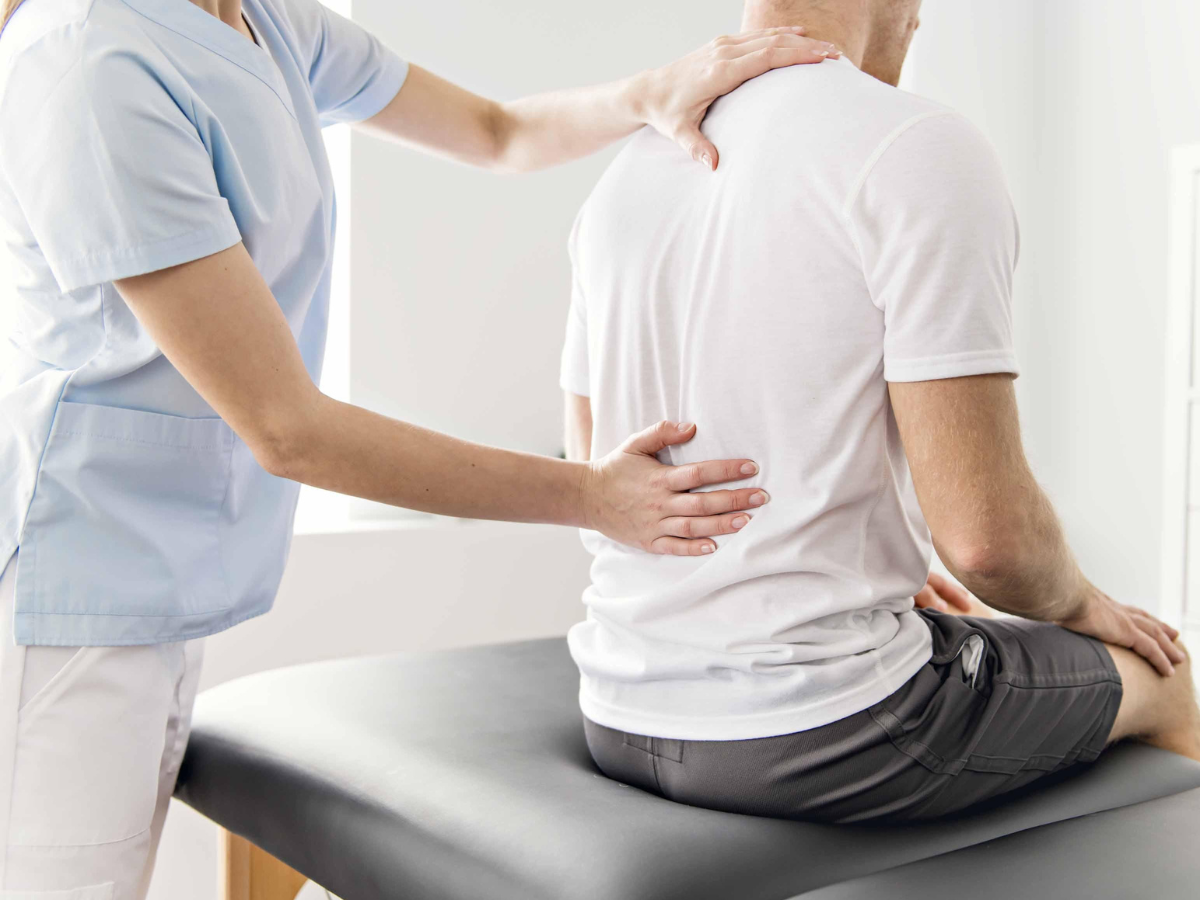
Why Pelvic Imbalances Develop
Work-Related Postural Stress
In Burnside Heights, many people work in occupations that place repetitive stress on the body.
For women, common contributing factors may include:
Cleaning work
Reception and desk-based roles
Teaching
Office administration
These occupations often involve:
Prolonged sitting
Forward head posture
Repetitive bending
Looking down at screens for extended periods
For men, contributing occupational demands commonly include:
Trades work
Warehousing
Machine operation
Repetitive lifting
Long periods standing on hard surfaces
These physical demands can gradually overload the pelvis, hips, and lower back over time.
Sports and Activity-Related Strain
Pelvic imbalance is also common in active adults and recreational athletes.
Repeated twisting, running, lifting, or uneven loading patterns may place stress on:
The lumbar spine
Hip joints
Gluteal muscles
Core stabilisers
Without adequate strength and movement control, these compensations may eventually contribute to:
Lower back pain
Disc irritation
Sciatic symptoms
Reduced mobility
Recurrent muscle strain
Can Pelvic Imbalance Contribute to Disc Problems?
Poor pelvic positioning may increase pressure through the lumbar discs over time, particularly during:
Lifting
Bending
Twisting
Repetitive work activities
This may contribute to presentations commonly described as:
Disc bulges
“Slipped discs”
Disc irritation
Mechanical lower back pain
In some cases, osteopathic treatment for bulging disc presentations may focus on improving mobility, reducing surrounding muscular tension, and supporting better movement mechanics.
While imaging findings are only one part of the picture, improving movement quality and reducing excessive spinal stress is often an important part of recovery.
When to Seek Professional Assessment
It may be worth seeking professional assessment if you experience:
Persistent lower back pain
Recurring sciatica symptoms
Ongoing postural strain
Reduced mobility
Pain during lifting or physical work
Recurring neck or lower back tightness
Symptoms that continue despite rest
Early management may help reduce the likelihood of long-term compensation patterns developing.
FAQ
-
Yes. Pelvic imbalance can alter spinal loading and movement mechanics, increasing strain through the lower back and surrounding muscles.
-
It can contribute to nerve irritation and mechanical stress around the lower spine, which may lead to symptoms commonly associated with sciatica.
-
Jobs involving prolonged sitting, repetitive lifting, standing for long periods, or repetitive movement patterns may contribute. This commonly includes office workers, teachers, cleaners, tradespeople, machine operators, and warehouse workers.
-
Yes. Reduced pelvic stability and movement control may affect running, lifting, mobility, and overall movement efficiency.
-
Targeted strengthening and movement retraining often play an important role in improving pelvic control, posture, and lower back function.
-
Usually not. While mobility work may help reduce tension, long-term improvement often requires strengthening and movement correction as well.
-
Not necessarily. Many movement dysfunctions are identified through physical assessment and movement analysis rather than imaging alone.