
The Long-Term Benefits of Exercise Rehabilitation Near Delahey After Injury
Recovering from an injury involves far more than waiting for the pain to settle. While discomfort may gradually improve, the underlying issues that contributed to the injury, such as muscle weakness, reduced mobility, poor posture, or altered movement patterns, can remain long after symptoms disappear. Without proper rehabilitation, these problems may increase your risk of persistent pain or future injuries.
At Optimal State, located in Burnside Heights, we regularly help people from Delahey, Keilor Downs, Taylors Hill, Sydenham, Caroline Springs, Deer Park, and the surrounding western suburbs of Melbourne recover from sports injuries, lower back pain, neck pain, postural strain, workplace injuries, and post-surgical conditions. Every rehabilitation program is tailored to your goals, lifestyle, and physical demands to help you move better for the long term.
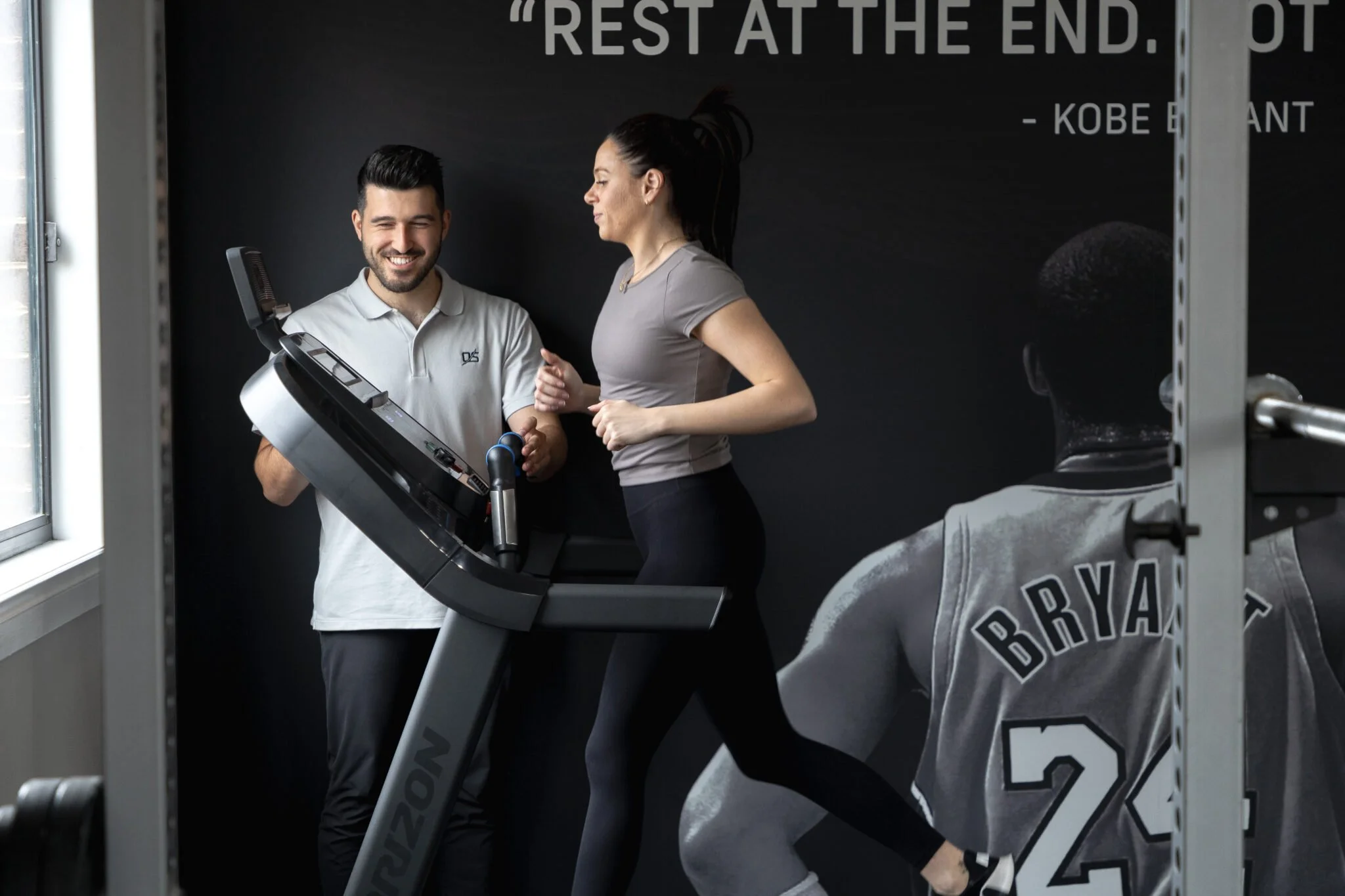
What Is Exercise Rehabilitation?
Exercise rehabilitation is an evidence-informed treatment approach that uses carefully prescribed exercises to restore strength, mobility, flexibility, balance, and overall function after an injury or ongoing musculoskeletal condition.
Every rehabilitation program should be personalised based on factors such as:
Your injury or condition
Your age and activity level
Occupation and physical demands
Previous injuries
Current movement patterns
Recovery goals
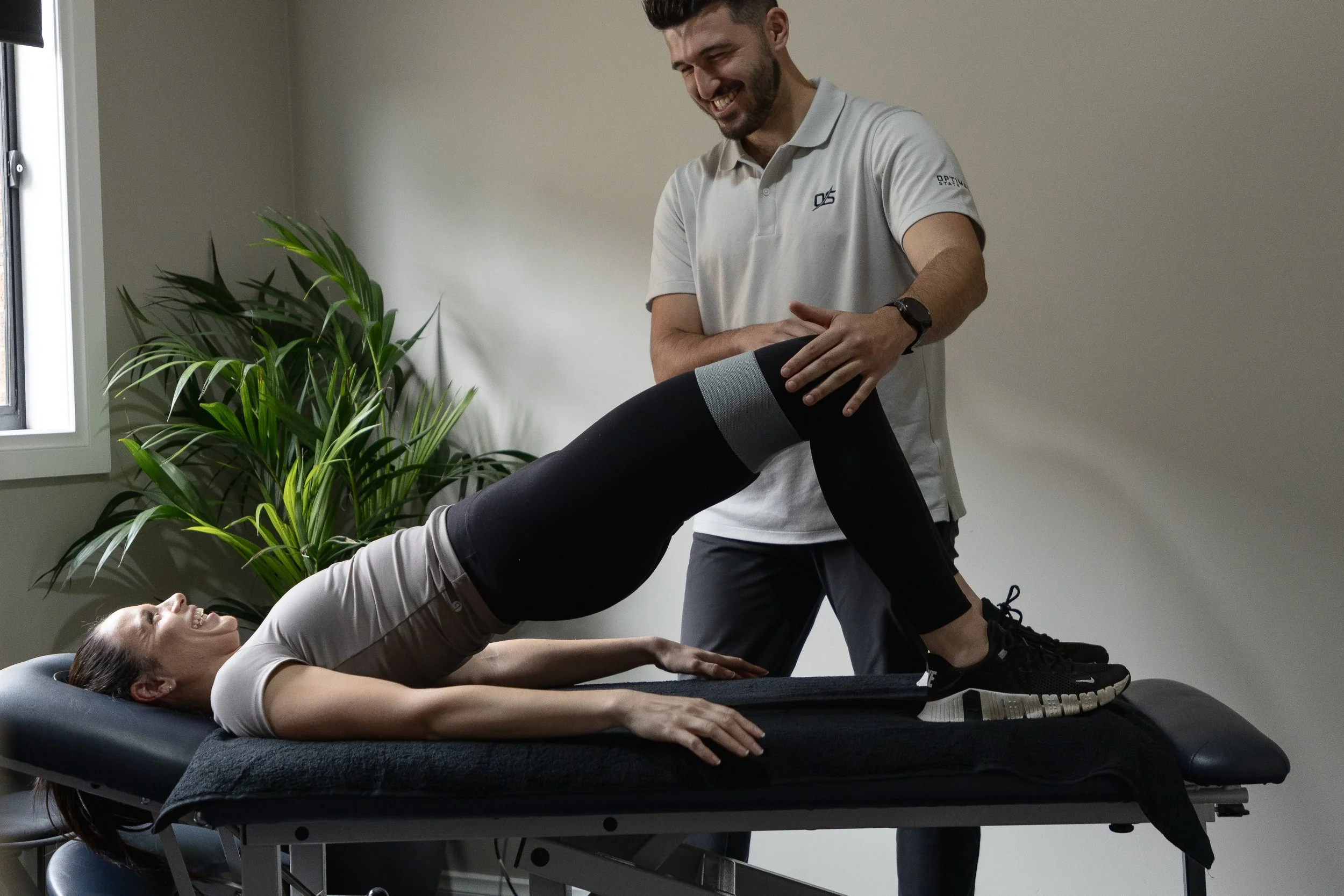
The goal is to reduce pain, restore normal movement, improve physical capacity, and reduce the likelihood of recurring injuries. While exercise rehabilitation plays a vital role in recovery, many patients achieve the best outcomes when it is combined with hands-on treatment. Learn more about why combining manual therapy and rehabilitation often leads to better long-term results.
Here are seven key long-term benefits of exercise rehabilitation after injury.
1. Restores Strength Safely and Progressively
Muscle weakness is one of the most common effects following an injury.
When you experience pain, your body naturally changes the way you move to protect the injured area. While this protective response can be helpful initially, it can also cause surrounding muscles to become weaker over time.
A structured rehabilitation program gradually rebuilds strength while ensuring your body is not overloaded too quickly.
2. Improves Mobility and Flexibility
When joints become stiff and muscles lose flexibility, everyday activities can become more challenging.
You may notice difficulty with:
Bending down
Reaching overhead
Turning your neck
Walking longer distances
Climbing stairs
Returning to exercise
Exercise rehabilitation uses targeted mobility exercises and stretching strategies to restore your body's movement capacity.
3. Improves Balance, Coordination and Stability
After an injury, particularly involving the ankle, knee, hip, or lower back, the body's ability to sense joint position and control movement can become affected. This ability, known as proprioception, helps your nervous system understand where your body is positioned and respond appropriately.
Balance and stability exercises help retrain these systems by improving:
Joint control
Coordination
Reaction ability
Movement confidence
Functional strength
For residents around Delahey, Caroline Springs, and Melbourne's western suburbs, improving balance and stability can make everyday movements safer and more comfortable.
4. Helps Prevent Re-Injury
One of the biggest advantages of exercise rehabilitation is reducing the likelihood of the same injury happening again.
Many recurring injuries occur because the original cause was never fully addressed.
A comprehensive injury rehabilitation program focuses on improving the factors that contribute to recurring problems.
5. Supports a Safe Return to Work or Sport
Returning to normal activities too quickly is one of the most common reasons injuries return. Feeling less pain does not always mean your body is ready for full physical demands.
A safe return-to-work or return-to-sport program gradually rebuilds your capacity through progressive loading.
Depending on your goals, rehabilitation may include:
Functional strength exercises
Sport-specific movements
Work-specific movement training
Endurance progression
Agility and coordination exercises
Movement assessments
A gradual approach ensures your body is prepared before returning to higher levels of activity.
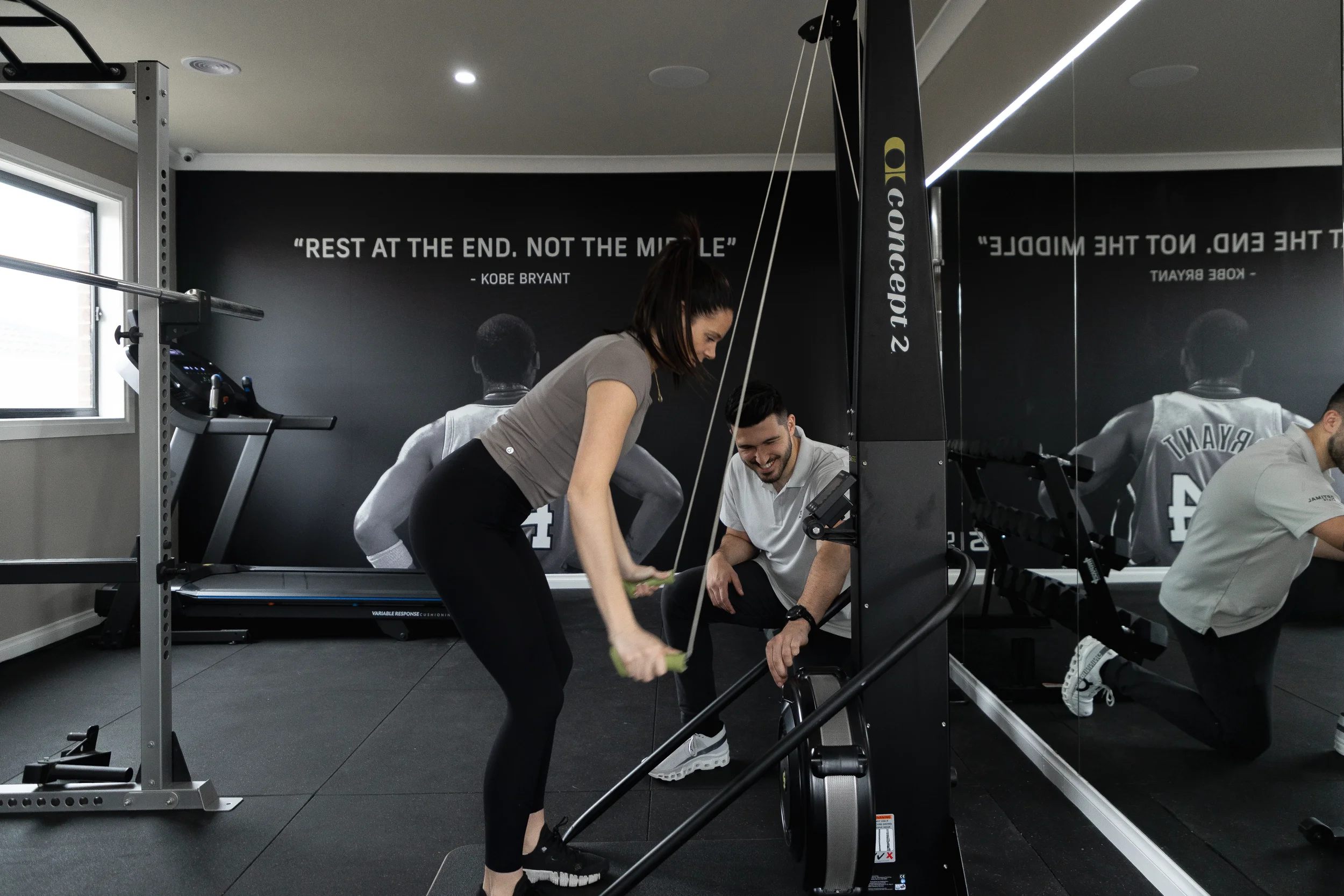
6. Reduces Ongoing Pain by Improving Movement Quality
Persistent pain is often linked to ongoing changes in how your body moves after an injury.
When certain muscles become weaker or joints move differently, other areas may compensate, creating additional stress.
Exercise rehabilitation addresses these contributing factors by improving posture, strength, flexibility, joint control, and movement coordination. For example, people experiencing ongoing lower back pain may benefit from exercises targeting:
Core strength
Hip mobility
Spinal control
Functional movement patterns
7. Promotes Long-Term Health, Independence and Quality of Life
Exercise rehabilitation is not only about recovering from today's injury. It also helps build the physical foundations needed to stay active and independent in the future. Maintaining strength, mobility, balance, and confidence allows you to continue participating in:
Work
Exercise
Recreational activities
Family activities
Everyday tasks
For many adults, successful rehabilitation means being able to do the things they enjoy without constantly worrying about pain or another injury occurring.
Who Can Benefit from Exercise Rehabilitation Near Delahey?
Exercise rehabilitation isn't only for elite athletes. We regularly help adults between 35 and 55 years of age who want to continue working, exercising, and enjoying an active lifestyle without persistent pain.
Common people we see include:
Office workers experiencing neck pain from prolonged computer use
Receptionists and administrators with postural strain
Teachers dealing with lower back and shoulder pain
Cleaners performing repetitive physical tasks
Tradespeople lifting heavy materials
Warehouse workers managing physically demanding jobs
Machine operators experiencing ongoing spinal strain
Recreational athletes recovering from sports injuries
Many injuries develop gradually over months or years rather than from one significant incident. A personalised rehabilitation program helps restore efficient movement before these problems become chronic.
Common Conditions That Respond Well to Exercise Rehabilitation
Exercise rehabilitation is commonly recommended for a wide range of musculoskeletal conditions, including:
Lower back pain
Sciatica
Disc bulges ("slipped discs")
Neck pain
Tension headaches
Wry neck
Postural strain
Shoulder injuries
Knee injuries
Ankle sprains
Hamstring strains
Tendon injuries
Workplace injuries
Sports injuries
Post-surgical rehabilitation
Chronic pain conditions
By improving movement quality, strength, flexibility, and joint control, rehabilitation helps people return to normal activities with greater confidence while reducing the likelihood of future injuries.
Why Choose Optimal State for Exercise Rehabilitation Near Delahey?
Located in Burnside Heights, Optimal State supports residents across Delahey and Melbourne's western suburbs with personalised chiropractic, osteopathy, and exercise-based rehabilitation services.
We focus on providing care that is:
Individualised: Every rehabilitation program is tailored around your injury, goals, lifestyle, and recovery progress.
Evidence-Informed: Your treatment plan is based on current clinical knowledge and focuses on improving function rather than relying only on short-term symptom management.
Goal-Focused: Whether your goal is returning to sport, getting back to work, improving mobility, or simply moving comfortably again, your rehabilitation plan is designed around what matters most to you.
Practical: We focus on exercises and strategies that fit into your daily routine so rehabilitation becomes achievable and sustainable.
What Our Patients Say About Their Recovery
Real patient experiences provide valuable insight into what rehabilitation can achieve.
Improved Mobility After Ongoing Back and Neck Pain
"After a ongoing back and neck injury, trying many other services from chiro to physio, one session with Dr Matthew, has significantly helped my sleep last night, and overall mobility in my neck, very professional and can tell he knows what he is talking about, will be back for ongoing maintenance, thanks Matt!" — Brendon Smith
Brendon's experience highlights how a thorough assessment and personalised treatment approach can help people experiencing ongoing neck and back concerns improve mobility and quality of life.
Improved Wrist Strength and Function After Injury
"I recently saw Dr Stefan for a wrist and arm injury, I’ve struggled with weak wrists for years. After just two sessions with him, I’ve noticed a huge improvement in both strength and function. I’m honestly amazed at the difference already. Stefan is knowledgeable, professional, and really takes the time to understand the issue. Highly recommend!" — Jessica Lombardi
Jessica's recovery demonstrates the importance of identifying the underlying factors contributing to reduced strength and creating a rehabilitation plan that targets long-term improvement.
Frequently Asked Questions
-
The ideal time to begin exercise rehabilitation depends on the type, severity, and stage of your injury. Your rehabilitation program should always be tailored to your specific condition, ensuring exercises are safe and appropriate for your current stage of recovery.
-
Yes. One of the key benefits of exercise rehabilitation is reducing the risk of future injuries by addressing the factors that contribute to recurring problems. A well-designed rehabilitation program can improve muscle strength, joint stability, balance, flexibility, Movement control, and physical confidence.
-
Yes. Exercise rehabilitation is commonly used to support people experiencing lower back pain, sciatica, and disc-related conditions. Rather than focusing only on pain reduction, rehabilitation aims to improve how your body moves and performs to support long-term recovery.
-
Yes. Home-based exercise rehabilitation can be highly effective when it is designed around your individual condition and guided by a qualified clinician. A personalised home program allows exercises to fit naturally into your daily routine while still progressing towards your recovery goals.
-
Yes. Post-surgical rehabilitation is an important part of restoring movement, strength, and function after many procedures. A structured rehabilitation program can help you regain strength, improve mobility, restore confidence in movement, return to daily activities safely, and progress towards work or sport goals.
-
Yes. Exercise rehabilitation can play an important role in helping people recover from workplace-related injuries. A rehabilitation program can focus on rebuilding the strength, mobility, and confidence required to safely return to work.
-
No. Exercise rehabilitation is suitable for people of all activity levels. You do not need to play competitive sport or be highly active to benefit. The program is designed around your goals; not your current fitness level.
Take the Next Step Towards Long-Term Recovery
Recovering from an injury is about more than waiting for pain to disappear.
Without addressing the underlying factors behind an injury, problems such as weakness, reduced mobility, and poor movement patterns may continue and increase the risk of future setbacks.
A personalised exercise rehabilitation program near Delahey can help you:
Restore strength
Improve mobility
Build confidence
Return safely to work or sport
Reduce the likelihood of recurring injuries
At Optimal State, we provide personalised rehabilitation support for residents across Delahey, Burnside Heights, Caroline Springs, Taylors Hill, Keilor Downs, Sydenham, and Melbourne’s western suburbs.
If you are experiencing ongoing pain, recovering from an injury, or unsure how to safely return to activity, our team can help assess your condition and develop a rehabilitation plan tailored to your goals.
Contact Optimal State today to book your rehabilitation assessment and take the next step towards moving better, feeling stronger, and returning to the activities you enjoy.