
When dealing with lower back pain, sciatica, disc bulges, neck pain, headaches, wry neck, or postural strain, many people ask whether they should focus on manual therapy vs rehab.
In reality, the choice is not an either-or decision.
Most musculoskeletal problems are driven by a combination of:
Joint restriction
Muscle overload
Reduced movement control
Poor load tolerance from daily or sporting activity
This is why the most effective outcomes come from combining manual therapy and structured rehabilitation services in Burnside Heights and surrounding areas
Together, they restore movement, rebuild strength, and reduce the risk of recurrence.
Our Approach at Optimal State
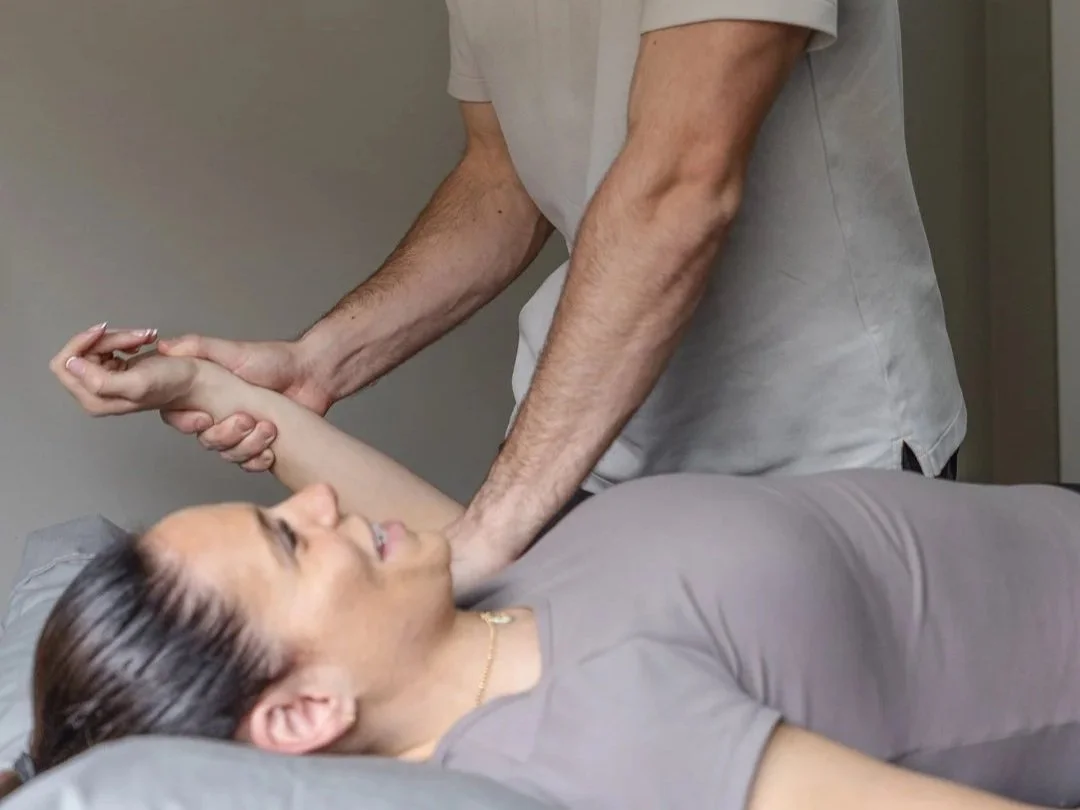
At Optimal State, our philosophy is simple: we use manual therapy to restore movement and rehab to rebuild capacity.
We combine:
Rehabilitation services in Burnside Heights
Exercise-based recovery programs
This integrated model supports both pain relief and long-term change, not just short-term symptom reduction.
What Is Manual Therapy?
movement quality, reduce pain, and address mechanical restrictions in the body.
It is commonly used for conditions such as back pain, neck stiffness, and sports injuries.
Key manual therapy techniques include:
Soft tissue mobilisation: Reduces muscle tightness and improves circulation
Joint mobilisation therapy: Restores restricted joint movement
Myofascial release therapy: Reduces fascial tension and improves flexibility
Spinal manipulation therapy: Improves spinal mobility and segmental function
Manual therapy is not just “relaxation work." It helps to:
Reduce joint stiffness and mechanical restriction
Decrease protective muscle guarding
Improve immediate movement quality
Reduce pain sensitivity so movement becomes easier
For many patients seeking exercise rehabilitation near Delahey, this initial phase is essential before loading exercises can be performed effectively.
What is Rehab?
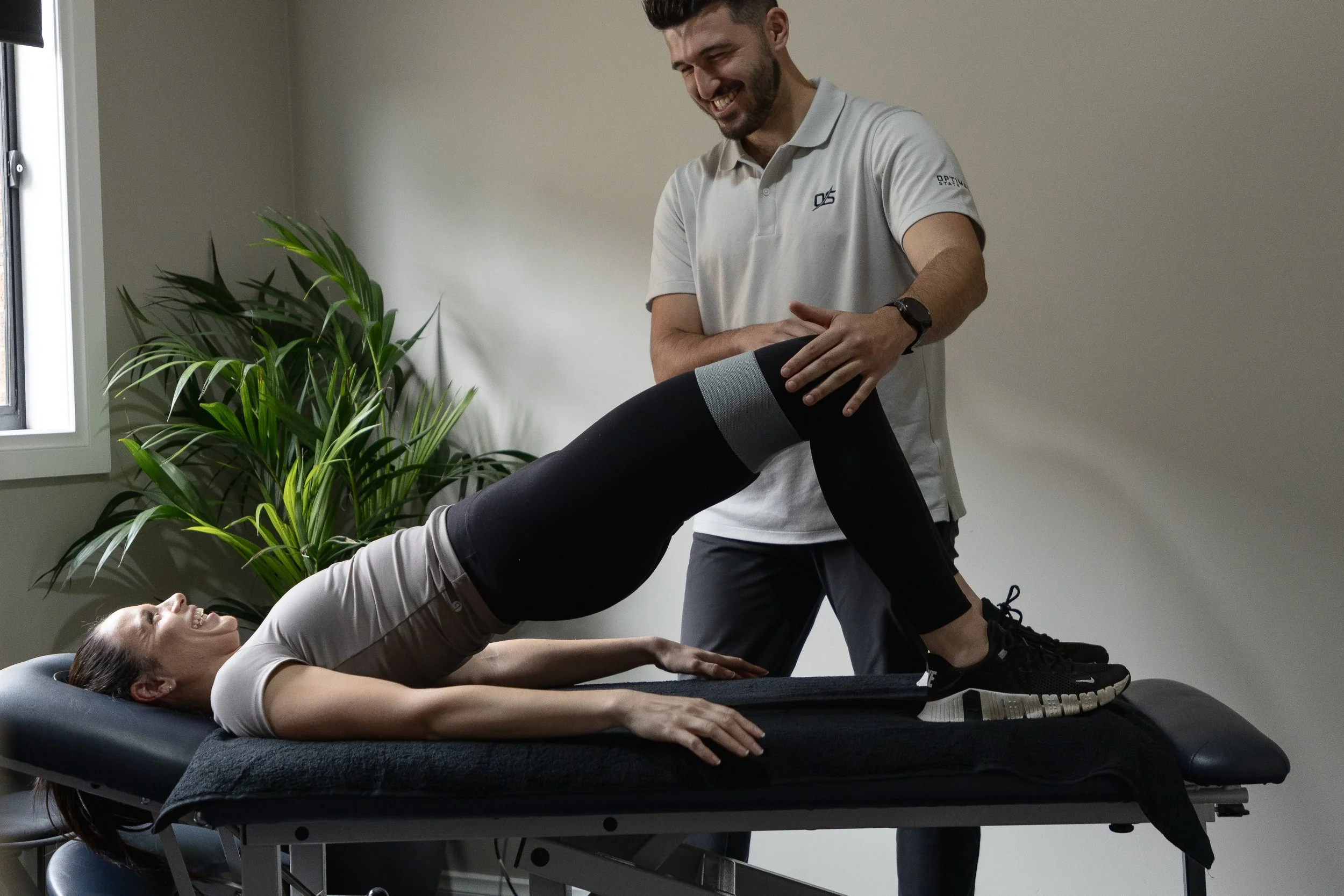
Rehabilitation focuses on active movement, loading, and control to restore full function after injury. This may be delivered through a structured injury rehabilitation program designed by an injury rehab specialist.
Rehab typically includes:
Progressive strength and resistance training
Core stability and control exercises
Movement retraining to correct compensation patterns
Functional exercises based on work, sport, or daily life demands
What rehab achieves:
Rehab is responsible for:
Increasing tissue load tolerance
Restoring strength and stability
Improving movement control under stress
Reducing recurrence of injury
While manual therapy improves how you move, rehab determines how well you can handle load over time.
Manual Therapy vs Rehab: Key Differences
| Manual Therapy | Rehab |
|---|---|
| Hands-on physiotherapy treatment | Active exercise-based recovery |
| Reduces pain and stiffness | Builds strength and load capacity |
| Improves mobility quickly | Improves long-term function |
| Short-term symptom relief | Long-term injury prevention |
The key principle: Manual therapy improves movement. Rehab builds resilience.
Why Combining Manual Therapy + Rehab Works Better
The best outcomes in clinical practice come from integrating both approaches within a structured treatment plan.
This is the foundation of modern sports injury rehab and musculoskeletal care.
1. Restoring movement first
Manual therapy reduces stiffness and pain so the body can move more efficiently.
This is especially important in cases of:
Disc-related lower back pain
Neck pain with stiffness or headaches
Postural strain from prolonged work positions
2. Improving exercise quality
When movement is freer, rehab exercises can be performed with better technique and control.
This is where a properly structured injury rehabilitation program becomes far more effective.
3. Addressing the root cause
Most injuries are caused by repeated overload in poor movement patterns.
Rehab corrects these issues by:
Improving strength
Correcting movement habits
Increasing load tolerance
4. Reducing recurrence
Without rehab, symptoms often return because the underlying mechanical issue is not resolved.
This is why combining both approaches is standard in contemporary models for sports injury rehabilitation.
Common Conditions We Treat at Optimal State
Our clinic regularly supports patients with:
Lower back pain (disc bulges, sciatica-type symptoms)
Neck pain (headaches, wry neck, joint irritation)
Postural strain from desk-based or manual work
Sports injuries and overload conditions
Repetitive strain from occupational demands
These are typically mechanical and load-related problems, which respond best to a structural approach.
How Treatment Works at Optimal State
1. Assessment
We assess:
Joint mobility and restriction patterns
Movement quality and control
Strength deficits and asymmetries
Work or sport-related loading demands
2. Manual Therapy Phase
We use hands-on treatment to:
Reduce mechanical restriction
Improve joint motion
Decrease pain sensitivity
Prepare the body for movement
3. Rehabilitation Phase
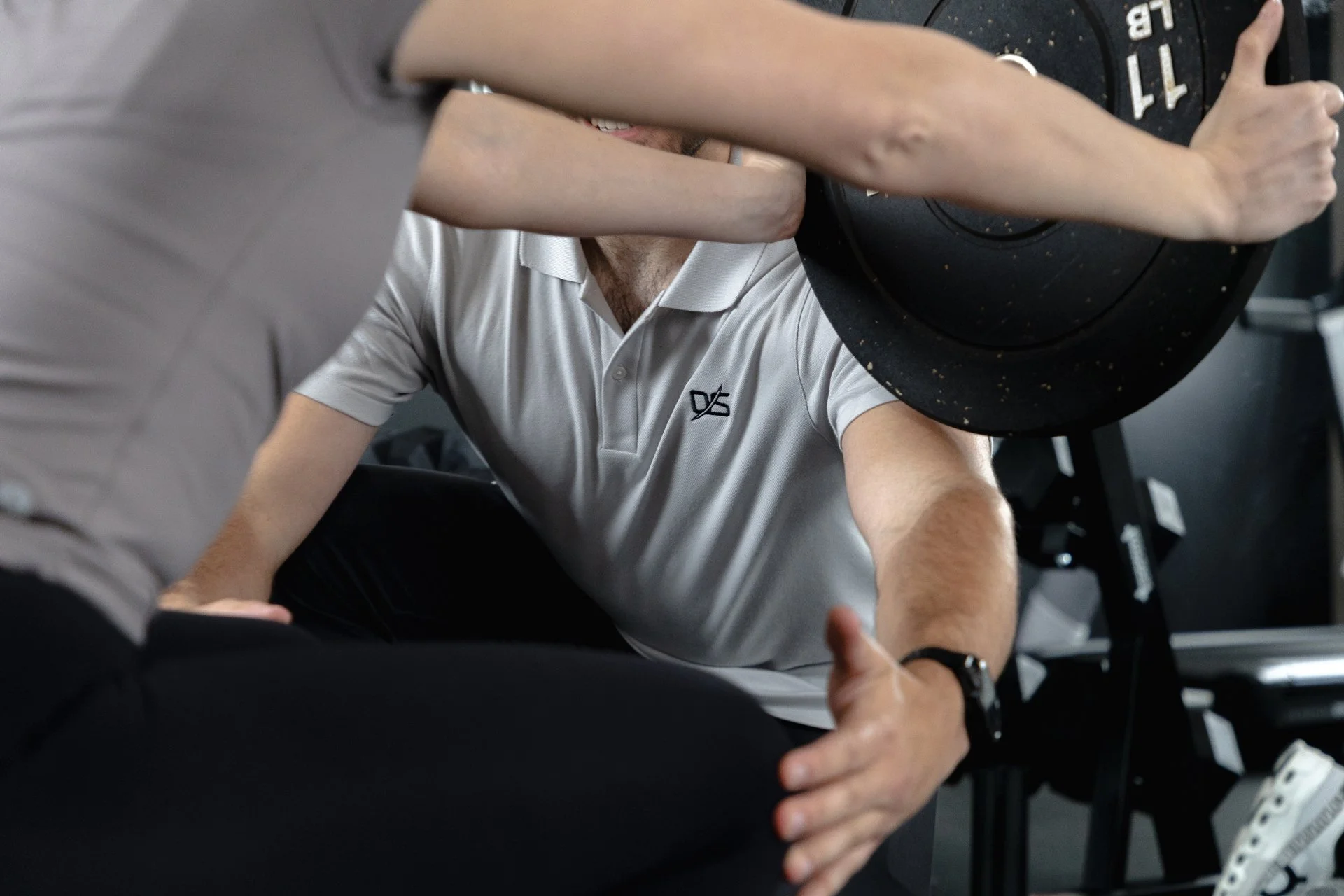
We introduce targeted exercise rehabilitation to:
Rebuild strength
Improve movement control
Restore function
4. Progression Phase
We transition you toward:
Independent exercise
Long-term injury prevention
Return to full activity
This is the foundation of our rehabilitation services in Burnside Heights.
Frequently Asked Questions
-
Neither is better on its own. Manual therapy provides faster pain relief, while rehab builds long-term strength and prevents recurrence. The best results come from combining both.
-
Yes. Manual therapy often reduces pain and stiffness immediately by improving joint movement and reducing muscle tension. However, results are usually temporary without rehab.
-
Manual therapy is hands-on treatment that improves movement and reduces pain. Rehab is active exercise-based treatment that builds strength, control, and resilience.
-
Yes, in most cases. Rehab is essential to prevent pain from returning by fixing the underlying movement and strength issues.
-
Recovery time depends on the condition, severity, and consistency with rehab. Some people improve in weeks, while others require longer structured rehabilitation.
Conveniently Located in Burnside Heights, Serving Surrounding Suburbs
Our clinic is located in the heart of Burnside Heights, making it easily accessible for patients across Melbourne’s western suburbs.
Clinic Address: 19 Chifley Cct, Burnside Heights VIC 3023, Australia
We regularly support clients from nearby areas, including:
Caroline Springs
Taylors Hill
Deer Park
St Albans
Kings Park
Ravenhall
Fraser Rise
Whether you’re local to Burnside Heights or travelling from surrounding suburbs, our clinic is ideally positioned for those searching for rehabilitation services, manual therapy, or injury recovery support near you.
Find Us on the Map
Below, you can view our exact location and easily plan your visit: