
Sports Chiropractic vs General Chiropractic: What Active Patients in Need to Know
Chiropractic care is widely recognised for helping people manage pain, improve mobility, and maintain spinal health. But not all chiropractic care is the same. For active Melburnians, understanding the difference between sports chiropractic vs general chiropractic can significantly impact recovery, injury risk, and long-term performance.
From AFL and distance running to gym training, CrossFit, and cycling, Melbourne’s active lifestyle puts ongoing stress on the body. This demands care that goes beyond general pain relief. Sports chiropractic is designed to meet these demands by focusing on movement quality, load tolerance, and recovery efficiency.
What Is Sports Chiropractic?
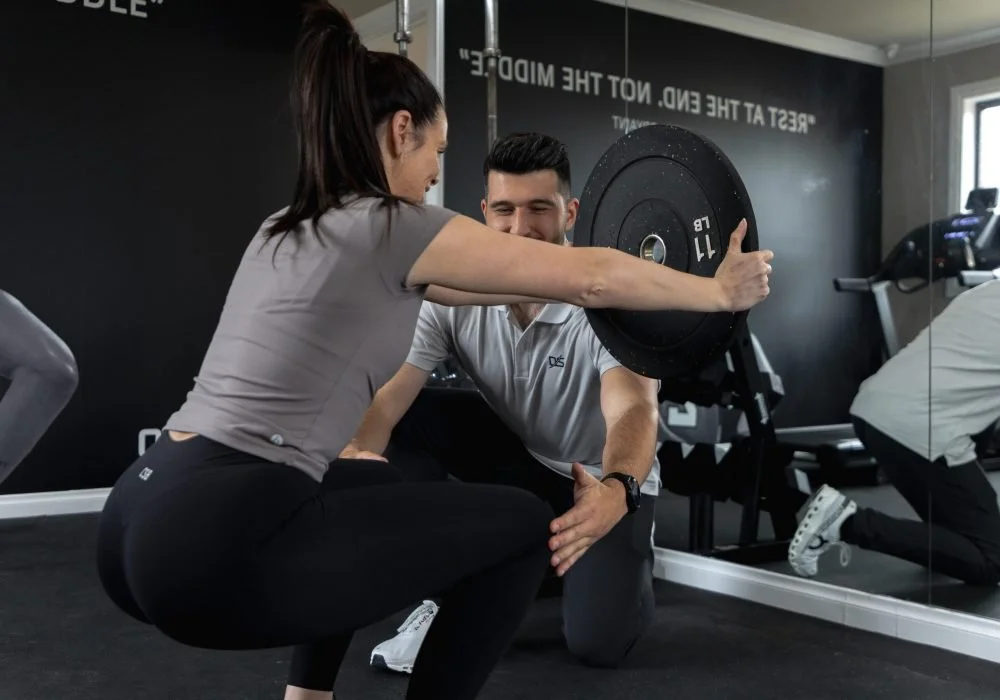
Sports chiropractic is a specialised form of care for athletes and physically active people. Unlike general chiropractic, which primarily targets pain relief and spinal alignment, sports chiropractic addresses how the body moves under load.
It focuses on:
Movement efficiency
Injury prevention
Faster recovery between sessions
This makes it ideal for people who train regularly, compete in sport, or want to maintain high physical performance.
Phil Powning, a local footy player, shared his experience:
“Excellent practice, Dr Stefan De Pietro is very professional in his approach and manner. Providing after care advice whenever contacted and as a local footy player himself, he understands and treats sporting injuries better than previous medical practitioners that I’ve attended. Highly recommended.”
How Sports Chiropractic Works
A sports chiropractor assesses biomechanics, muscle balance, and joint function to identify the root cause of issues, not just the symptoms.
Key focus areas include:
Identifying inefficient movement patterns
Reducing injury risk through proper load management
Supporting quicker recovery between training sessions
Many active patients visit us after common sports injuries in Burnside Heights that lead to musculoskeletal pain, from knee strains to shoulder issues, to ensure long-term movement health.
Who Sports Chiropractic Is For
Sports chiropractic is commonly used by:
Runners, AFL players, and team sport athletes
Gym-goers and strength trainers
Active individuals managing recurring injuries
By targeting the cause rather than the symptom, sports chiropractic keeps active bodies resilient, efficient, and ready for ongoing training.
Dakota Borg, an active resident in Burnside Heights, noted:
“Optimal State has not only resolved my injury but has helped me in every aspect of my training and health to ensure my body is 100% week in week out. Highly recommended.”
Techniques Commonly Used in Sports Chiropractic
Sports chiropractic often combines manual therapy with structured exercise rehabilitation to restore strength, coordination, and movement control. Common techniques include:
Active Release Technique (ART): Reduces soft tissue restriction, improves muscle function.
Graston / Instrument-Assisted Soft Tissue Therapy: Stimulates tissue healing and mobility.
Kinesiology Taping: Supports joints, manages load, enhances proprioception.
Sport-Specific Rehab Programs: Restore strength, balance, and coordination.
Movement Screening & Gait Analysis: Identifies inefficiencies and injury risk.
Daniella Manno, who suffered a gym injury, shared:
“Visited these guys with extreme pain from a gym injury which I thought I’d be out for weeks — the pain was bad! The next day after treatment, I felt 100% better — all pain absolutely gone! After a week of being unable to move. They were very professional too!”
What Is General Chiropractic?
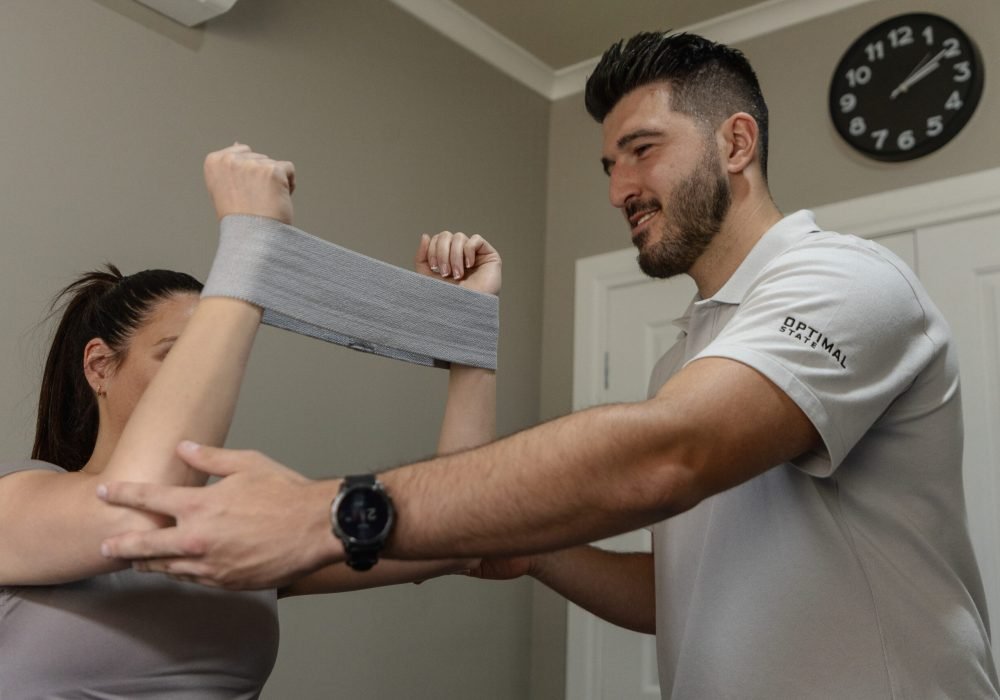
General chiropractic focuses on spinal alignment, nervous system function, and musculoskeletal comfort. It is typically used for:
Back and neck pain
Postural strain from sitting or standing
Headaches related to spinal or muscular tension
General chiropractic supports overall comfort, mobility, and quality of life but does not usually include sport-specific assessments or structured rehabilitation.
Core Techniques in General Chiropractic
Spinal Adjustments: Improve joint motion, alignment, and mobility
Soft Tissue Therapy: Reduces muscle tension and soreness
Postural Education & Ergonomic Advice: Guidance for workstations, lifting, and daily posture
Basic Home Exercise Recommendations: Mobility and stretching exercises
This approach is ideal for maintaining everyday spinal health but may not fully support high-performance training or recovery from athletic injuries.
Key Differences: Sports Chiropractic vs General Chiropractic
| Feature | Sports Chiropractic | General Chiropractic |
|---|---|---|
| Focus | Performance, movement efficiency, injury prevention | Pain relief, spinal health, posture |
| Assessment | Detailed biomechanics and movement analysis | Spinal alignment, basic posture check |
| Techniques | ART, Graston, taping, sport-specific rehab | Spinal adjustments, soft tissue therapy, home exercises |
| Recovery | Structured exercise rehab, faster return to training | General pain management, comfort |
| Target Patient | Active athletes, frequent exercisers, recurring injuries | Office workers, lightly active, daily discomfort |
Focus
Sports Chiropractic: Performance, movement efficiency, injury prevention
General Chiropractic: Pain relief, spinal health, posture
Assessment
Sports Chiropractic: Detailed biomechanics and movement analysis
General Chiropractic: Spinal alignment, basic posture check
Techniques
Sports Chiropractic: ART, Graston, taping, sport-specific rehab
General Chiropractic: Spinal adjustments, soft tissue therapy, home exercises
Recovery
Sports Chiropractic: Structured exercise rehab, faster return to training
General Chiropractic: General pain management, comfort
Target Patient
Sports Chiropractic: Active athletes, frequent exercisers, recurring injuries
General Chiropractic: Office workers, lightly active, daily discomfort
Benefits of Sports Chiropractic for Active Patients
Sports chiropractic can help you:
Improve flexibility, strength balance, and proprioception
Reduce injury risk and prevent flare-ups
Recover faster between training sessions
Restore movement quality and joint control
Safely return to sport after injury
For recurring injuries, structured sports chiropractic care ensures tissues adapt safely to training demands, minimising setbacks. Active patients may also complement care with osteopathy for sports injuries and active rehabilitation near Delahey to further enhance recovery.
Benefits of Sports Chiropractic for Active Patients
Sports chiropractic offers targeted benefits for people who train regularly or compete in sport. By improving movement efficiency and joint control, it helps reduce injury risk while enhancing performance capacity.
Active patients often experience improved flexibility, strength balance, and proprioception, which supports better coordination and stability. Recovery between training sessions is also improved, allowing for more consistent participation without flare-ups.
For those dealing with recurring injuries, sports chiropractic provides structured chiropractor care for recovery, ensuring tissues adapt safely to training demands while minimising setbacks.
When General Chiropractic May Be Enough
If you are lightly active or seeking relief from everyday discomfort, general chiropractic may be sufficient. It is ideal for:
Office workers or retirees
Individuals without performance goals
Patients looking for spinal maintenance and posture correction
However, for high-intensity training or recurring injuries, a sports injury chiropractor near Albanvale for active recovery is the more appropriate choice.
Why Burnside Heights’ Active Community Needs Sports Chiropractors
Melbourne’s strong sporting culture drives demand for sports-focused chiropractic care. Active patients are seeking chiropractors who understand:
Athletic movement patterns
Recovery strategies
Injury prevention, not just pain relief
Meet Our Chiropractor: Dr Stefan De Pietro
Bachelor of Health Science
Bachelor of Applied Science (Chiropractic)
International Certificate in Sports Chiropractic (ICSC)
Certified FAKTR & FNOR Practitioner
Certified Sympathetic Dominance (SD) Practitioner
Applied Kinesiology (AK) Practitioner
A word from Stefan:
“My primary focus is to share the experiences I have had both personally, and as a clinician to help you overcome any obstacles and fulfill your own potential. Despite the many successes I have had in my own training and life – my greatest joy comes from helping others construct new positive goals and achieve them in full health. I look forward to working together and being a driving force behind your life’s next big success.”
FAQs: Sports Chiropractic for Active Patients
-
Frequency depends on training load, injury status, and recovery goals. Many active patients start with weekly sessions, tapering to monthly maintenance once performance and recovery improve.
-
General chiropractic may help with posture and spinal health but does not address movement efficiency or load management, which are crucial for preventing athletic injuries.
-
No. Recreational runners, gym-goers, and weekend warriors benefit from the same performance-focused assessments and rehab programs.
-
Choose someone experienced in movement screening, exercise rehabilitation, and sports injury management, ideally with local knowledge of Burnside Heights’ active community.
Why Choose Optimal State Clinic in Burnside Heights?
Our team of qualified sports chiropractors combines clinical expertise with performance-focused care. Conveniently located in Burnside Heights, our clinic is just minutes’ drive from Caroline Springs, Albanvale, Taylors Lakes, Delahey, Ravenhall, and surrounding suburbs.
We help active patients in Melbourne’s West:
Reduce injury risk
Recover efficiently
Maintain long-term movement health
Improve strength, flexibility, and coordination
Book a sports chiropractic assessment at Optimal State clinic today.
