
Work-Related Musculoskeletal Disorders in Burnside Heights: Are You at Risk?
Work-related aches and pains often develop gradually. What starts as mild stiffness in your neck or lower back can slowly progress into persistent discomfort, affecting your ability to work, exercise, or relax.
These issues are commonly known as work-related musculoskeletal disorders (WMSDs). They affect muscles, joints, tendons, and nerves, often caused by repetitive movements, poor posture, prolonged sitting, or heavy lifting.
In communities like Burnside Heights and surrounding suburbs such as Caroline Springs, Taylors Hill, and Deer Park, many adults in their 40s and 50s experience these problems. Occupations vary:
Women: Cleaners, teachers, receptionists, office workers
Men: Tradesmen, machine operators, warehouse staff, and teachers
Understanding these risks early can help you stay comfortable, productive, and active both at work and at home.
Meet Your Experts
Dr Matthew Holland – Osteopath
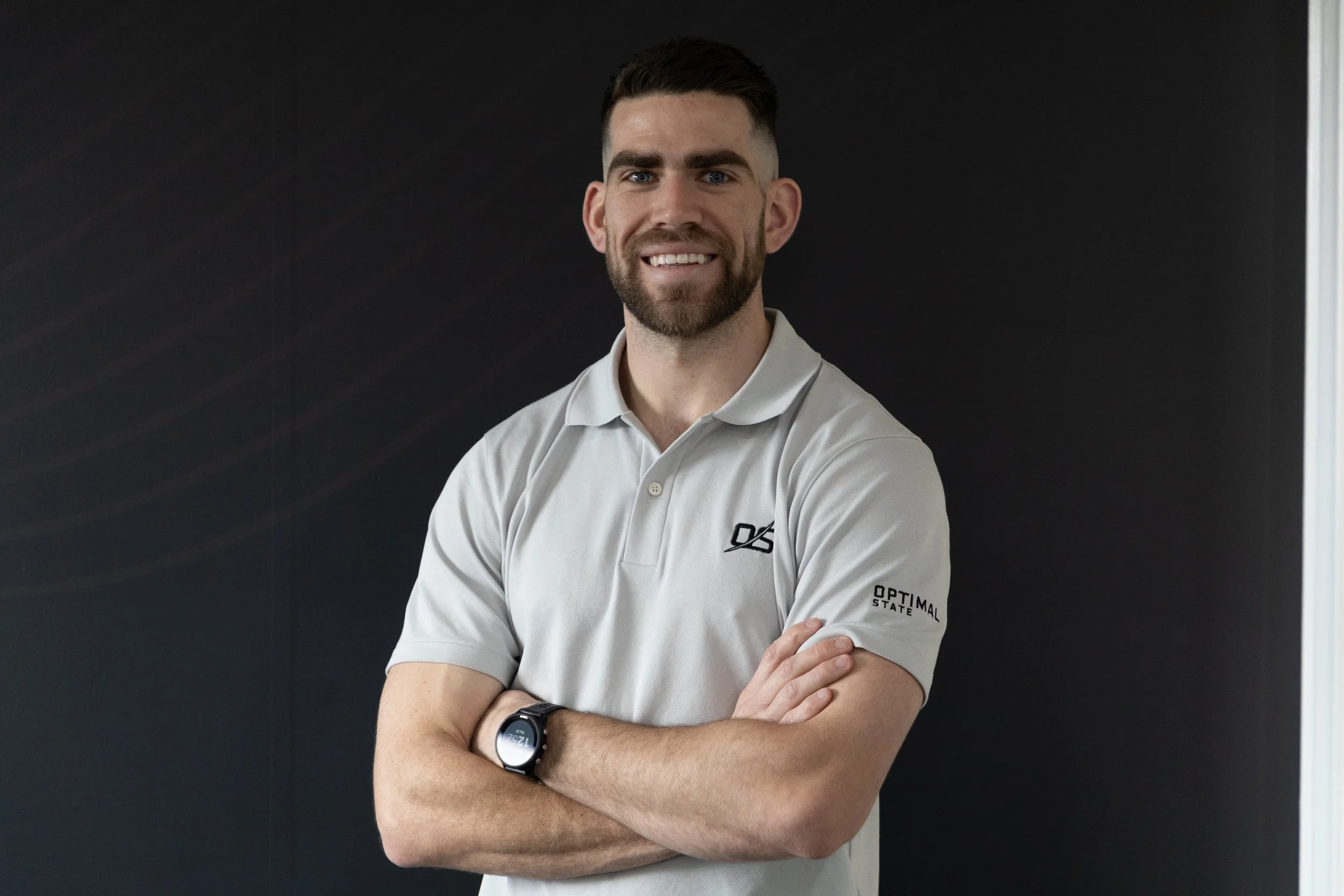
“I’m excited by the opportunity to help solve your problem. My objective is to work in tandem with you to construct the best plan for the best possible result. Together, through equal parts dedication and commitment, we can achieve your desired outcome – then turn our attention to transforming other areas of your life to ensure you never have any regrets.”
Click here to see his qualifications!
Learn more about our osteopathy services in Burnside Heights.
Dr Stefan De Pietro – Chiropractor
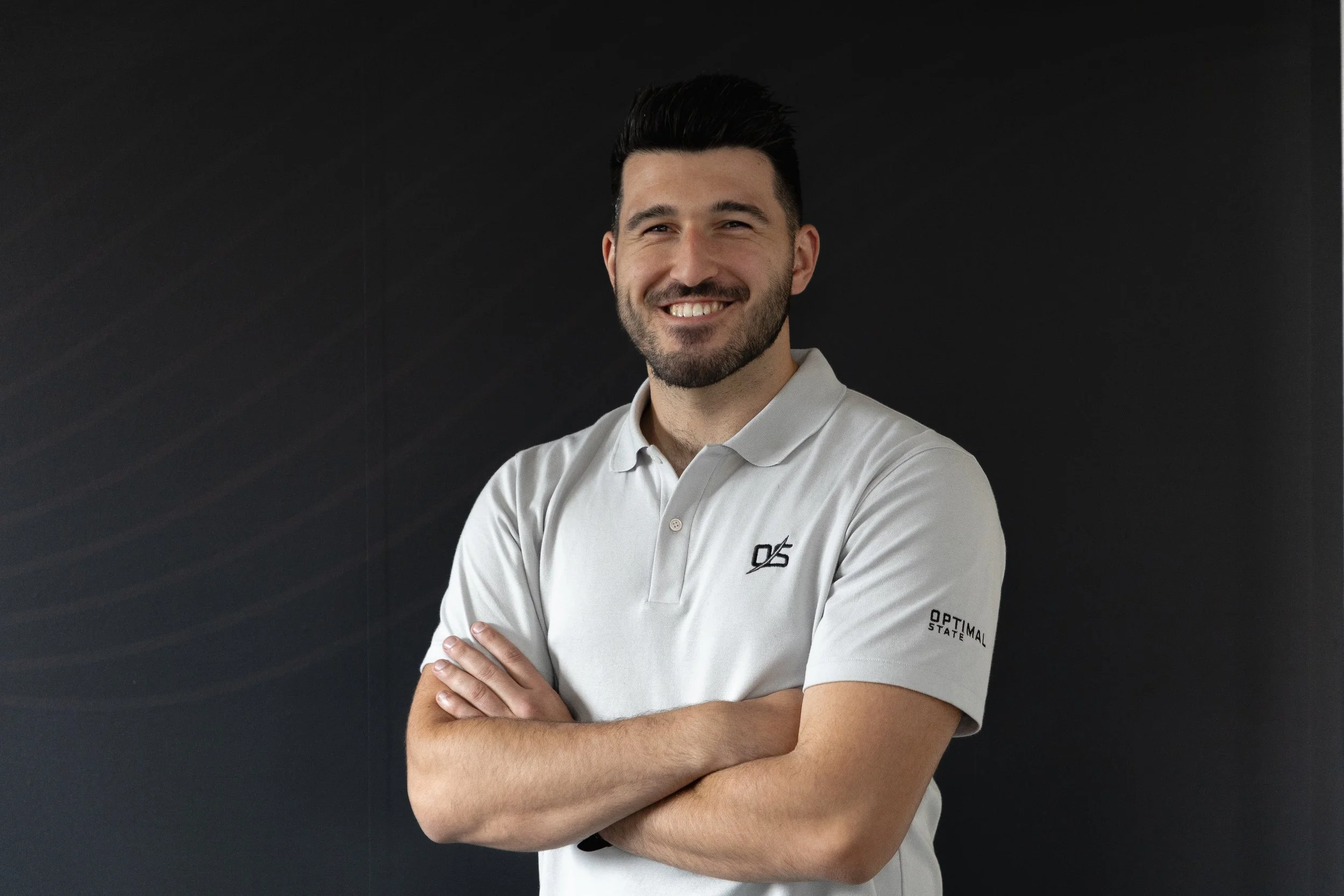
“My primary focus is to share the experiences I have had both personally, and as a clinician to help you overcome any obstacles and fulfill your own potential. Despite the many successes I have had in my own training and life – my greatest joy comes from helping others construct new positive goals and achieve them in full health. I look forward to working together and for the opportunity to be the driving force behind your life’s next big success.”
Click here to see his qualifications!
Discover our chiropractic services in Burnside Heights.
What Are Work-Related Musculoskeletal Disorders?
WMSDs are injuries or pain affecting the muscles, joints, ligaments, nerves, and spinal structures caused by workplace activities.
Common contributing factors include:
Repetitive movements
Prolonged sitting or standing
Poor ergonomic setups
Heavy lifting or manual handling
Awkward or sustained postures
Typical clinical presentations we see at Optimal State include:
Lower back pain: Sciatica, disc bulge/slipped disc, muscle strain
Neck pain: Wry neck, tension headaches, sprains/strains
Postural strain: Stiffness across mid-back, hips, shoulders
Many of these patterns are also observed in active individuals and athletes. If you’re interested, you can read our guide on sports musculoskeletal pain treatment near Caroline Springs or common sports injuries in Burnside Heights that lead to musculoskeletal pain.
Without early management, these conditions can develop into chronic pain, restricted movement, and difficulty performing everyday tasks.
Common Areas Affected by Workplace Strain
1. Neck and Shoulder Pain
Neck and shoulder discomfort is common among office workers, teachers, cleaners, tradespeople, and warehouse staff. Long hours looking down at screens or performing repetitive overhead movements can strain the muscles and joints.
Symptoms often include:
Neck stiffness or wry neck
Shoulder tension
Headaches or tension headaches
Reduced range of motion
Dr. Stefan De Pietro’s direct, structural chiropractic approach helps restore joint movement, relieve muscle tension, and support better posture. For advice on choosing the right care, see our how to choose the right chiropractor in Melbourne’s West guide.
2. Lower Back Pain
Lower back pain is one of the most frequent workplace complaints. Sedentary work, repetitive bending, or heavy lifting can stress the lumbar spine, sometimes leading to sciatica or disc bulge/slipped disc.
Common signs:
Persistent lower back ache
Pain radiating to hips or legs (sciatica)
Stiffness after sitting or bending
Limited mobility
Dr Matthew Holland combines structural osteopathy with functional rehabilitation to reduce strain, restore movement, and support recovery. If you want to understand how sports chiropractic differs from general chiropractic, see our guide about sports chiropractic vs general chiropractic.
3. Mid-Back and Hip Strain
Mid-back and hips often compensate for postural imbalances, leading to stiffness, uneven weight distribution, and discomfort while walking, sitting, or standing.
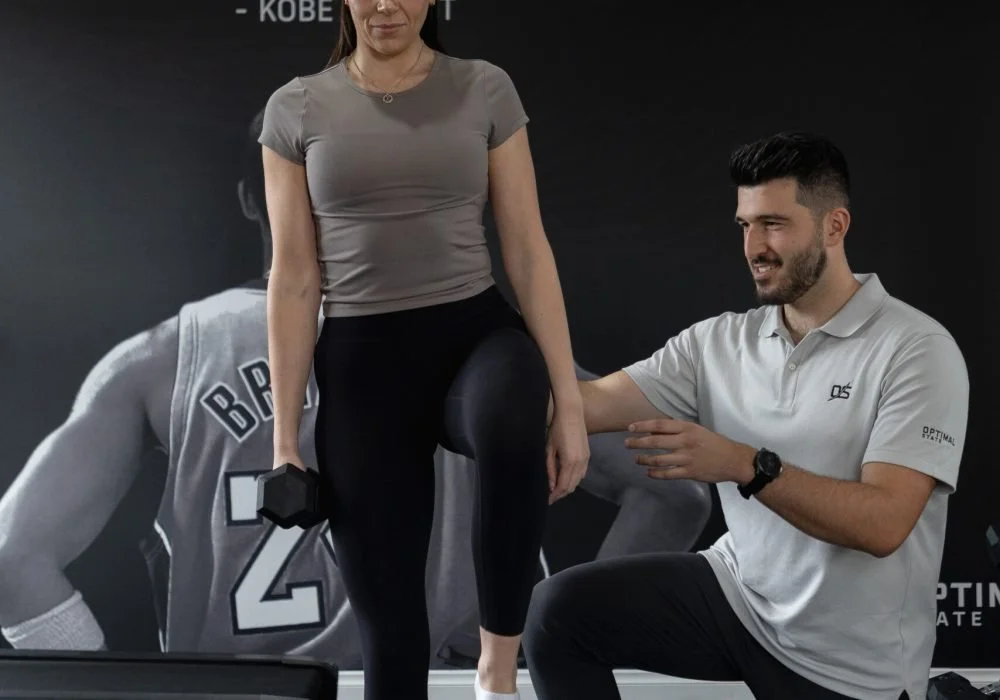
Targeted adjustments and movement retraining by our team help restore balance and improve posture over time. For tips on what matters when selecting a sports-focused practitioner, see things that matter when choosing a sports chiropractor.
Specific Workplace Injury Challenges
1. Repetitive Strain Injuries (RSIs)
RSIs occur when the same motion is repeated frequently, such as typing, lifting, or operating machinery.
Symptoms include:
Tingling or numbness in hands or arms
Muscle fatigue
Weakness
Persistent soreness
Early management is essential to prevent minor irritation from escalating into chronic issues.
2. Postural Imbalances
Poor posture can overwork some muscles while weakening others, affecting spinal alignment and joint function. Correcting posture may require:
Targeted mobility work
Strengthening exercises
Ergonomic adjustments
Professional guidance from our chiropractors and osteopaths
How a Direct, Structural Approach May Help
At Optimal State, we focus on a hands-on, structural approach, addressing the root cause rather than just symptoms.
Treatment may include:
Structural adjustments: Restore joint movement, relieve pressure on muscles and nerves
Soft tissue therapy: Relieve tension and improve flexibility
Active rehabilitation: Strengthen weak areas, restore mobility, prevent future strain
Posture and ergonomic guidance: Optimise workstations and movement habits
This approach is ideal for adults in their 40s–50s across occupations who commonly present with lower back, neck, or postural strain.
Practical Tips to Prevent Workplace Musculoskeletal Pain
Workstation Ergonomics: Keep screens at eye level. Sit with feet flat on the floor. Use lumbar support. Keep keyboard and mouse close.
Take Regular Movement Breaks: Stand, stretch, or walk every 30–60 minutes
Strengthen Supporting Muscles: Core, upper back, and hip exercises improve posture and stability
Stretch Daily: Gentle stretches for neck, shoulders, back, and hip
Seek Early Professional Care: Early assessment by Dr Matthew Holland (Osteopath) or Dr Stefan De Pietro (Chiropractor) can prevent minor issues from becoming chronic pain
Supporting Workplace Health in Burnside Heights
Workers across Burnside Heights, Caroline Springs, Taylors Hill, and Deer Park face physical demands across office, teaching, cleaning, trades, and warehouse work.
Early intervention, ergonomic adjustments, and a direct, structural chiropractic or osteopathic approach can help you stay active, comfortable, and productive.
Stay Active, Pain-Free, and Productive in Burnside Heights
Work-related musculoskeletal disorders often develop gradually, but early awareness is key. Adults in their 40s–50s, particularly those in high-risk occupations, can benefit from the expertise of Dr Matthew Holland and Dr Stefan De Pietro, combining structural care, active rehabilitation, and ergonomic advice.
By addressing strain early, you can maintain mobility, reduce discomfort, and improve long-term workplace health.