
Top 5 Warning Signs of Musculoskeletal Disorders You Shouldn’t Ignore
Staying active at work, at the gym, or at home is essential for long-term health. Persistent pain or stiffness is often the first sign of musculoskeletal disorders (MSDs), which can affect the muscles, joints, ligaments, bones, and nerves.
For individuals in Burnside Heights and surrounding suburbs, early recognition of these warning signs can prevent injuries from becoming chronic and help maintain daily function, whether in work, sport, or general life activities.
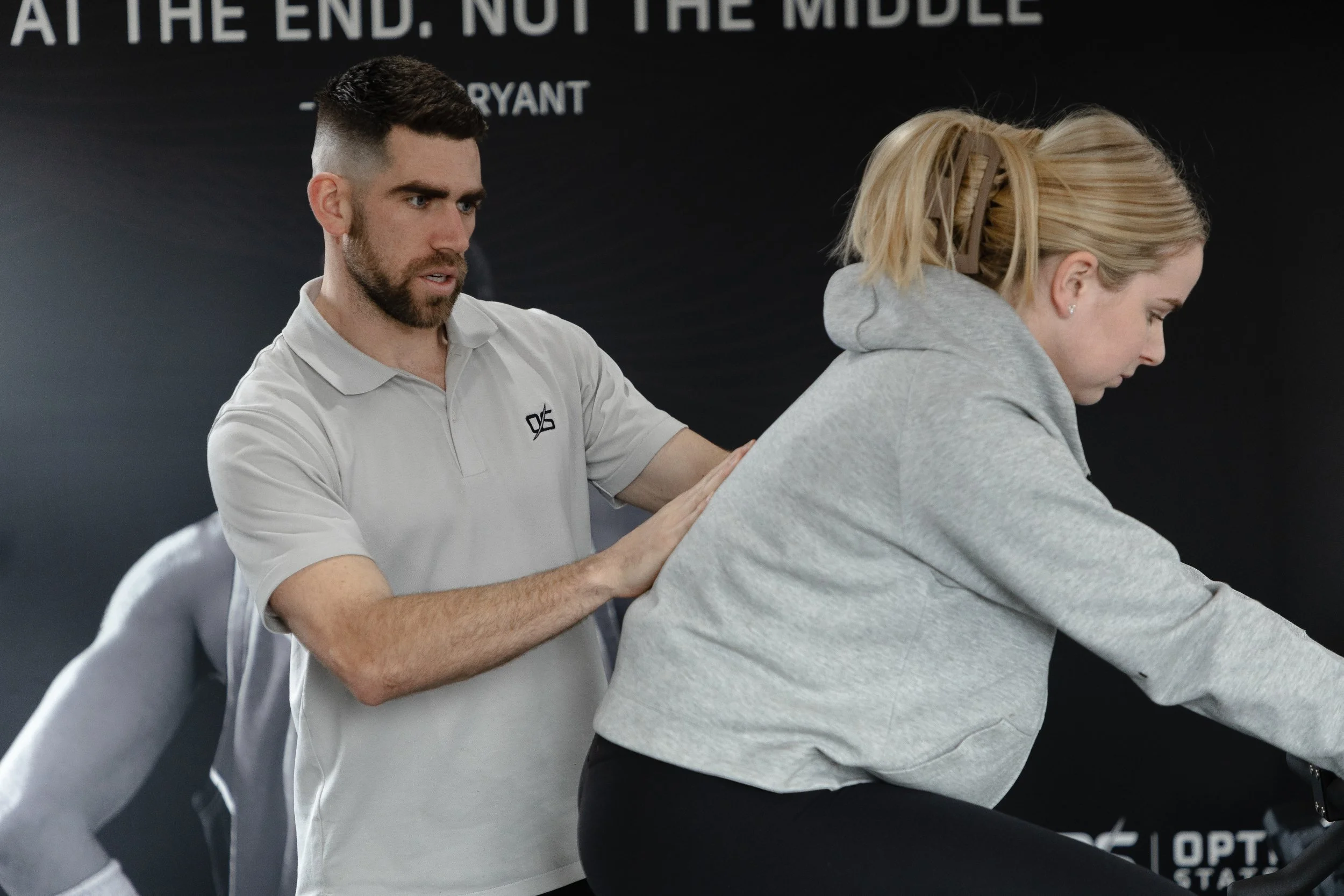
Most patients we see are between 35 and 55 years old, frequently experiencing symptoms caused by years of work-related strain, repetitive movements, poor posture, or sports and gym-related activities. Active individuals often deal with sports-related musculoskeletal pain, a condition that often develops gradually from repetitive stress.
Who Is Most at Risk?
Musculoskeletal disorders don’t happen overnight; they accumulate over years. Age, occupation, and lifestyle are major contributing factors.
1. Men (Trades & Physical Work)
Men in physically demanding roles often develop musculoskeletal problems from repeated strain. Common occupations include:
Tradespeople lifting tools and materials daily
Warehouse workers handling repetitive loads
Machine operators exposed to vibration and repetitive movement
Individuals training in high-intensity sports or gym workouts
These activities can increase the likelihood of overuse injuries similar to the conditions discussed in this guide on common sports injuries that lead to musculoskeletal pain in Burnside Heights.
2. Women (Postural & Repetitive Strain)
Women frequently present with pain related to postural and repetitive activities. Occupations often include:
Office workers and receptionists seated for long hours
Teachers standing or looking down frequently
Cleaners performing repetitive bending and reaching
By the age of 40–50, cumulative stress on muscles, joints, and the spine often results in stiffness, pain, and restricted movement.
Understanding Musculoskeletal Disorders
Musculoskeletal disorders (MSDs) encompass conditions that affect the musculoskeletal system. They can range from acute injuries to chronic strain caused by lifestyle factors. Common causes include:
Repetitive movements at work or in sport
Poor posture sustained over long periods
Heavy or improper lifting
Previous injuries that never fully resolved
Common MSDs include:
Lower back pain and sciatica
Neck pain and tension headaches
Shoulder injuries
Postural strain from prolonged sitting or standing
Recognising the early signs of these disorders allows for targeted intervention, preventing small issues from becoming long-term problems. Seeking the right practitioner early is important, which is why many patients look for guidance on how to choose the right chiropractor in Melbourne’s west when addressing persistent musculoskeletal pain.
Why Early Treatment Matters
The body adapts to discomfort by compensating, which can worsen overall strain. For example, shifting weight, avoiding certain movements, or altering posture can create stress in other areas.
A direct, structural approach focuses on restoring proper joint and muscle function, rather than simply masking symptoms. Early treatment can:
Reduce stress on affected areas
Improve movement patterns
Prevent recurring injuries
Support faster recovery and overall well-being.
For individuals involved in sports or physically demanding activities, understanding the difference between treatment approaches can also help. This comparison of sports chiropractic vs. general chiropractic care explains how specialised treatment may benefit active individuals.
Addressing issues early is critical for maintaining mobility, performing everyday tasks efficiently, and preventing future chronic pain.
Common Warning Signs of Musculoskeletal Disorders
1. Persistent Lower Back Pain
Lower back pain is extremely common, particularly in those who lift frequently or perform repetitive movements. It may present as:
Dull, consistent ache after work
Sharp pain during bending or lifting
Stiffness following long periods of sitting or driving
Causes may include muscle strain, spinal misalignment, disc bulges, or nerve irritation. Early intervention through professional chiropractic care focused on spinal health and movement restoration can help restore mobility, reduce pain, and prevent the condition from worsening.
2. Neck Pain and Stiffness
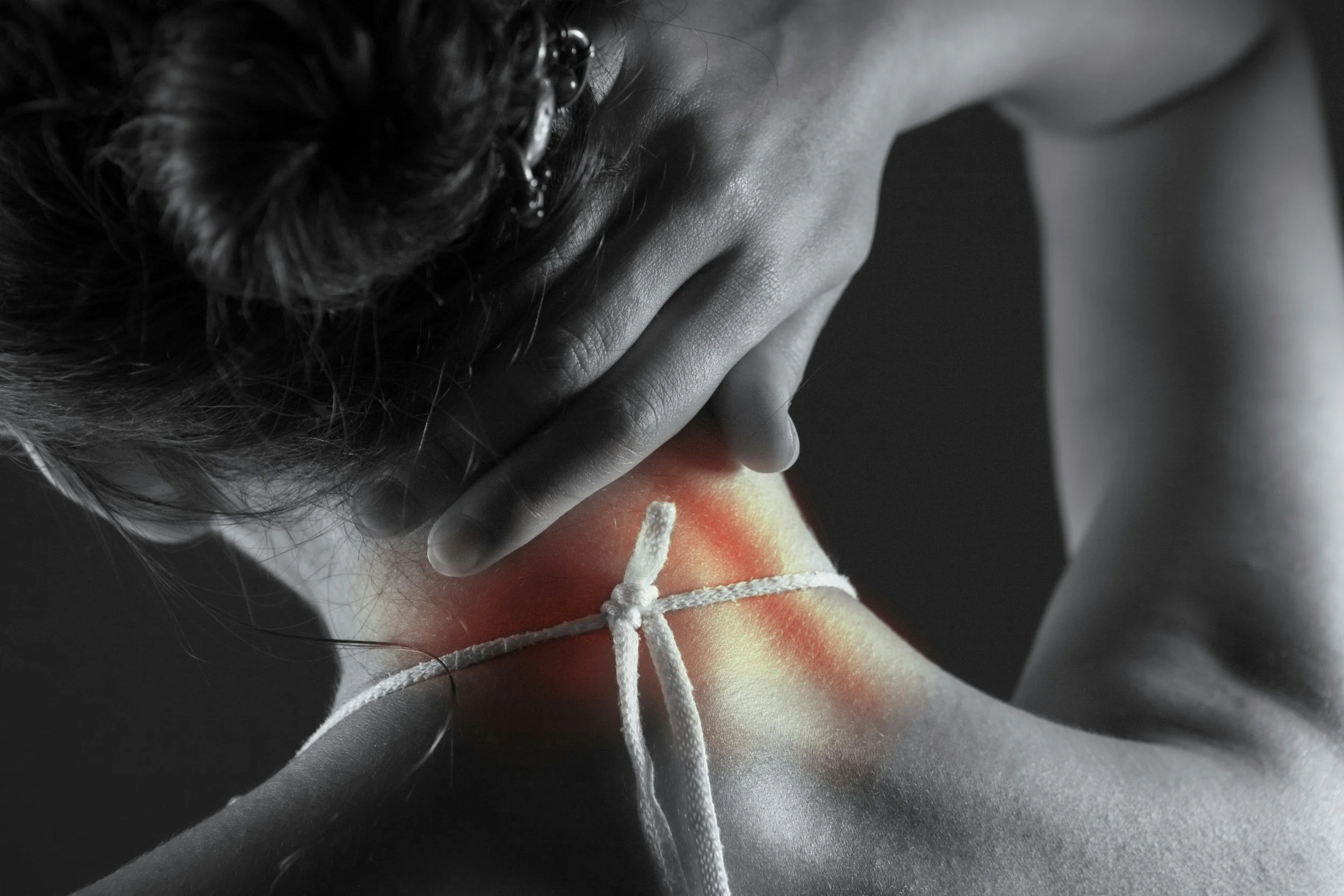
Neck pain often develops gradually from prolonged sitting, looking down at screens, or repetitive motion. Symptoms may include:
Tightness or soreness in the neck and shoulders
Pain when turning the head
Headaches originating from the neck
Early care can restore range of motion, reduce tension, and prevent worsening symptoms.
3. Shoulder Pain and Reduced Mobility
Shoulders are involved in almost all upper-body movements, making them susceptible to strain. Common signs of shoulder issues include:
Pain or stiffness when lifting the arm
Weakness or instability
Difficulty performing daily tasks or sleeping on one side
Athletes and physically active individuals often benefit from specialised care, which is why choosing the right sports chiropractor for injury treatment and performance care can make a significant difference in their recovery.
Addressing these issues promptly prevents long-term joint damage and restores function.
4. Sciatica or Shooting Leg Pain
Sciatica results from compression or irritation of the sciatic nerve, leading to symptoms such as:
Sharp, shooting pain down one leg
Tingling or numbness
Pain worsened by sitting or specific movements
Early intervention can identify whether the cause is disc-related, muscular, or joint-based, supporting faster recovery.
5. Headaches Linked to Posture
Frequent headaches can be caused by tension in the neck and upper back, often related to posture. Indicators include:
Pain at the base of the skull
Shoulder tension
Headaches after long hours of sitting or using a device
Early treatment improves posture and reduces the frequency and intensity of headaches.
Lifestyle Factors That Worsen Pain
Musculoskeletal issues often develop gradually. Contributing factors include:
Poor lifting technique at work or during exercise
Repetitive movements and overuse
Long periods of sitting without adequate movement
Overtraining without proper recovery
Addressing these lifestyle factors alongside structured care helps prevent future injuries and enhances overall physical resilience.
How Direct, Structural Care Can Help
Optimal State aims to focus on structural correction, combining hands-on treatment with targeted exercise and rehabilitation through approaches such as chiropractic treatment for spinal alignment and osteopathy treatment that addresses muscles, joints, and body mechanics.
Benefits include:
Restoring movement in joints and spine
Releasing tight muscles and improving circulation
Strengthening postural muscles to prevent recurrence
Providing practical guidance for workplace and daily movement
This approach addresses the root cause of pain rather than simply masking symptoms, supporting long-term mobility and functional health.
Meet Your Local Experts
Dr Matthew Holland – Osteopath
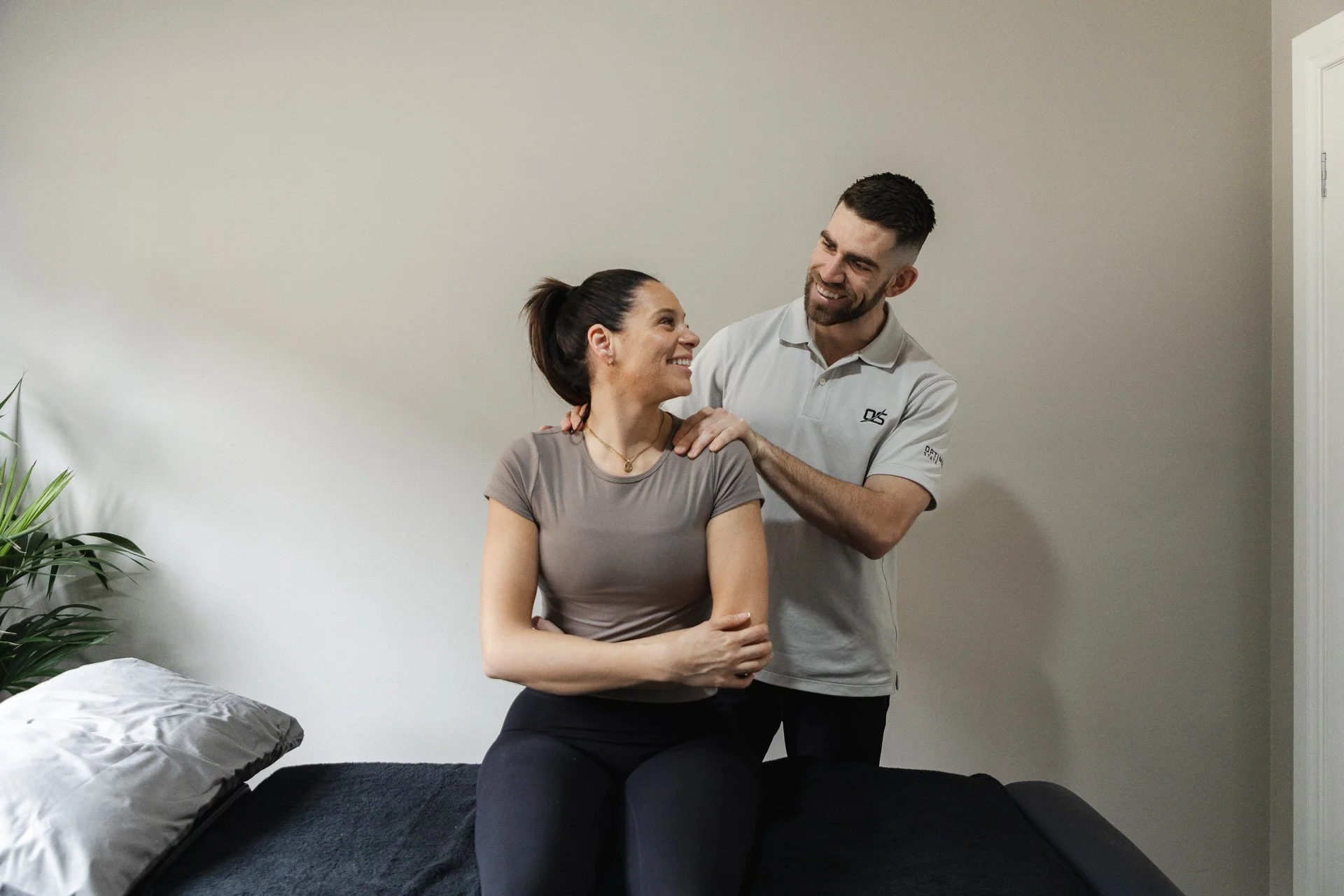
Dr. Holland specialises in functional movement and rehabilitation, helping patients restore mobility and prevent recurring issues.
“I’m excited by the opportunity to help solve your problem. My objective is to work in tandem with you to construct the best plan for the best possible result.”
Qualifications & Certifications:
Bachelor of Health Science
Bachelor of Applied Science (Osteopathy)
Bachelor of Biomedical Health Science (Honours)
Certified FAKTR Practitioner
Certified FNOR Practitioner
Dr Stefan De Pietro - Chiropractor
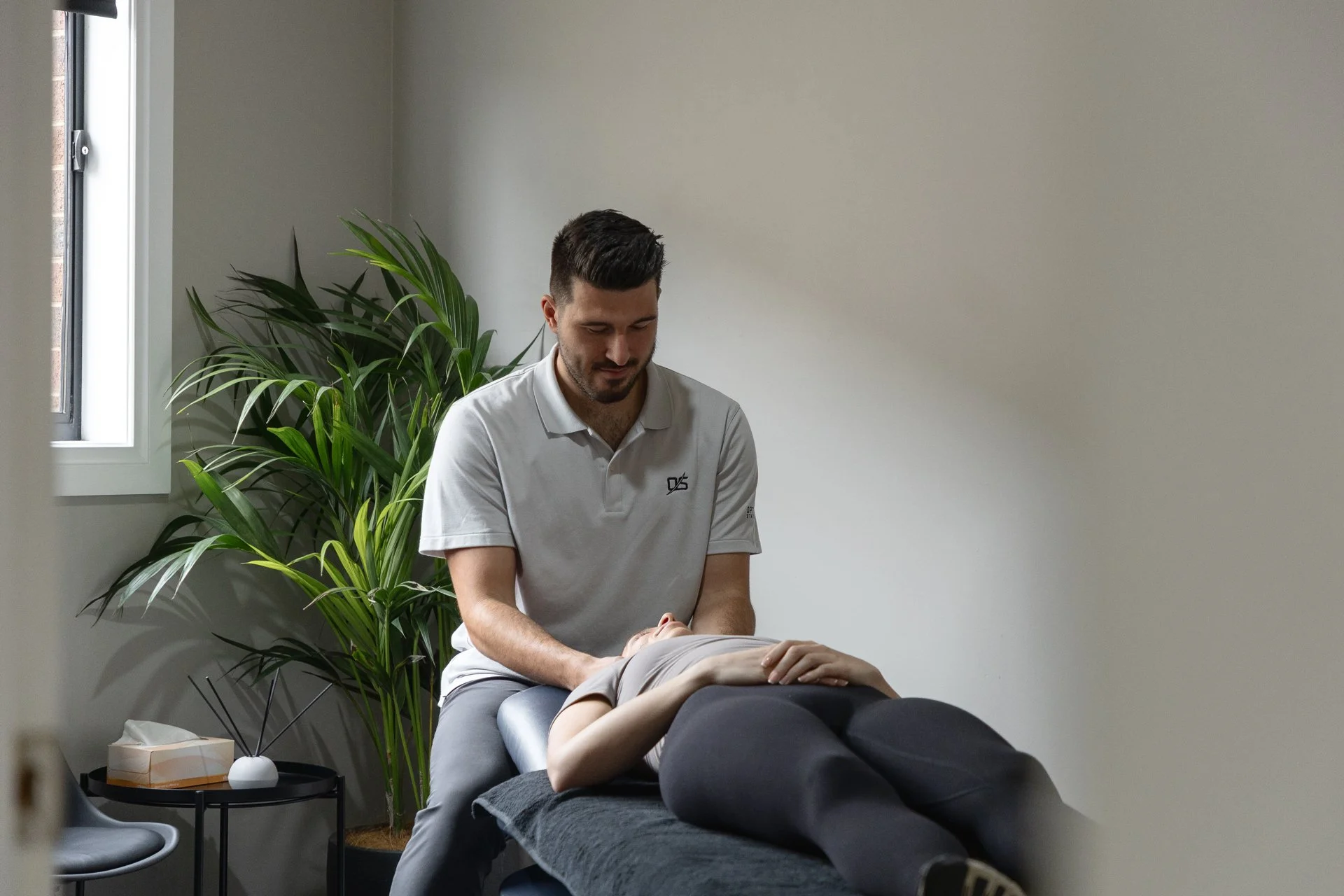
Dr. De Pietro focuses on structural correction, injury recovery, and improving overall function.
“My primary focus is to share the experiences I have had personally and as a clinician to help you overcome obstacles and reach your full potential.”
Qualifications & Certifications:
Bachelor of Health Science
Bachelor of Applied Science (Chiropractic)
International Certificate in Sports Chiropractic
Certified FAKTR & FNOR Practitioner
Certified Sympathetic Dominance Practitioner
Applied Kinesiology Practitioner
When to Seek Help
Seek care if:
Pain persists beyond a few weeks
Symptoms return after rest
You notice tingling, numbness, or radiating pain
Pain interferes with work, daily activities, or training
Early care improves recovery, prevents chronic issues, and allows you to remain active and healthy.
FAQ: Musculoskeletal Pain & Recovery
-
Persistent pain, stiffness, restricted movement, and tingling or numbness are common early signs.
-
Years of repetitive strain, reduced recovery capacity, and accumulated stress increase the risk of injury.
-
Yes, prolonged poor posture can create muscle tension and strain, leading to neck, shoulder, and back pain.
-
Frequent heavy lifting, especially with improper technique, significantly increases the risk of disc and muscle injuries.
-
Yes, overuse, improper form, or inadequate recovery can lead to shoulder, back, or joint issues.
-
Structural care targets the root cause by restoring proper joint and muscle function rather than masking symptoms.
-
When provided by trained practitioners, chiropractic care is a safe and effective tool for ongoing musculoskeletal health.
-
Yes, early treatment reduces strain, improves movement, and prevents injuries from becoming chronic.
-
If symptoms worsen during work hours and improve with rest, your occupation is likely contributing to your pain.
-
Proper posture, safe lifting techniques, regular movement, and structured recovery all help prevent injuries.