
Common Causes of Neck Pain in the 40-50 Age Group
Neck pain is common and contributes substantially to disability in adults aged 40–50. This is largely due to natural, age-related changes in the cervical spine such as disc dehydration, joint wear, and stiffness alongside long-term posture and activity habits. Modern work routines and device use further contribute.
A 2025 Australian “Tech Neck” survey reported that 64% of respondents had experienced neck pain, with poor posture, extended screen time, and non-ergonomic device use frequently cited as contributors. In this survey, 47% of employed adults said they spent their workday seated, and 62% reported awkward postures, which may increase strain on the neck and shoulders. While these results reflect survey findings rather than nationally representative statistics, they highlight common risk factors.
In Melbourne, both sedentary office roles and physically demanding jobs place ongoing stress on the cervical spine. Many adults in their 40s and 50s seek care from osteopaths and chiropractors near St. Albans. Evidence suggests that manual therapy techniques, such as spinal mobilisation or manipulation used by osteopaths, chiropractors, or some physiotherapists, can be modestly effective when combined with exercise, ergonomic adjustments, and lifestyle strategies.
Why Neck Pain Increases in Your 40s and 50s
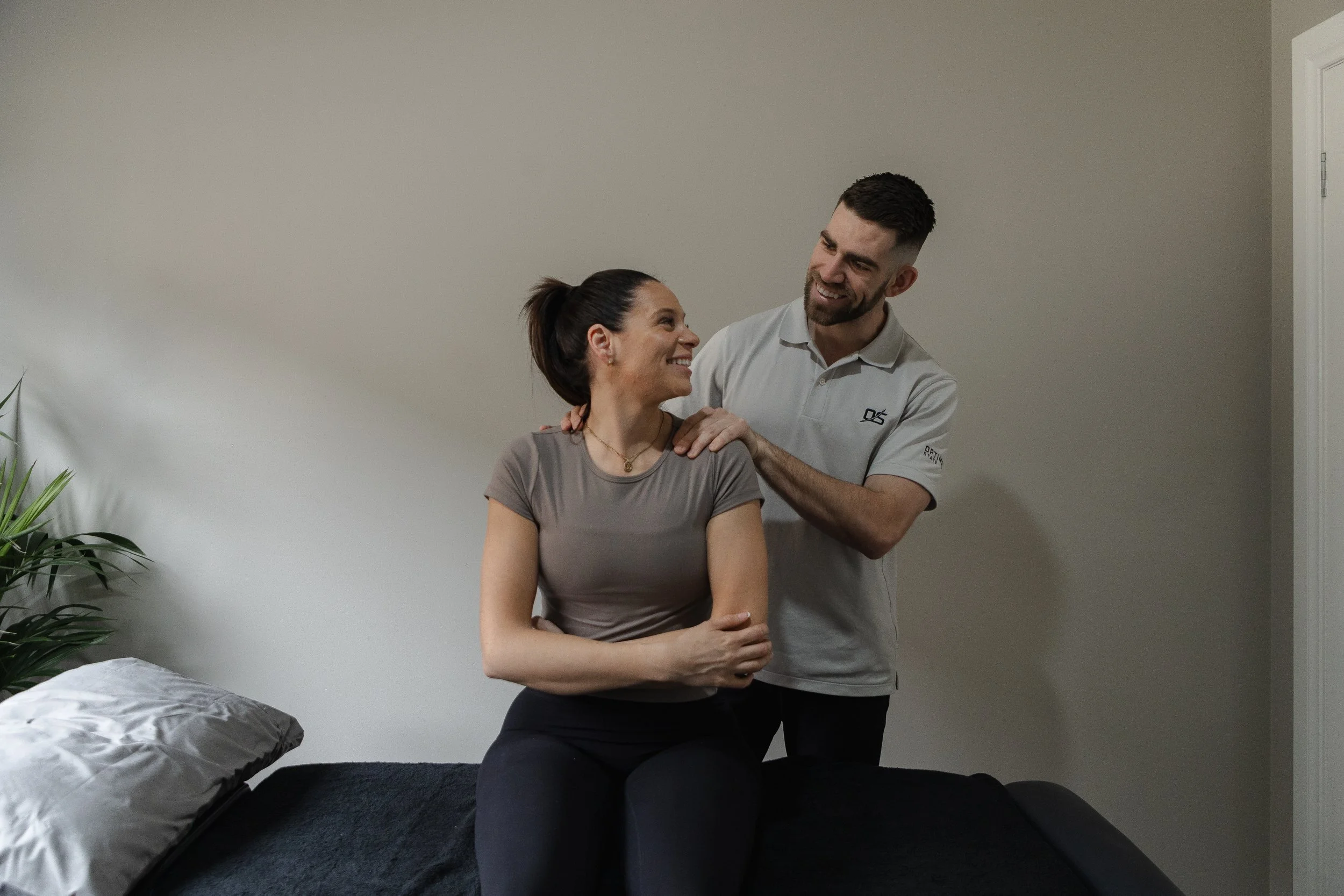
Neck pain in mid-life often results from cumulative stress on the cervical spine. Years of repetitive movements, posture habits, and physical workload gradually affect joints, discs, and surrounding muscles. At this stage, targeted treatment including manual therapy and exercise can help restore mobility, reduce stiffness, and support healthier neck function.
1. Cumulative Wear and Tear on the Cervical Spine
Daily activities, repetitive work, and prolonged postures place ongoing micro-stress on cervical joints, which may lead to:
Joint irritation
Reduced shock absorption
Chronic stiffness
Manual therapy can help improve joint movement and reduce muscular tension. In some cases involving nerve irritation, specific techniques targeting spinal alignment may relieve pressure and improve function.
2. Reduced Disc Hydration and Joint Flexibility
Spinal discs lose hydration with age, becoming less flexible and prone to compression. This can contribute to:
Cervical spondylosis
Disc degeneration
Restricted movement
Manual therapy, combined with movement-based rehabilitation, can help maintain joint mobility and circulation.
3. Impact of Long-Term Work Habits
Prolonged screen use can cause forward head posture, while repetitive lifting or physical labour strains cervical muscles. Interventions addressing soft tissue tension, posture correction, and strengthening can reduce discomfort and improve function.
Main Causes of Neck Pain in Mid-Life Adults
Arthritis and Degenerative Disc Disease: Osteoarthritis can wear down cervical joint cartilage, causing stiffness, limited flexibility, and cervicogenic headaches. Early care focused on joint mobility and soft tissue release improves comfort.
Cervical Spondylosis: Loss of disc height and hydration can lead to bone spurs and nerve irritation. Signs include neck pain, grinding sensations, and tingling in the shoulders or arms. Manual therapy and movement-based rehabilitation maintain spinal flexibility.
Poor Posture and Muscle Strain: Long hours on computers and smartphones often lead to forward head posture or “tech neck,” increasing cervical load. Heavy bags or awkward sleeping positions add strain. Targeted osteopathic treatment for neck pain and support from a chiro for neck pain can ease muscle tightness and restore balanced posture.
Trauma and Overuse Injuries: Previous injuries such as whiplash, repetitive work, or sport-related strain can cause chronic neck discomfort. Treatment focusing on mobility, strength, and functional movement, including osteopathy, supports long-term neck health. Some patients also consult a Burnside chiropractor for a comprehensive approach.
Psychosocial and work-related factors, including high job demands or low control, can also influence the development and persistence of neck pain.
Common Symptoms to Watch For
Neck problems often begin subtly and gradually worsen. Early recognition allows timely intervention:
Neck Stiffness and Reduced Range of Motion: Stiffness while driving or working at a desk may indicate joint restriction or age-related cervical changes.
Headaches Originating From the Neck: Poor posture and tight neck muscles often trigger cervicogenic headaches. Osteopathic treatment can reduce tension and improve circulation.
Shoulder, Arm, or Upper Back Discomfort: Dysfunction may radiate into shoulders and arms. Nerve-related symptoms may benefit from a chiropractor for pinched nerve neck alongside osteopathy.
Tingling or Numbness in Arms or Hands: Could signal nerve compression or cervical radiculopathy. Early intervention with osteopathy or chiropractic care prevents worsening symptoms.
Red-flag signs such as severe trauma, sudden weakness, unexplained weight loss, fever, or progressive neurological deficits require urgent medical attention.
Evidence-Based Neck Pain Treatments in Melbourne
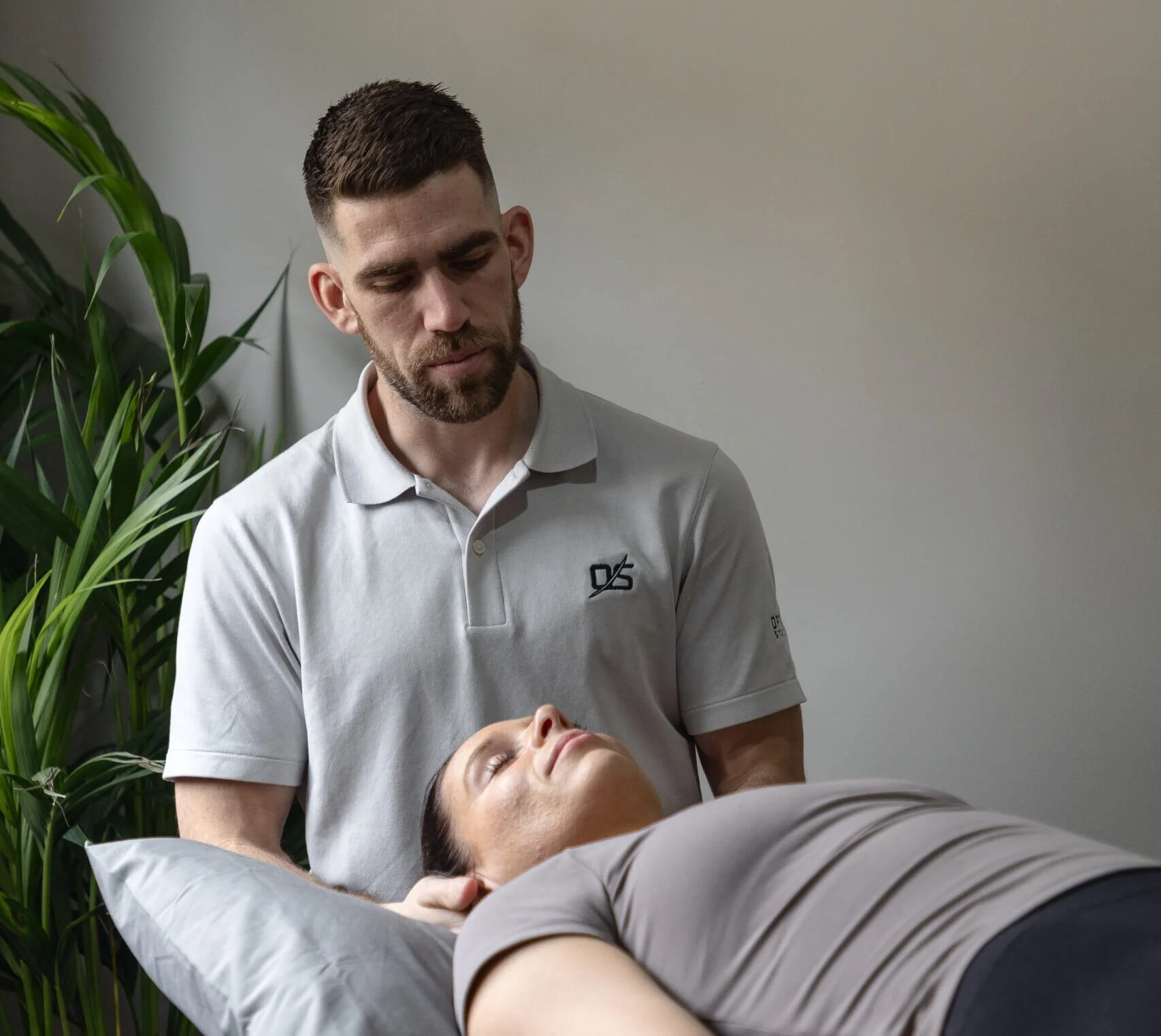
Manual Therapy: Mobilisation or gentle manipulation by trained professionals can improve joint function, relieve muscle tension, and enhance circulation. Benefits are usually modest and best combined with exercise.
Physiotherapy: Restores movement, improves posture, and strengthens cervical support muscles. Combining physiotherapy with manual therapy can correct muscle imbalances and accelerate recovery.
Targeted Exercise Programs: Include deep neck flexor activation, scapular stability, postural retraining, and mobility drills. Exercise is a key component in maintaining spinal health and reducing flare-ups.
Neck Pain Prevention Tips for Adults Aged 40–50
Ergonomic Desk Setup: Keep screens at eye level, elbows at 90°, and chair support for lower back.
Sleep Posture and Pillow Support: Side or back sleeping with a neutral neck pillow reduces strain.
Regular Movement and Stretching: Stand, stretch, or walk every 30–60 minutes. Include neck mobility drills, shoulder rolls, and upper back stretches.
Workplace-Specific Advice: Office workers benefit from adjustable desks and monitors; tradespeople from proper lifting, task rotation, and recovery exercises.
Ergonomic adjustments can help reduce strain and may lower the risk of neck pain, especially when combined with movement, exercise, and overall healthy work habits. Early osteopathic treatment for neck pain and consultation with a Burnside chiropractor can help maintain joint mobility and muscle balance before pain becomes chronic.
When to See a Professional
If you experience any of the following, it’s important to seek expert care from a qualified practitioner at Optimal State:
Persistent neck pain that lasts more than a few days despite rest, stretching, or over-the-counter pain relief.
Numbness, tingling, or weakness in your arms or hands, which may indicate nerve irritation or compression in the cervical spine.
Worsening headaches or reduced neck mobility, which can signal that your condition is progressing.
Our osteopaths and chiropractors in Melbourne provide personalised assessments and evidence-based treatment plans. Early intervention restores joint mobility, relieves muscular tension, and prevents long-term complications, supporting your ability to stay active and pain-free. See what our clients say about their results.

Keep Your Neck Strong and Pain-Free
Neck pain in mid-life often arises from arthritis, cervical spondylosis, poor posture, and muscle strain. At Optimal State, our expert osteopaths and chiropractors provide hands-on treatment, posture correction, and targeted exercises to restore mobility, reduce discomfort, and support long-term spinal health. Working with our team helps you maintain an active, pain-free lifestyle and prevent future flare-ups.
Book a consultation with Optimal State and start your personalised treatment plan.
Why Optimal State is a Good Fit for Neck‑Related Dizziness or Balance Issues
Optimal State offers chiropractic and osteopathy services focused on spinal alignment, joint function and structural balance, which are relevant if symptoms stem from neck misalignment or musculoskeletal dysfunction.
Our osteopathy service includes postural and movement analysis, spinal adjustments, soft‑tissue work, and rehabilitation programs, all helpful in addressing underlying neck dysfunction.
For someone with suspected cervicogenic dizziness or upper‑cervical misalignment, Optimal State’s combined approach (chiropractic + osteopathy + rehab) offers a comprehensive pathway: not just symptom relief, but correction of structural issues and long‑term stability.
For those curious about real experiences, check out What Our Clients Say: Real Stories from Patients at Optimal State to see how people have regained balance and confidence.
If dizziness or balance problems are affecting your daily life, book a consultation with Optimal State today. Early assessment helps restore stability and prevent further discomfort.