
How Upper Cervical Misalignment Can Trigger Vertigo and Balance Issues
Vertigo and balance problems can be alarming, often described as spinning sensations, lightheadedness, or unsteadiness. In Australia, inner ear disorders account for about 93% of vertigo cases, with conditions like BPPV affecting roughly 2.4% of the population.
Cervicogenic dizziness linked to upper neck issues is recognised but less common, affecting around 40% of patients with neck pain and only 5–8.5% in broader dizziness studies. Despite being rarer, neck-related vertigo may contribute to symptoms for some individuals, which is why some Melbourne residents seek an upper cervical chiropractor for vertigo to address potential cervical factors alongside conventional ear-focused treatments.

What Is Upper Cervical Misalignment?
Upper cervical misalignment occurs when the top two vertebrae in the neck, the C1 (Atlas) and C2 (Axis) shift out of their ideal position. These vertebrae are located near the brainstem and play a critical role in head movement, balance, and nervous system communication. Even subtle misalignments can interfere with these signals, contributing to dizziness, poor coordination, and balance problems.
A cervical spine chiropractor specialises in correcting these misalignments to restore proper communication between the neck and brain.
How Misalignment Affects Balance and Nervous System Function
When the atlas (C1) or axis (C2) vertebrae become misaligned, the communication between your neck and brain can be disrupted. This interference can confuse the brain’s balance centers.
Key ways upper cervical misalignment affects balance and nervous system function include:
Distorted proprioceptive signals: Misaligned vertebrae send incorrect position-sensing information from the neck to the brain, creating conflict with visual and inner ear balance signals.
Brainstem stress: Pressure or irritation on the brainstem can impair balance control and coordination.
Muscle tension and postural strain: Misalignment can cause surrounding neck and shoulder muscles to tighten, reducing stability and increasing the risk of dizziness.
Movement-triggered dizziness: Head rotation, tilting, or looking up/down can worsen vertigo symptoms due to increased nerve irritation.
Reduced overall coordination: Persistent misalignment can make everyday movements, walking, or standing feel less stable.
Targeted vertigo chiropractic care focuses on restoring precise alignment, reducing nerve irritation, and improving the body’s natural balance signals, helping patients regain stability and confidence in their movements.
Cervicogenic Dizziness vs Inner Ear Vertigo
It’s important to distinguish between cervicogenic dizziness (originating from the neck) and inner ear disorders like BPPV:
Cervicogenic dizziness is triggered by neck movement or poor posture, often accompanied by neck stiffness, headaches, or shoulder tension.
BPPV is caused by tiny calcium crystals in the inner ear shifting into the wrong canal, producing brief but intense spinning episodes.
For patients in Burnside Heights and nearby suburbs experiencing neck-related vertigo, a combination of an upper cervical chiropractor for vertigo and osteopathy therapy in Melbourne can restore neck function, posture, and long-term balance.
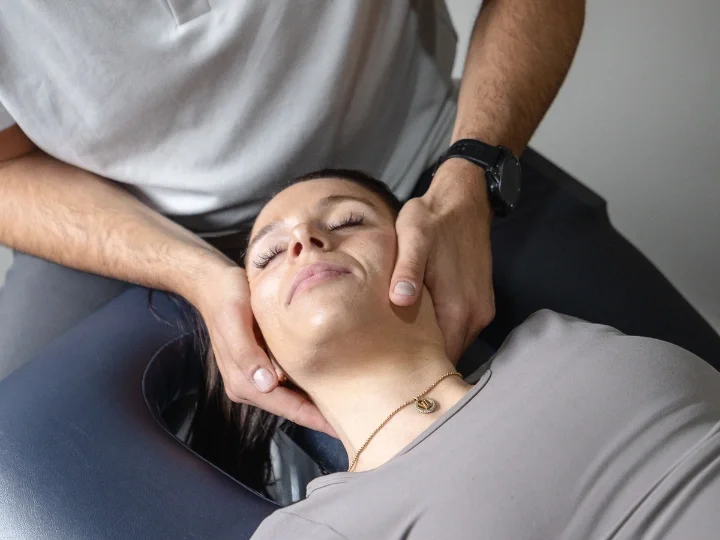
Common Symptoms of Cervicogenic Dizziness
Cervicogenic dizziness often presents with a unique mix of neck and balance-related symptoms. Many people searching for an upper cervical chiropractor for vertigo describe sudden spinning sensations or mild lightheadedness, especially with head movement.
Common symptoms include:
Dizziness or spinning triggered by neck movement
Unsteadiness while walking
Neck stiffness, tension headaches, or shoulder tightness
Nausea or ringing in the ears (tinnitus)
Visual blurring or difficulty focusing
Persistent fatigue and reduced coordination
Many individuals explore care through a cervical spine chiropractor or combined approaches such as osteopathy therapy and rehabilitation programs in Melbourne to improve spinal alignment, reduce nerve irritation, and restore healthy movement patterns. For ongoing symptoms, an upper cervical chiropractor for vertigo helps address the structural root cause to support long-term balance and stability.
How Upper Cervical Chiropractic Care Helps Vertigo
1. Gentle Techniques Like Atlas Orthogonal
The Atlas Orthogonal technique is a precise, low-force approach using instruments rather than manual twisting or cracking. It helps guide the atlas vertebra back into position, reducing nerve stress and improving brainstem communication.
2. Personalised Adjustments and Care
Treatment includes:
Postural and neurological assessments
Imaging or digital scans of the upper cervical spine
Targeted, low-force adjustments to C1 and C2
Progress is usually seen within 4–8 sessions, with clinical outcomes showing a 60–85% improvement in cervicogenic dizziness when combined with posture correction and rehabilitation.
Before attending, patients can refer to How to Prepare for Your First Manual Therapy Session for guidance on what to expect.
Prevention Tips for Reducing Vertigo
Improve Posture: Sit with a neutral spine, keep screens at eye level, and avoid forward head posture. Regular posture checks support spinal alignment and reduce vertigo triggers.
Strengthen Neck and Upper Back Muscles: Gentle stretches and exercises for deep neck flexors and upper back muscles maintain stability in C1 and C2, preventing future misalignment.
Ergonomic Workspace: Ensure chairs provide lumbar support, keep frequently used items within reach, and take regular movement breaks. Ergonomic setups reinforce the benefits of vertigo chiropractic care.
Regular Spinal Maintenance: Ongoing check-ups with an upper cervical chiropractor for vertigo help prevent minor misalignments from becoming chronic dizziness issues.
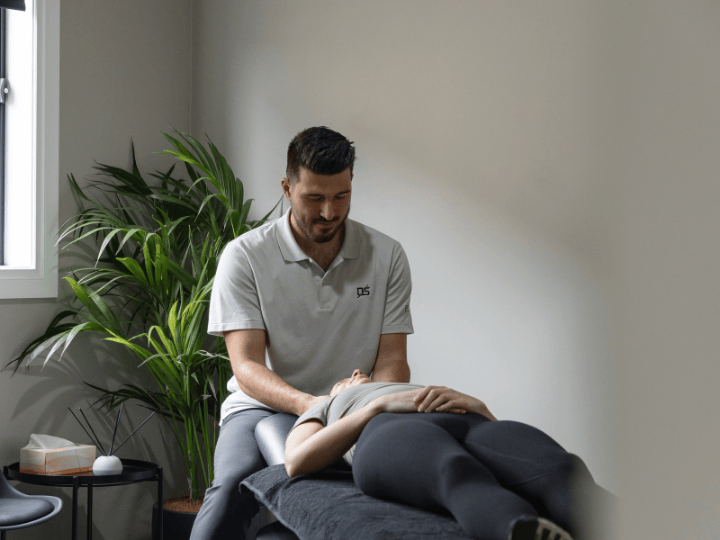
When to Consider Professional Help at Optimal State
If you experience any of the following especially in combination, it may be a strong indicator to seek care at Optimal State:
Dizziness or vertigo triggered by head or neck movement (e.g. turning, looking up/down, posture changes).
Frequent loss of balance, unsteadiness or a sense of being off‑kilter while walking or standing.
Persistent neck pain, stiffness, headaches, or tightness especially if accompanied by balance issues or visual disturbances.
Recurring symptoms of dizziness or imbalance even without obvious inner‑ear problems (e.g. no ear ringing or hearing loss).
Seek immediate professional assessment if dizziness or vertigo is accompanied by:
Severe or worsening headaches
Visual disturbances (e.g. double vision, blurred vision)
Numbness, tingling, or weakness in your arms or legs
Sudden onset of symptoms or vestibular symptoms after a fall/trauma
Why Optimal State is a Good Fit for Neck‑Related Dizziness or Balance Issues
Optimal State offers chiropractic and osteopathy services focused on spinal alignment, joint function and structural balance, which are relevant if symptoms stem from neck misalignment or musculoskeletal dysfunction.
Our osteopathy service includes postural and movement analysis, spinal adjustments, soft‑tissue work, and rehabilitation programs, all helpful in addressing underlying neck dysfunction.
For someone with suspected cervicogenic dizziness or upper‑cervical misalignment, Optimal State’s combined approach (chiropractic + osteopathy + rehab) offers a comprehensive pathway: not just symptom relief, but correction of structural issues and long‑term stability.
For those curious about real experiences, check out What Our Clients Say: Real Stories from Patients at Optimal State to see how people have regained balance and confidence.
If dizziness or balance problems are affecting your daily life, book a consultation with Optimal State today. Early assessment helps restore stability and prevent further discomfort.